
International Organizations Demand UN Intervention in Western Sahara
On August 25, 2026, the Principality of Andorra witnessed a renewed appeal from human rights and political organizations across Europe and Australia, urging the United Nations to take decisive action to uphold international law in Western Sahara. This call to action emphasizes the necessity for the Sahrawi people to be granted their inalienable right to self-determination and independence, amidst growing concerns regarding the Moroccan occupation's attempts to impose a fabricated colonial reality on the region.
The European association known as "We Cross Borders for the Freedom of Western Sahara" issued a compelling statement highlighting the urgent need for enforcing international law in the territories occupied by Morocco. The organization warned of the dire repercussions that could arise from ignoring the ongoing human rights violations occurring within these areas. They underscored that the Sahrawi question is fundamentally an unresolved decolonization issue, a sentiment echoed and reaffirmed by numerous United Nations resolutions and declarations.
Continued Struggle for Self-Determination
In a parallel effort, the Italian organization "Marx 21" has called for the immediate organization of a self-determination referendum, a commitment made by both the Polisario Front and the Kingdom of Morocco under United Nations auspices back in 1991. Their recent article, titled "Western Sahara, Africa’s Last Colony," pointed out that the territory has remained listed as a Non-Self-Governing Territory by the United Nations since 1963, marking it as the last colonial issue on the African continent's decolonization agenda. They firmly stated that any unilateral claims supporting Morocco's supposed sovereignty over Western Sahara would not alter the territory’s recognized international legal status. The situation in Western Sahara stands as a striking paradox in post-colonial African history, where the region transitions from European colonial rule to regional dominance by a neighboring state.
The Italian association further warned that the Moroccan occupation's tactics go beyond mere military control, extending into settlement policies, political maneuvers, and the systematic exploitation of natural resources. There is also a troubling pattern of repression targeting activists and advocates for Sahrawi independence, reflecting a broader pattern of human rights abuses.
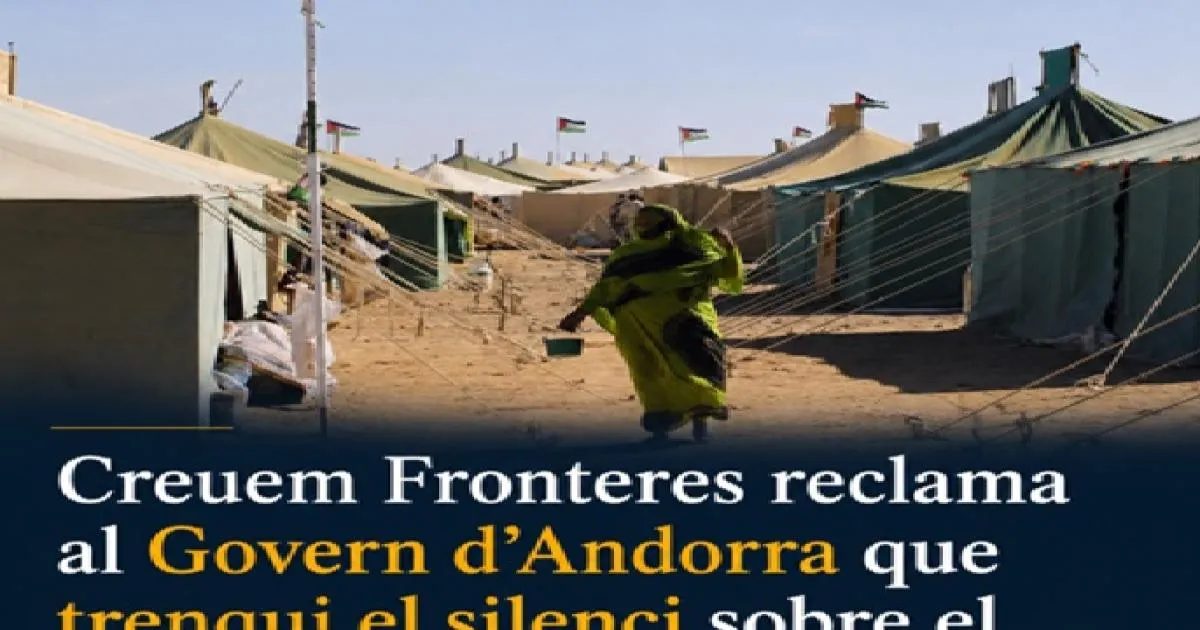
In addition, the Australian Solidarity Association for Western Sahara has reiterated its unwavering support for the Sahrawi people's struggle for freedom, urging the international community to respect its commitments and responsibilities regarding this pressing issue. This call to action was made during a seminar organized by the Australian coalition, which aimed to highlight Moroccan violations and the attempts to undermine legitimate rights. The event featured photojournalist Elise Le-Taylor, who recounted her experiences visiting the Sahrawi refugee camps, illustrating the harsh humanitarian realities and the daily resilience demonstrated by the Sahrawi people.
As reported by spsrasd.info.