Rabat's Cultural Evolution: A Vision for the Future
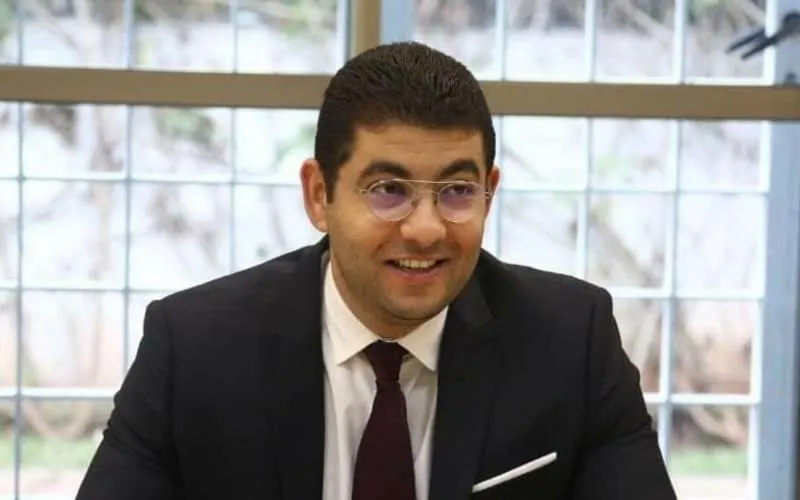
The capital of Morocco, Rabat, is on a transformative journey aimed at establishing itself as a leading cultural hub on both regional and international stages. This ambitious vision is articulated by Mehdi Bensaïd, the Minister of Culture, Youth, and Communication, who emphasizes the importance of a comprehensive strategy that encompasses modernization, education in the arts, and democratization of cultural access. Bensaïd asserts that Rabat must not merely be seen as a museum city, but rather as a vibrant center for artistic expression and cultural engagement.
Recent infrastructural investments have positioned Rabat as a recognized cultural capital, thanks to the royal vision that has guided its development. Notable projects include the Grand Theatre, upcoming museums dedicated to archaeology and African art, as well as facilities for contemporary art and photography. These establishments are equipped with state-of-the-art technology capable of hosting international performances, thus enhancing the city’s appeal to both locals and foreign visitors alike. Bensaïd’s commitment to a long-term, strategic approach aims to foster Rabat’s cultural richness and elevate its status on a continental scale.
Strategic Developments and Cultural Investment
One of the key aspects of this cultural renaissance is the establishment of essential educational institutions, such as the National Higher Institute of Music and Choreographic Art (INSMAC), which aims to cultivate the next generation of artists and performers. Additionally, the National Institute of Archaeology and Heritage (INSAP) is set to become a leading institution in archaeological research, further contributing to the cultural landscape of Rabat. Bensaïd highlights the critical role of cultural industries in generating employment opportunities for the youth, positioning this sector as a pivotal force for economic growth and social inclusion.
The recent inauguration of the Mohammed VI Tower is another significant step in this transformative journey. This luxury hotel infrastructure is expected to enhance cultural tourism in Rabat, changing perceptions of the city as it evolves into a modern metropolis. The minister emphasizes that the royal vision is already yielding positive results, particularly in job creation and opportunities for cultural practitioners.
The Grand Theatre, in particular, symbolizes a new era for Rabat's cultural life, offering a venue for high-caliber performances that were previously inaccessible to local audiences. Bensaïd reassures that efforts are being made to ensure that this facility does not cater solely to elite audiences but remains inclusive, thus enriching the cultural fabric of the city.
In conclusion, Rabat is not merely on a path to becoming a cultural capital but is actively shaping a dynamic ecosystem that integrates various cultural sectors, attracting investors and fostering a diverse range of artistic expressions. The city’s commitment to innovation in the cultural sphere ensures that it will not stagnate as a historical site but will thrive as a modern hub of creativity and engagement.
As reported by medias24.com.