Exploring Literary Heritage and Cultural Exchange at SIEL 2026
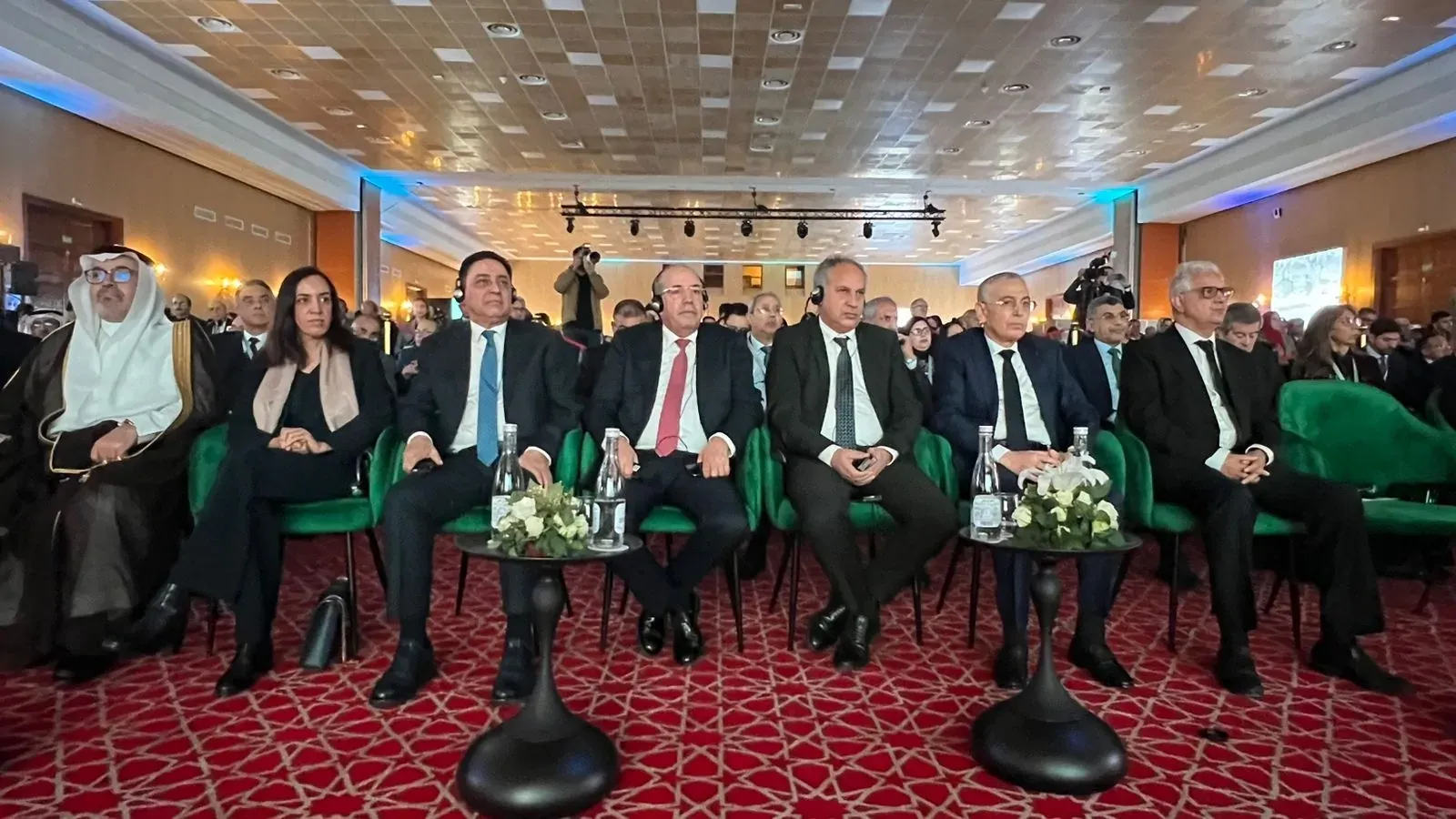
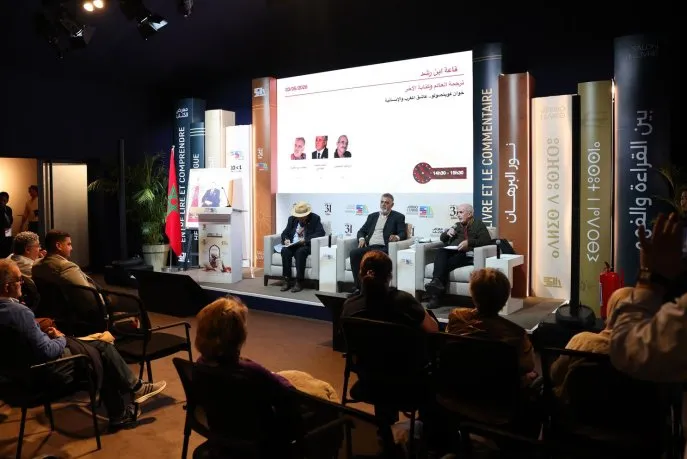
The International Salon of Publishing and Book (SIEL) in Rabat is dedicated to showcasing the vibrancy of literary creation, international cultural relations, and the interplay between contemporary arts and heritage. This year's event highlights a range of activities, from the presentation of new literary works to scholarly discussions on music and history, alongside a tribute to the Spanish writer Juan Goytisolo. These discussions reflect the diverse intellectual and artistic approaches that converge around literature and culture.
Among the notable presentations was that of Kebir Mustapha Ammi, who introduced two recent works: the novel "Le Coiffeur aux mains rouges" and a poetry collection titled "Chants pour l’Afrique et les continents qui n’ont pas peur." The former delves into events related to the Algerian War, using a narrative style that combines storytelling with analytical depth to explore memory and historical tensions. The latter offers a poetic perspective on Africa, drawing on the author’s personal experiences traveling across the continent, addressing themes of brotherhood, coexistence, and future possibilities.
Ammi emphasizes his view of writing as a cumulative process, where each text contributes to a broader narrative. His work intertwines emotional depth with historical inquiry, aiming to bridge literary sensitivity with historical questioning.
Franco-Moroccan Relations and Artistic Interactions
The SIEL also served as a platform for discussing Franco-Moroccan relations, featuring presentations by writer and lawyer Hubert Seillan. He highlighted two key publications: the second volume of "Communauté de destins" and "Lyautey et Moulay Youssef, l’épopée d’une amitié." The first book compiles contributions from various authors, presenting a multifaceted view of the historical, cultural, and human connections between Morocco and France. In contrast, the second book offers a narrative reexamination of the friendship between Sultan Moulay Youssef and Marshal Lyautey, shedding light on a significant period in their shared history.
Discussions during the event underscored the role of these works in conveying history to younger generations, serving as tools for reflecting on historical dynamics and fostering dialogue between societies. Participants also engaged in a dialogue about the intersection of poetry and contemporary arts, exploring how poetry interacts with visual arts, music, theater, and video. The modern poetic landscape is increasingly characterized by hybridity and cross-disciplinary collaboration, allowing for the emergence of new artistic forms.
The SIEL's emphasis on Moroccan musical heritage was evident in a colloquium that brought together international researchers to discuss the diversity of musical traditions and approaches to studying and promoting them. The importance of a multidisciplinary perspective—drawing from history, anthropology, and ethnomusicology—was highlighted as essential for understanding musical practices and their social context.
Furthermore, discussions centered on the necessity of conserving and digitizing musical archives, with calls for initiatives to catalog and preserve existing manuscripts while facilitating access for researchers. The colloquium also addressed how theoretical frameworks should be adapted to local realities, advocating against the indiscriminate application of European models to Moroccan practices.
Finally, the event paid homage to Juan Goytisolo, celebrating his commitment to intercultural dialogue and his significant contributions to recognizing Morocco’s intangible heritage. His works exemplify the connections between cultures and underscore the importance of pluralism while challenging Eurocentric narratives. Additionally, a session focused on Rabat's historical evolution, highlighting its role as a cultural convergence space and its designation as the 2026 World Book Capital, underscoring its dedication to promoting culture and literature.
The 31st edition of SIEL affirms its role as a vital space for reflection and exchange, where literary, artistic, and academic perspectives intersect, illustrating the rich cultural dynamics at play and the pivotal role of books as vehicles for dialogue and knowledge transmission.
As reported by quid.ma.