

Urban Transformation Ahead of World Cup 2030
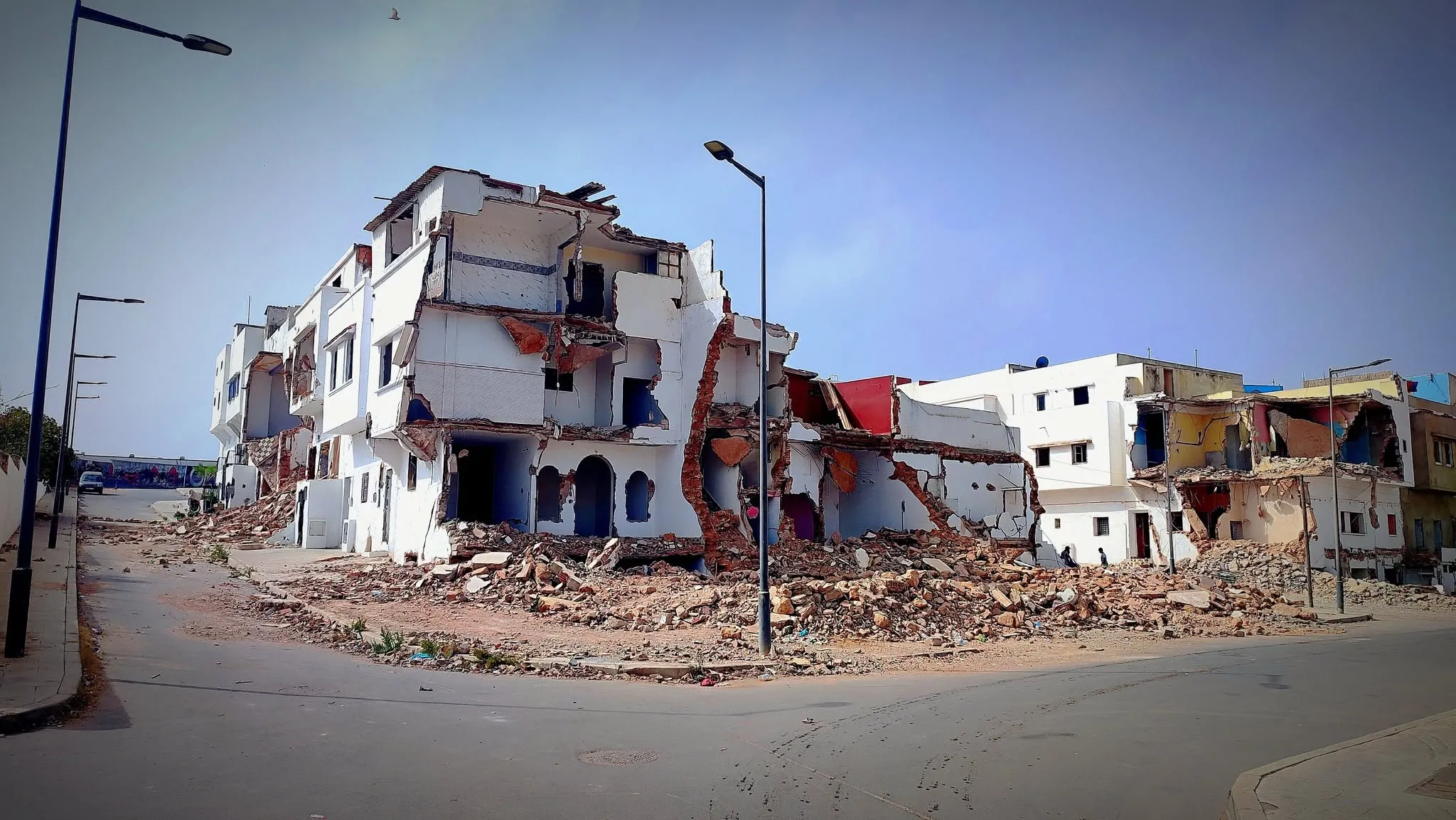
Morocco is gearing up for the 2030 FIFA World Cup with an extensive urban development initiative that goes beyond just building stadiums, hotels, and upgrading roads. This ambitious plan includes the demolition or rehabilitation of major residential neighborhoods in key cities such as Rabat, Casablanca, and Marrakech. As the country prepares to host this prestigious sporting event, the landscapes of several Moroccan cities are undergoing significant transformations. The rapid pace of renovations and infrastructure upgrades is aimed at not only enhancing the experience for visitors but also addressing longstanding issues related to inadequate housing and urban spaces.
In Casablanca, substantial demolition activities have targeted parts of the historical old city, particularly under the "Mohaj Royal" project, which connects the city center to the area around the famous Hassan II Mosque. Areas such as Derb Mouha, Derb Boutouil, Derb El Ingliz, and Derb Ramad have been affected. While local residents and activists argue that these demolition and redevelopment efforts are primarily aimed at preparing for the World Cup, local officials maintain that the project is longstanding, with the World Cup merely accelerating its implementation.
In Rabat, the old and historic neighborhood of Al-Muhit has witnessed major demolition efforts aimed at facilitating massive urban changes intended to enhance the capital's image and attractiveness ahead of the World Cup. Similarly, Marrakech has seen significant demolition and redevelopment in neighborhoods like Youssef Ben Tachfine, known as "Bain Lakchali," along with other areas, leading to the relocation of residents to alternate spaces.
Social Costs and Community Impact
These transformations raise critical questions regarding the social costs associated with such extensive urban changes, especially for families that are being forced to leave their long-term homes and relocate to new neighborhoods. According to Mohamed Majdolin, a researcher in social economics, the hidden social costs of preparing for the 2030 World Cup are significant, as many families suddenly find themselves at the center of demolition decisions that alter the fabric of their lives.
Majdolin highlights that the social costs are not merely about the physical loss of homes, even when financial compensation is provided. The emotional and social repercussions include the loss of long-established relationships with neighbors and relatives and the disruption of daily life routines. For many families, particularly homeowners, the transition to unfamiliar areas involves more than just a change of address; it represents a dislocation from their roots and a complete upheaval of their lifestyles.
Furthermore, the daily commuting costs associated with relocating to more distant neighborhoods can add financial burdens and complicate family dynamics. Small business owners, for instance, risk losing their established clientele as they move their operations to new locations.
Despite these challenges, some urban observers argue that the initiatives related to the 2030 World Cup could present an opportunity for Morocco to accelerate its urban modernization, provided that social considerations are integrated into the planning process. Social researcher Karim Ayach notes that the preparations for the World Cup could serve as a historical opportunity to bring about urban transformation in Morocco, potentially leading to more modern, balanced, and sustainable urban models.
Ayach emphasizes the need for transparency in communication with affected residents and their involvement in decisions regarding their future. He advocates for fair compensation and suitable housing alternatives before any relocations take place, stressing the importance of maintaining social ties and proximity to essential services such as schools and healthcare facilities. Ultimately, the changes spurred by the World Cup could lead to a more organized, inclusive, and appealing urban environment, enhancing the quality of life for Moroccan citizens in the long run.
As reported by independentarabia.com.
