
The Evolving Landscape of the 2030 World Cup Final
For months, a significant portion of Spain held a firm belief that the 2030 World Cup final would certainly take place at the iconic Santiago Bernabéu Stadium. Madrid seemed to tick all the boxes for a successful bid: it is a European capital, boasts a legendary stadium, is home to a world champion national team, and possesses a notable historical significance in international football. The discourse surrounding the event appeared to be settled even before it had truly begun, leaving little room for doubt among its proponents.
However, the dynamics shifted dramatically with Morocco entering the fray not merely as a co-host of the World Cup, but as a credible contender to host the final. This shift in status has sparked a noticeable change in tone among certain Spanish media outlets. Over recent weeks, a slew of articles has emerged suggesting that Morocco is being favored in this competition. Allegations of a clandestine "Moroccan lobby" allegedly influencing decisions have surfaced, with some commentators going so far as to claim that FIFA is inclined to reward the Kingdom for geopolitical reasons rather than sporting merit. The recurring narrative is clear: if Casablanca secures the final, it will not be due to the strength of its bid.
This media strategy is not without its motives. When a candidate is genuinely inferior, there is no need for a campaign to undermine their credibility; the facts generally speak for themselves. The fervor with which a segment of the Spanish press has been working to discredit the Moroccan proposal suggests an underlying awareness that it has evolved into a formidable contender, one that poses a genuine threat to Spain's aspirations.
Strengths of Morocco's Bid Compared to Spain's Fragmentation
Beyond the rhetoric, there exists a much more tangible reality. Morocco currently presents a cohesive, clear, and centralized project. Key infrastructures have been identified, investments are actively being made, and crucially, the entire organization is guided by a singular entity: the Morocco 2030 Foundation. This unified governance structure is arguably one of Morocco's greatest strengths, as FIFA typically favors candidates with streamlined decision-making processes and effective coordination.
In contrast, Spain's bid appears disjointed and cumbersome. It involves negotiations with the central government, autonomous communities, municipalities, the Spanish Football Federation, stadium-operating companies, and various private clubs that own their venues. Each entity has its own interests, constraints, and timelines, complicating the overall proposal. FIFA’s evaluation report previously highlighted this complexity, noting that while Spanish infrastructures received commendations, several agreements regarding stadiums had been signed late or included special exemptions. Consequently, the legal risk associated with the Spanish bid was classified at a "medium" level due to incomplete contractual agreements at the time of assessment.
Moreover, challenges have only escalated since that evaluation. Two cities, Málaga and La Corogne, have withdrawn from the project, while Vigo continues to demand its inclusion and threatens legal action. The selection of host cities remains a contentious issue, with political figures criticizing the lack of transparency regarding selection criteria.
Compounding these difficulties is a Spanish Football Federation still grappling with the fallout from the Rubiales affairs and Brody operation. While these controversies do not outright prevent the organization of the World Cup, they contribute to an institutional instability that is particularly unwelcome as the event approaches.
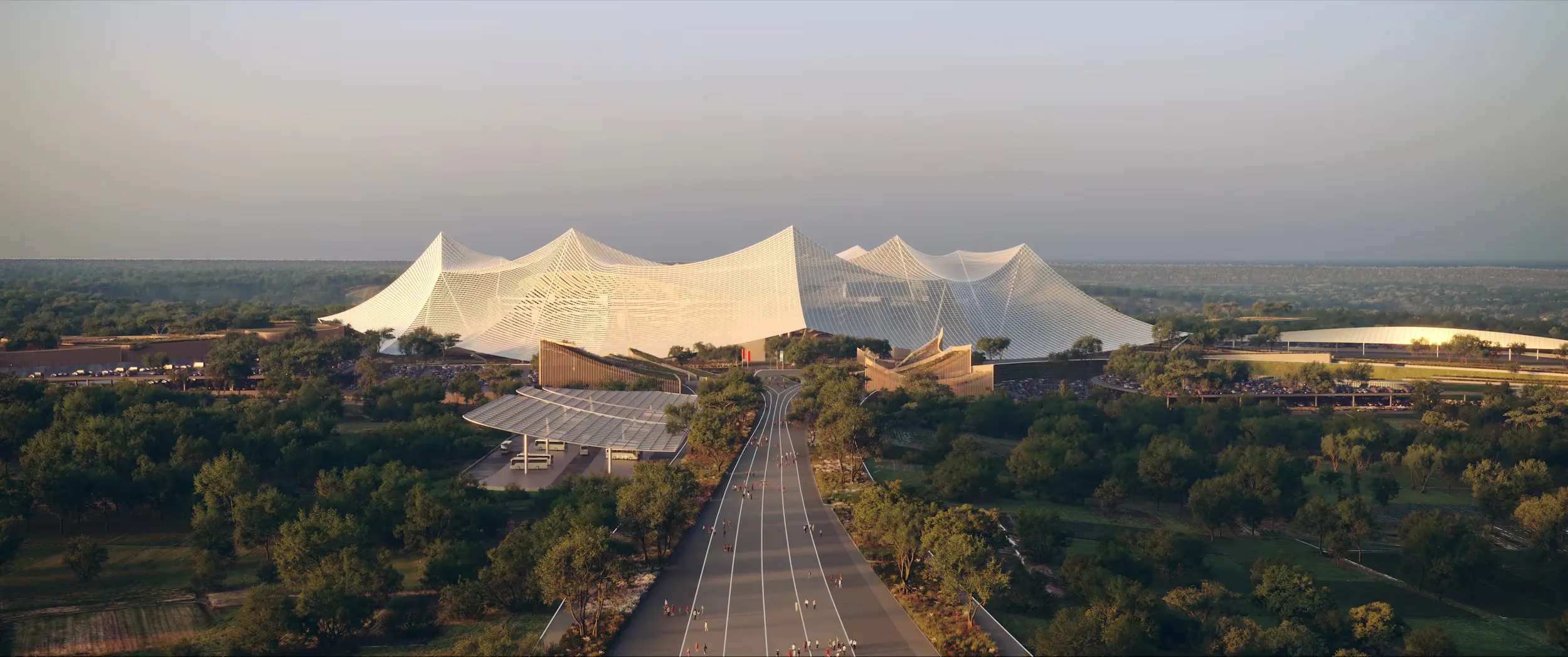
The contrast with Morocco is stark. The Kingdom is progressing along a clearly defined roadmap, with ongoing construction of stadiums and transportation infrastructures adhering to their schedule. Investments are strategically aligned with a vision that extends far beyond the World Cup alone. Additionally, the Grand Stade Hassan II, projected to hold 115,000 spectators, stands as a significant asset in the bid for the final.
However, it is critical to note that a large stadium alone will not sway FIFA's decision. The selection of the final venue will not be based solely on seating capacity or architectural design. FIFA will evaluate the entire package: governmental guarantees, security measures, mobility, commercial viability, operational organization, construction timelines, and the capability to deliver an event without unforeseen challenges. It is on these fronts that Morocco has significantly strengthened its position since being awarded the World Cup.
What is striking now is the emotional charge surrounding the Spanish debate, which at times seems more driven by sentiment than by facts. The victory of the Spanish national team is often cited as a reason to favor the Bernabéu. Yet, no FIFA regulations stipulate that a world champion nation is granted any advantage in the selection of the final. Similarly, the proliferation of editorials condemning a supposed "Moroccan lobby" does not alter either the evaluation criteria or the on-ground realities.
Ultimately, this media battle underscores a deeper concern. For a long time, Morocco was viewed merely as the African partner in this tripartite bid. Now, it is regarded as a serious contender capable of hosting the tournament's grand finale—a significant shift in perception.
With several months remaining before FIFA makes its final decision, the outcome remains uncertain. Madrid still possesses compelling arguments, as does Barcelona. However, one thing is now clear: the intense efforts to undermine Morocco's bid image suggest that it has evolved from a mere possibility into a legitimate contender, and that realization is unsettling for a segment of Spain.
As reported by sport.le360.ma.