The Smara Incident: A Clash of Narratives
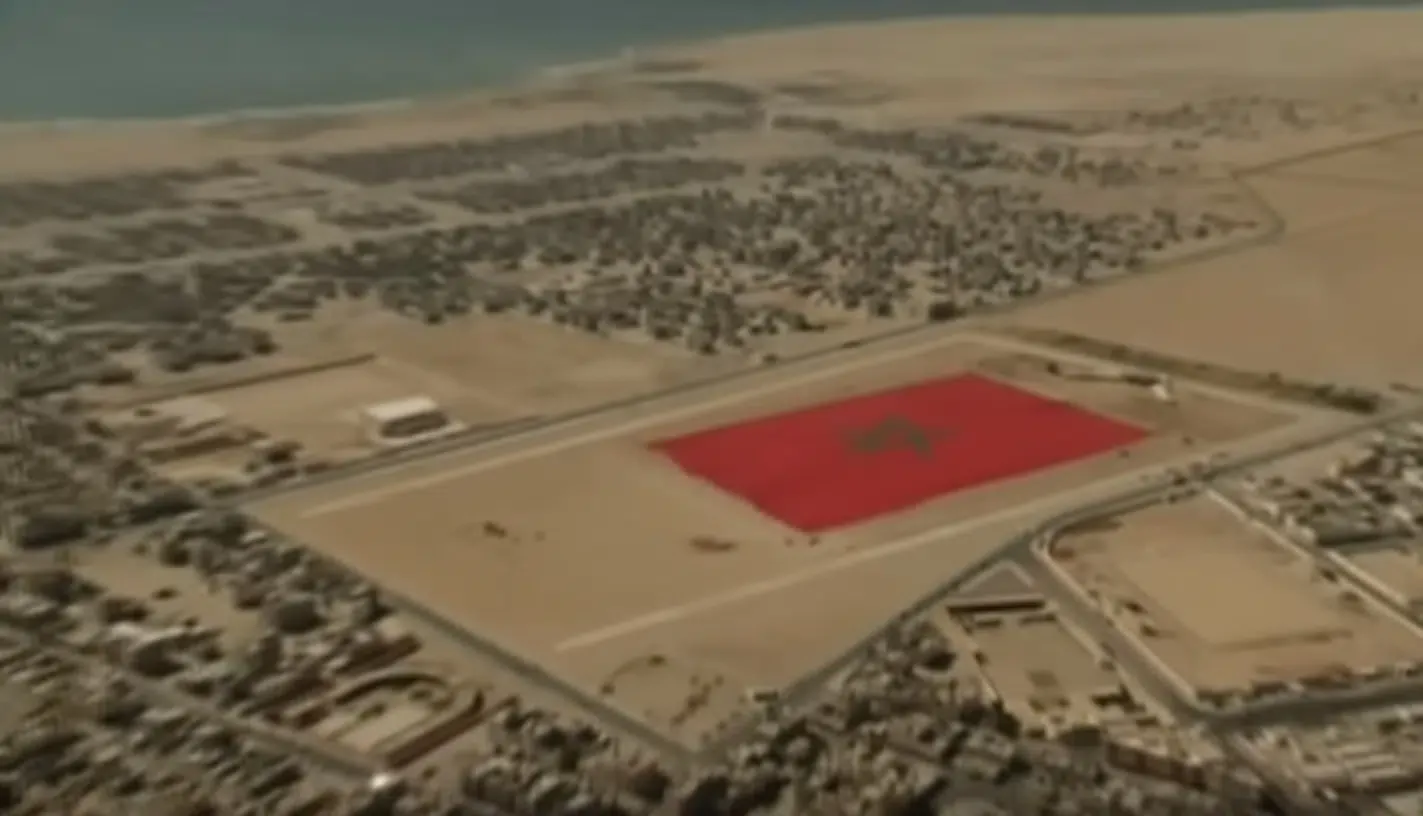
On May 5, 2026, the city of Smara, a pivotal urban center in Western Sahara and one of Morocco's southern provinces, became the target of a missile attack involving three projectiles. According to local security authorities, the projectiles struck areas near the local prison and behind the city cemetery. While there were no significant material damages reported, local sources indicated that a civilian woman was injured and required medical attention at a nearby hospital. In response to the detonations, Moroccan special forces promptly initiated investigations to secure debris from the projectiles and ascertain their ballistic origins.
In an official statement, the Polisario Front attempted to portray the incident as a significant military achievement. The Ministry of Defense of the self-proclaimed Sahrawi Arab Democratic Republic (SADR) claimed that units of the Sahrawi People's Liberation Army (SPLA) had targeted "rear bases of the occupying forces," inflicting "substantial losses" on Moroccan troops. However, this narrative stands in stark contrast to the observations made by independent actors. Experts from the UN mission MINURSO, who inspected the impact sites, noted an irregular impact pattern in civilian peripheral areas, indicating that no military infrastructure was hit. Observers interpret this discrepancy between propaganda and reality as an attempt by the Front to bolster morale in the Tindouf camps amidst increasing diplomatic isolation.
Strategic Timing and Diplomatic Implications
The timing of the missile attack is highly significant from a strategic perspective. The incident coincided with the ongoing "African Lion" military exercises, which is the largest annual maneuver conducted by the US Africa Command (AFRICOM) on the continent. The Polisario Front's decision to demonstrate military activity during the presence of US troops is viewed in expert circles as a risky attempt to draw international attention to their cause.
Simultaneously, diplomatic support for Morocco's autonomy plan, which is primarily advocated by the United States as the only viable solution, is solidifying. In this context, a Sahrawi association of autonomy supporters strongly condemned the missile attack, accusing the Algerian regime of fostering extremism in the region through continued support for militias and deliberately sabotaging the UN-mediated "Round Table" process. This return to the "language of arms" underscores the dilemma faced by the Polisario: as the international community increasingly gravitates towards a political solution under Moroccan sovereignty, the threshold for asymmetric attacks seems to diminish, aimed at preventing the permanent consolidation of Moroccan administration in Western Sahara.
As reported by maghreb-post.de.