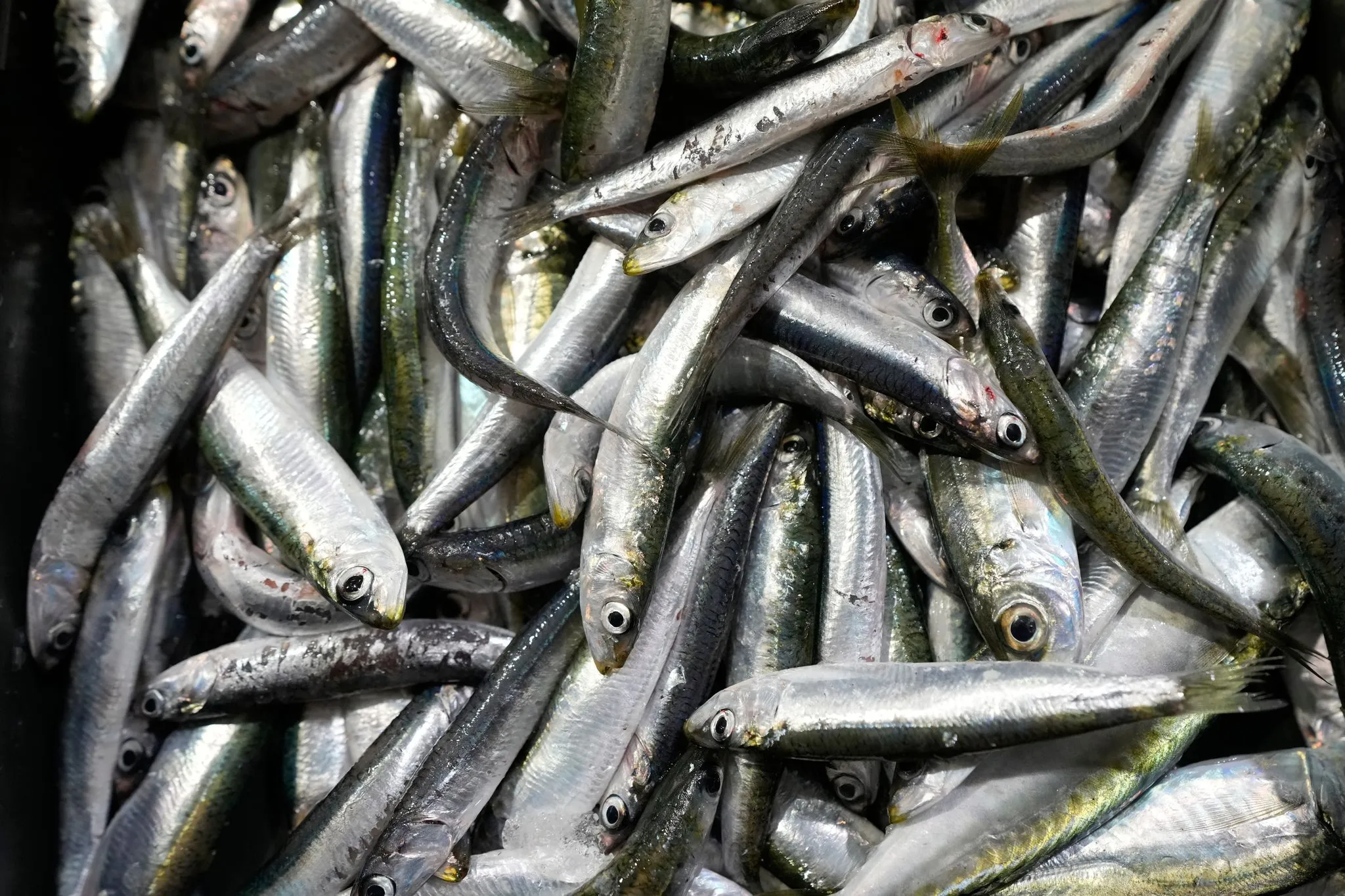

Current Sardine Shortages in European Supermarkets
Consumers looking to purchase sardines may find themselves facing unexpected challenges as numerous supermarkets and discount stores across Europe report significant shortages. As highlighted by a recent survey conducted by the German Press Agency among various retailers, the availability of sardines has become increasingly limited. Notably, Aldi Nord has acknowledged that certain products may be temporarily unavailable, citing "challenging conditions in fishing" as a contributing factor to the restricted supply. Similarly, the supermarket chain Rewe has described the situation as a "tightly constrained raw material environment" affecting both private label and brand-name products. Other retailers, including Lidl and Kaufland, have also confirmed sporadic shortages, and the grocery delivery service Picnic has reported being impacted as well. A comprehensive report by 'Die Welt' previously addressed the same concerns.
Decline in Sardine Catches and Future Outlook
The primary cause behind the current scarcity of sardines can be traced back to declining fish stocks, particularly affecting the crucial sardine fishing industry off the coasts of Morocco and Western Sahara. According to Stefan Meyer, managing director of the Fish Information Centre in Hamburg, the fishing yields have plummeted over the years. In 2022, the Moroccan fishing authority reported landings of 965,000 tons, but this figure is expected to drop to just 525,000 tons by 2024. The situation has not improved in the past year due to various factors, including the repercussions of climate change, altered marine conditions, and excessive fishing pressure. In response, the Moroccan government has implemented stricter management measures. Furthermore, since February 2026, exports of frozen sardines have been significantly restricted or suspended to ensure adequate supply for the domestic market. This scenario is particularly critical for European processors, as Morocco has historically been the largest supplier of sardines. Unfortunately, experts do not foresee a quick recovery of fish stocks in the North-West African region.
Interestingly, the Northeast Atlantic, particularly off the coasts of Spain and Portugal, is home to the "true sardine" (Sardina pilchardus), whose populations have shown signs of recovery in recent years. However, the catch volumes from this region remain insufficient to fill the raw material gap created by the decline in Moroccan stocks. Consequently, experts like Meyer predict a potential increase in prices for sardines as manufacturers are increasingly turning to sardine-like fish species, which are primarily found in the Indian Ocean, the western Pacific, and tropical Atlantic waters. The outlook for the sardine market suggests that consumers should brace for continuing challenges in availability and rising prices in the near future.
As reported by handelsblatt.com.