From Despair to Hope: Fatima's Journey
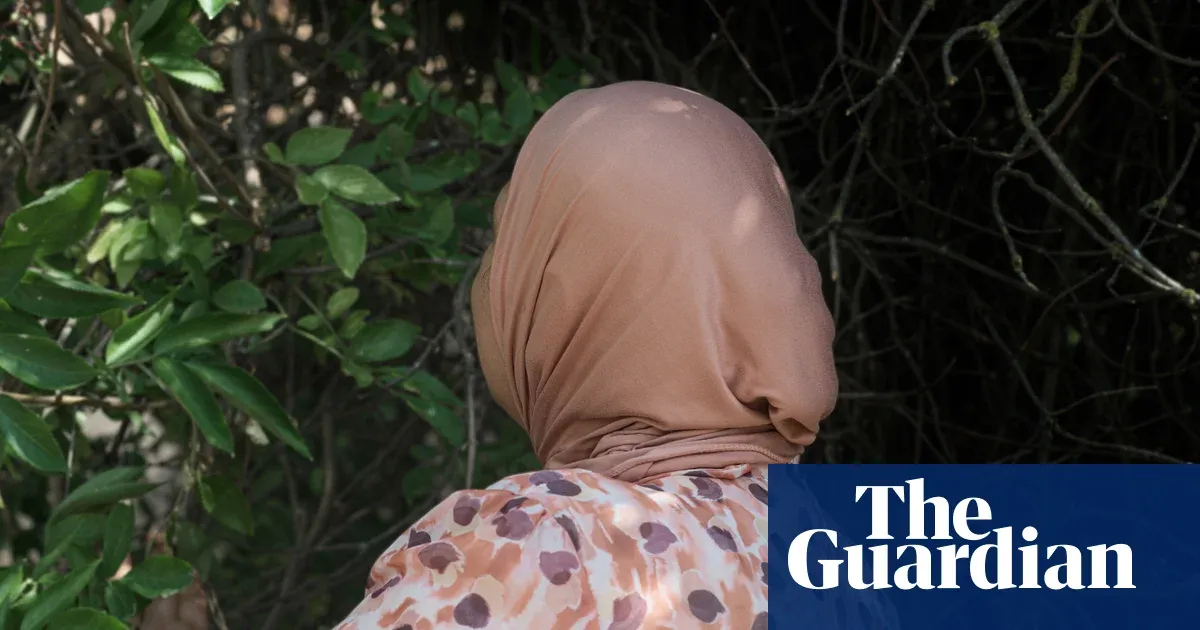
In the picturesque landscapes of Castile and León, a region in northwestern Spain, the harrowing tale of Fatima* unfolds—a narrative that sheds light on the dark underbelly of modern slavery and human trafficking. Fatima’s day began before dawn, at 2 AM, and often extended into the late hours of the night. The relentless cycle of labor involved everything from tending to crops and herding sheep to cleaning chicken coops, culminating in grueling workdays that lasted up to 19 hours, seven days a week. A Moroccan national, Fatima reflects on her past with a heavy heart, stating, "If I were still there, I would have probably killed myself. When I start thinking about it, I get anxious. Why did I put up with all of that?" Her journey began when she left Morocco for Spain to support her family, driven by her husband's hope for financial aid as she embarked on her third stint as a seasonal worker.
The Nightmare of Exploitation
Initially, Fatima's plans to work in strawberry fields were thwarted by the onset of the coronavirus pandemic, which led to the cancellation of her work visa. Opting to remain in Spain, she sought out any unofficial jobs available, such as childcare and sewing, but her vulnerability persisted. With limited communication skills—speaking little Spanish and being illiterate in her native Berber—Fatima found herself isolated and at the mercy of those who exploited her labor. A brother initially offered some assistance, but soon the risks of harboring an undocumented worker forced him to distance himself. It was then that Fatima's life turned into a nightmare upon discovering a farm in Castile and León that was willing to take her in. While initially treated well, the deterioration of her situation became apparent as she received no contract and was paid far below the legal minimum wage. As time went on, her compensation ceased altogether, leaving her trapped in a cycle of abuse and exploitation.
Fatima’s plight worsened significantly when her fellow worker left after obtaining residency papers. Left to fend for herself, she faced increasing pressure from the family—both verbal and physical abuse—culminating in horrifying incidents such as being run over by a tractor. Living in a dilapidated shack without heating, access to water, or proper sanitation, Fatima’s conditions were deplorable. Despite the adversity she faced, she clung to the hope of eventually gaining residency and returning home to her family, which fueled her determination to survive each day.
Fatima’s ordeal lasted nearly two years before authorities intervened, following a tip-off regarding her exploitation. The police discovered her living in appalling conditions, without electricity or basic sanitation. The moment she saw law enforcement at the farm, a wave of hope washed over her, marking the end of her suffering. Since her rescue, Fatima has begun to rebuild her life with the support of the Adoratrices, a Catholic organization dedicated to aiding women affected by human trafficking. They provided her with shelter, assistance in finding employment, and a pathway to reunite with her children.
Now, Fatima stands as a testament to resilience. She has the legal right to work in Spain and is filled with hope for justice as the legal proceedings against her abusers unfold. Fatima’s story is not just one of survival, but a beacon of hope for others in similar situations. "I’m super proud to have endured that. Now I’m happy and eager to start a new life and bring my family here to be with me," she declares, embodying the spirit of perseverance in the face of adversity.
As reported by theguardian.com.