The Escalating Situation in Ceuta
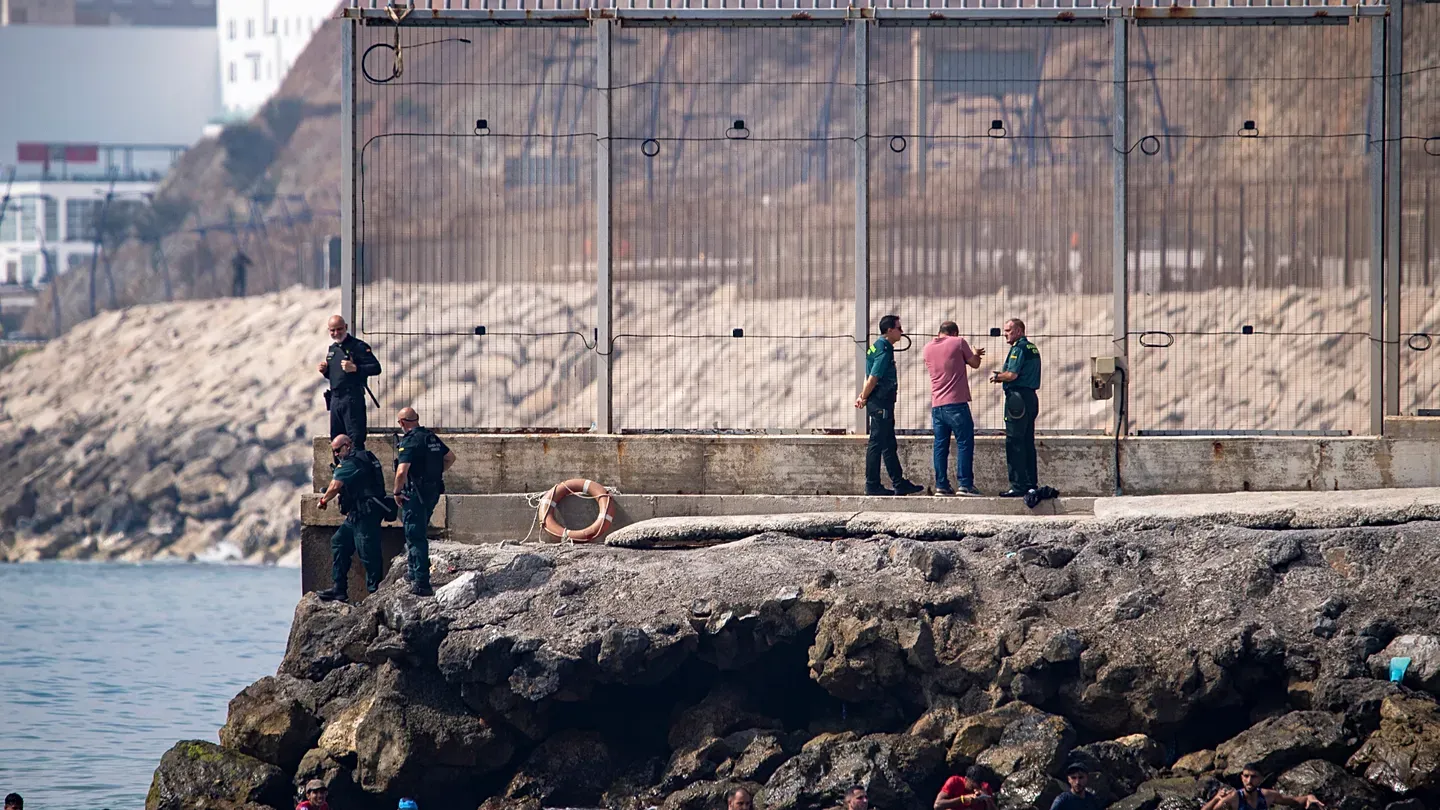
In the autonomous Spanish city of Ceuta, located along the African coast, the scenes of desperation are repeating themselves as groups of individuals make perilous attempts to reach the shores of Tarajal, either swimming or using makeshift flotation devices. These attempts are closely monitored by the Guardia Civil, whose personnel often find themselves overwhelmed by the sheer number of arrivals. A particularly alarming incident involved a gate near the border opening, allowing dozens of individuals to rush into the city.
The aftermath leaves traces in the sand: flippers, inflatable rings, and neoprene suits, predominantly left behind by young men. However, among the recent arrivals, there are also women and minors, highlighting the diverse demographics of those seeking refuge. According to Ceuta's president, Juan Jesús Vivas, the region has witnessed about 300 arrivals per day via maritime routes, a number he warns is on the rise. Tragically, in the last year alone, over 60 individuals have lost their lives in attempts to make this dangerous crossing.
Challenges and Responses
Local authorities are increasingly alarmed as visible lapses in control have occurred. After nearly 2,000 people arrived in a single week, several hundred managed to escape the grasp of the Guardia Civil at Tarajal by making their way into the city. This breach occurred in an area adjacent to the breakwater, where initial processing protocols are supposed to take place. Sources indicate that insufficient personnel are available to manage such a large influx effectively, which exacerbates the challenges faced by local law enforcement.
In light of the ongoing crisis, President Vivas has urged the Spanish government to declare a national state of emergency, seeking exclusive control over crisis management in Ceuta. He has called for additional resources and funding to address what he terms a collapse of local services. However, the Interior Ministry has rejected this request, stating that the national civil protection system does not classify migration movements as a risk that warrants the activation of emergency mechanisms. Interior Minister Fernando Grande-Marlaska has announced plans to visit Ceuta to meet with local authorities and assess the situation firsthand.
The Ministry has pointed out that recent judicial rulings have allowed smuggling networks to exploit legal loopholes, leading to an increase in unregistered migrants, predominantly young individuals. Meanwhile, both the Moroccan and Spanish governments have confirmed an agreement to facilitate the return of migrants who recently crossed into Ceuta.
In a statement from the Moroccan embassy in Madrid, the mass border crossings are attributed to criminal organizations specializing in human trafficking and the illegal transport of migrants. They emphasized that the Moroccan authorities do not support these movements and characterized their collaboration with Spain on migration issues as exemplary. However, sources from the Guardia Civil in Ceuta suggest that the support from the Moroccan gendarmerie remains superficial and insufficient to alleviate the pressure at the border, despite official claims of active cooperation.
On Thursday, Spain and Morocco agreed to enhance their coordination and review procedures to expedite the repatriation of individuals who have entered Ceuta illegally. However, as of now, no concrete timeline has been established for the implementation of these measures.
As reported by de.euronews.com.