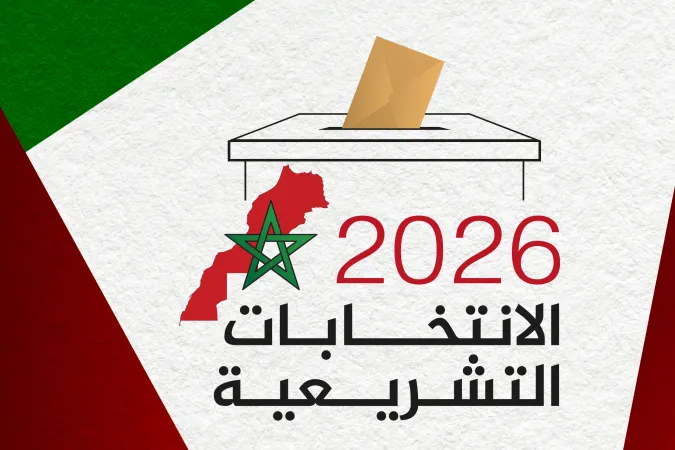

Significant Outcomes of the 2026 Moroccan Legislative Elections
On September 24, 2026, Minister of Interior Abdelouafi Laftit announced significant preliminary results regarding the legislative elections that took place the previous day. The Party of Authenticity and Modernity (PAM) emerged as the leading party, securing 97 seats, according to the latest vote counting and tallying process. During a press conference held at the Ministry of Interior, Laftit detailed the performance of various political parties involved in the elections. The National Rally of Independents (RNI) trailed in second place with 66 seats, followed by the Istiqlal Party, which gained 65 seats, and the Justice and Development Party, which obtained 54 seats.
Additionally, the People's Movement garnered 29 seats, while the Socialist Union of Popular Forces secured 26 seats. The Progress and Socialism Party managed to clinch 19 seats, and the Constitutional Union obtained 17 seats. Both the Democratic Social Movement and the Left Alliance acquired 8 seats each, with the Forces of Democratic Action and the Ennasr Party each winning 2 seats. Lastly, the New Democrats and the Unity and Democracy Party each received 1 seat.
Voter Turnout and Election Integrity
Laftit highlighted that voter turnout across the nation reached 38.08%, a notable decrease from previous elections, where 50.86% participated in 2021 and 42.27% in 2016. Approximately 6 million voters engaged in the electoral process on September 23. The turnout was particularly robust in the southern regions, with figures soaring to 77% in Laayoune-Sakia El Hamra, 53.48% in Guelmim-Oued Noun, and 61% in Dakhla-Oued Ed-Dahab, showcasing the commitment of citizens in these regions to their Moroccan identity and active participation in representative institutions.
The Minister also affirmed that the voting process unfolded smoothly nationwide, with only a few isolated incidents that did not disrupt the overall proceedings. This success was attributed to the extensive mobilization of various authorities, the dedication of polling station members, and the cooperation of party representatives and candidates, reflecting the responsibility and civic spirit of the voters.
In emphasizing the importance of this national event in Morocco's democratic and institutional development, Laftit noted that the elections were prepared within the framework of a series of legislative and organizational reforms aimed at enhancing the quality of the electoral process and promoting political integrity, transparency, and equal opportunities among competitors. These reforms also aimed to encourage the participation of women and youth, expanding their presence within the legislative body.
Furthermore, the Minister explained that public authorities ensured the necessary legal, judicial, and institutional guarantees for conducting the elections in a sound political climate, adhering strictly to the legal frameworks governing the electoral process.
In line with the directives of His Majesty King Mohammed VI, the Minister activated central and regional committees to oversee the electoral process, ensuring that necessary measures were in place to protect and respect electoral operations. These committees were responsible for promptly addressing any irregularities related to the elections and initiating judicial procedures when necessary.
Highlighting the collaborative efforts with the National Human Rights Council, Laftit mentioned that this partnership facilitated the provision of data and information regarding the electoral process, assisting observers in fulfilling their responsibilities effectively. A total of 3,006 observers, including 2,023 from civil society organizations and 783 from the National Human Rights Council, along with 200 international observers from various NGOs, contributed to ensuring transparency and international engagement in Morocco's electoral practices.
In terms of electoral lists, the Minister stated that significant efforts were made to update and enhance the reliability of the voter registry, resulting in a final voter count of 15.8 million after administrative committees reviewed the lists. To facilitate voter access to polling stations, 40,694 polling booths were established, each managed by approximately 3,931 central offices, averaging around 11 polling booths per central office.
Laftit also noted that 28 political parties, including a coalition of two parties, submitted a total of 1,847 lists for local and regional electoral districts, encompassing 7,277 candidacies—over 18 candidacies for each seat. Women's candidacies accounted for 2,659, approximately 37% of the total, demonstrating the increasing engagement of women in the political landscape.
The Minister emphasized that such participation reflects the vibrancy of Morocco's political scene and the commitment of various political entities to engage in the electoral process, thus contributing to the public discourse and enriching political plurality.
During the campaign period, a notable political and communicative momentum was observed, with political parties utilizing public audiovisual communication channels under fair and equitable rules. This enabled them to present their programs and connect with voters effectively. The campaign period was marked by approximately 21,000 communication initiatives, attracting around 1.5 million participants, an unprecedented level compared to previous electoral cycles.
In conclusion, Minister Laftit congratulated all candidates who earned the trust of voters and expressed his appreciation for the citizens who participated in the election process. He acknowledged the contributions of all political parties and candidates, including those who did not succeed, recognizing their engagement in this democratic milestone. He also commended the diligent efforts of judicial, local, and security authorities, polling station members, party representatives, and media outlets, all of whom played vital roles in ensuring the integrity of this electoral event. Laftit concluded by reinforcing that while electoral competition may yield winners, the ultimate victor remains Moroccan democracy itself, showcasing its vitality, maturity, and capability to renew institutions within a framework of stability, plurality, and respect for the popular will.
As reported by maroc.ma.