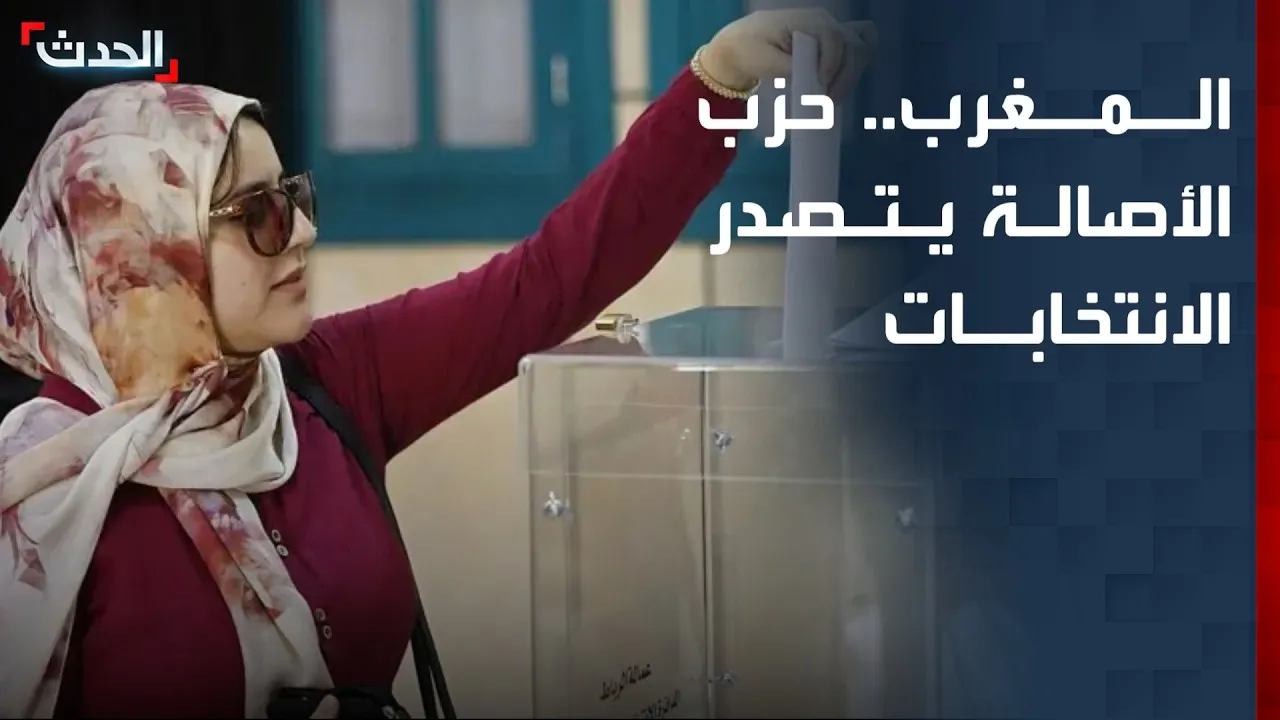

In the recent parliamentary elections held in Morocco, the monarchist Party of Authenticity and Modernity (PAM) has reportedly emerged as the dominant force, securing a total of 97 out of 395 available seats. This outcome positions PAM ahead of the center-right parties RNI and Istiqlal, which garnered 66 and 65 seats respectively. With no single party achieving an absolute majority, coalition negotiations are now set to commence within the North African nation, marking a critical phase in its political landscape.
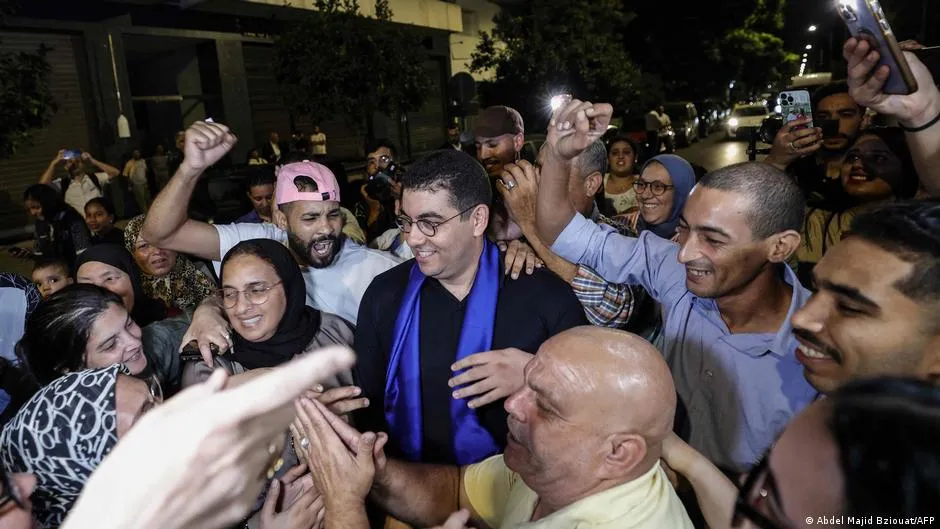
Notably, the moderate Islamist Party for Justice and Development (PJD), which faced a significant defeat in the 2021 elections, has made a surprising comeback, winning 54 seats according to the current tallies. This development is particularly striking given that the PJD had previously lost 90% of its parliamentary mandates. Having been in power for a decade following the Arab Spring uprisings beginning in 2011, this resurgence may indicate shifting tides in Moroccan politics.
Voter Apathy Reflected in Low Turnout
Official reports indicate that voter turnout for these elections has plummeted to just 38%, the lowest level recorded in nearly two decades. When considering the total eligible voters in the country, which includes approximately 15.8 million pre-registered individuals alongside an overall 26.7 million, the participation rate drops to an even more disheartening 22%. This low engagement is particularly pronounced among the youth, who express widespread disillusionment with political parties and public institutions. Many young individuals aged 15 to 24 are struggling to find employment, and surveys reveal that a significant number are contemplating emigration in search of better opportunities. Earlier this year, thousands of Moroccan migrants made headlines as they attempted to cross into the Spanish enclave of Ceuta, driven by aspirations for a more prosperous life within the European Union.
Infrastructure Investments Amidst Economic Concerns
With Morocco set to co-host the FIFA World Cup in 2030 alongside Spain and Portugal, the nation is accelerating its investment in infrastructure, including the construction of stadiums and airports. However, this focus on major sporting events has sparked public outcry, particularly among the youth, who have voiced concerns over the lack of urgent improvements in essential services like education and healthcare. Protests erupted last year, leading to the arrest of hundreds and, in some instances, resulting in fatalities. The country's pressing socio-economic issues continue to be a point of contention as citizens grapple with the implications of prioritizing grand projects over vital public needs.
In terms of press freedom, Morocco ranks 105th out of 180 countries according to Reporters Without Borders, indicating a challenging environment for journalists. As a constitutional monarchy, Morocco allows the strongest party following elections to appoint a Prime Minister, who must then form a government under the approval of King Mohammed VI. The monarch retains significant powers, particularly in areas such as foreign policy and military affairs, which underscores the complex balance of governance in the nation. Morocco, with a population of approximately 38 million, shares borders with both the Atlantic Ocean and the Mediterranean Sea, and its territorial claims in the Western Sahara continue to fuel tensions with neighboring Algeria, which supports the Frente Polisario independence movement that controls parts of the contested region.
As reported by dw.com.