
Preparing for the Future: Morocco's Urban Revitalization
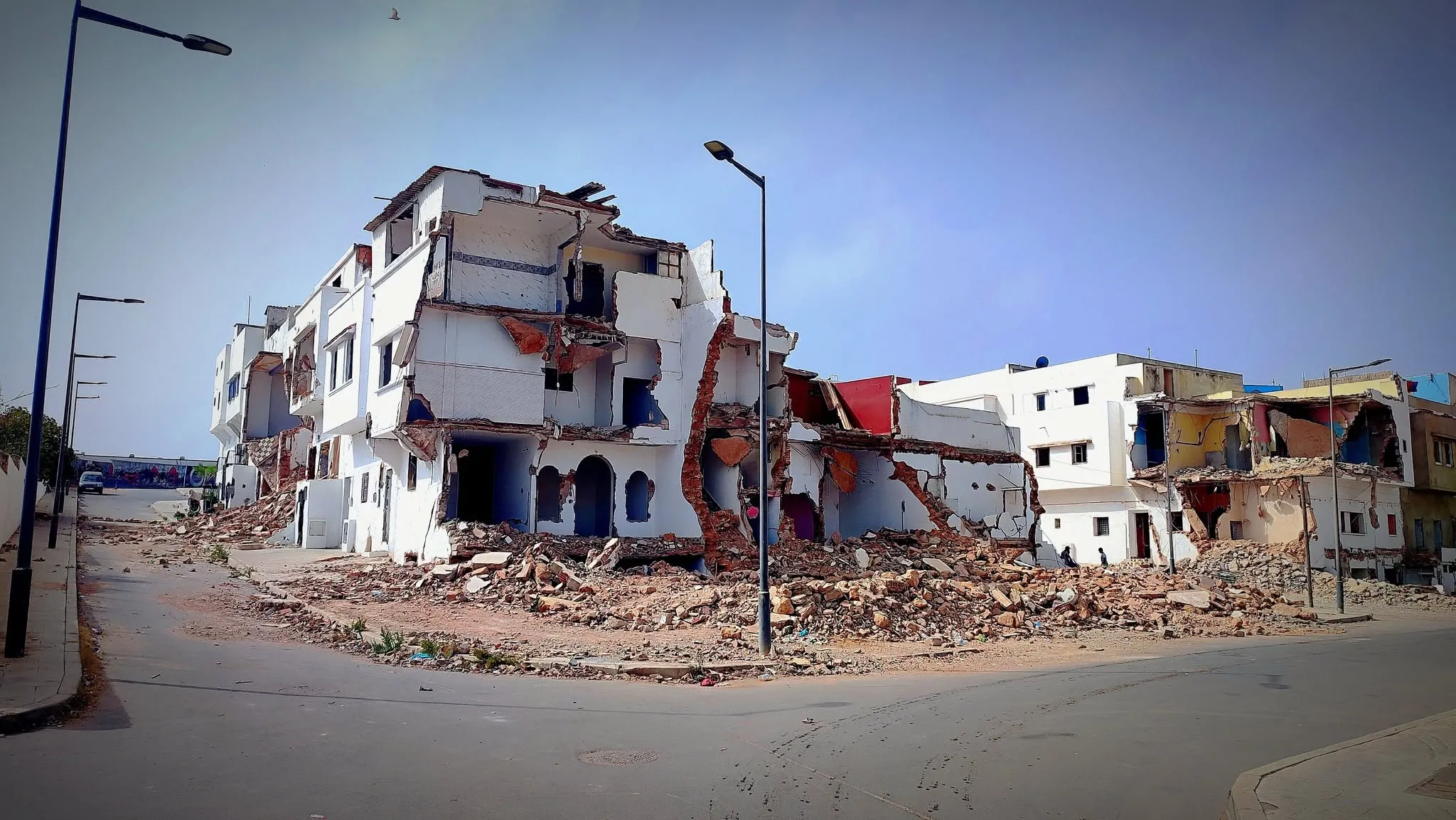
Morocco is gearing up for the 2030 FIFA World Cup through an extensive urban development initiative that transcends mere construction of stadiums, hotels, and roads. This ambitious project encompasses the demolition and rehabilitation of major residential neighborhoods in key cities, including Rabat, Casablanca, and Marrakech. The rapid pace of infrastructure rejuvenation is fundamentally altering the landscapes of several Moroccan cities as authorities undertake significant renovations to accommodate the upcoming global sporting event. Beyond sports venues and transportation networks, these transformations reach into residential areas, where some neighborhoods are being demolished or repurposed, leading to a comprehensive reshaping of urban geography across various Moroccan locales.
While Moroccan officials are promoting these urban projects as efforts to modernize cities and address inadequate housing conditions, the demolition and expropriation processes raise numerous questions regarding the fates of displaced residents. There is growing concern about the adequacy of compensation and resettlement arrangements, as well as the broader impacts on lifestyle patterns, employment locations, and social networks. These urban changes are not merely about infrastructure; they signify a profound shift in the identity and essence of Morocco's cities, presenting both opportunities for improvement and challenges for social cohesion.
Social Costs and the Human Impact
As Morocco prepares for the 2030 World Cup, the endeavor is not solely a race to complete stadiums and infrastructure; it is also an opportunity to redefine the fundamental characteristics of Moroccan cities. In places like Casablanca, significant demolition activities have affected historic neighborhoods, particularly with projects like the "Boulevard Mohammed VI," which connects the city center to the iconic Hassan II Mosque. Local residents and activists argue that the demolition and redevelopment initiatives are primarily driven by World Cup preparations, despite local officials claiming they are part of longstanding plans that the World Cup has accelerated.
In the heart of Rabat, the historic Al-Muhit neighborhood has seen major demolitions aimed at initiating transformative urban changes to enhance the administrative capital's appeal and image ahead of the anticipated World Cup. Similarly, in the tourist city of Marrakech, neighborhoods such as Yusuf Ibn Tachfin and the Old Olive district have undergone significant redevelopment, leading to the relocation of residents to other areas. Thousands of inhabitants in densely populated neighborhoods, including Al-Farah and Al-Rashad, are also facing the prospect of large-scale demolitions as part of the World Cup preparations, a situation mirrored in other cities that are set to host matches.
The displacement of residents due to the demolition of specific neighborhoods and the rehabilitation of others results in the relocation of families to new residential areas, often accompanied by cash compensation to cover rental costs for a limited duration. However, many homeowners express dissatisfaction with these compensations, leading to protests or legal action in pursuit of fairer settlements. Social researcher Mohamed Majdoul highlights the hidden social costs that families bear as they are uprooted from their homes, often after years of living in them. This transition disrupts their daily lives and dilutes established social ties.
Moreover, the social losses extend beyond the physical act of demolishing a home, even if financial compensation is provided. Families often lose the social connections they have developed over the years with neighbors and relatives, as well as the advantages of proximity to schools, markets, and other facets of daily life. The ongoing discourse around the social costs of these urban transformations emphasizes the need to consider the broader implications of displacement, including additional commuting expenses, longer travel times, and potential job loss for family members due to relocation.
In conclusion, while the preparations for the 2030 World Cup present a unique opportunity for Morocco to modernize its urban landscapes, it is crucial for the government to implement these changes with a strong focus on the rights of affected residents. As Morocco strives to host a successful global sporting event, the challenge remains to balance infrastructural advancements with the preservation of social connections and the provision of adequate support for displaced families.
As reported by independentarabia.com.