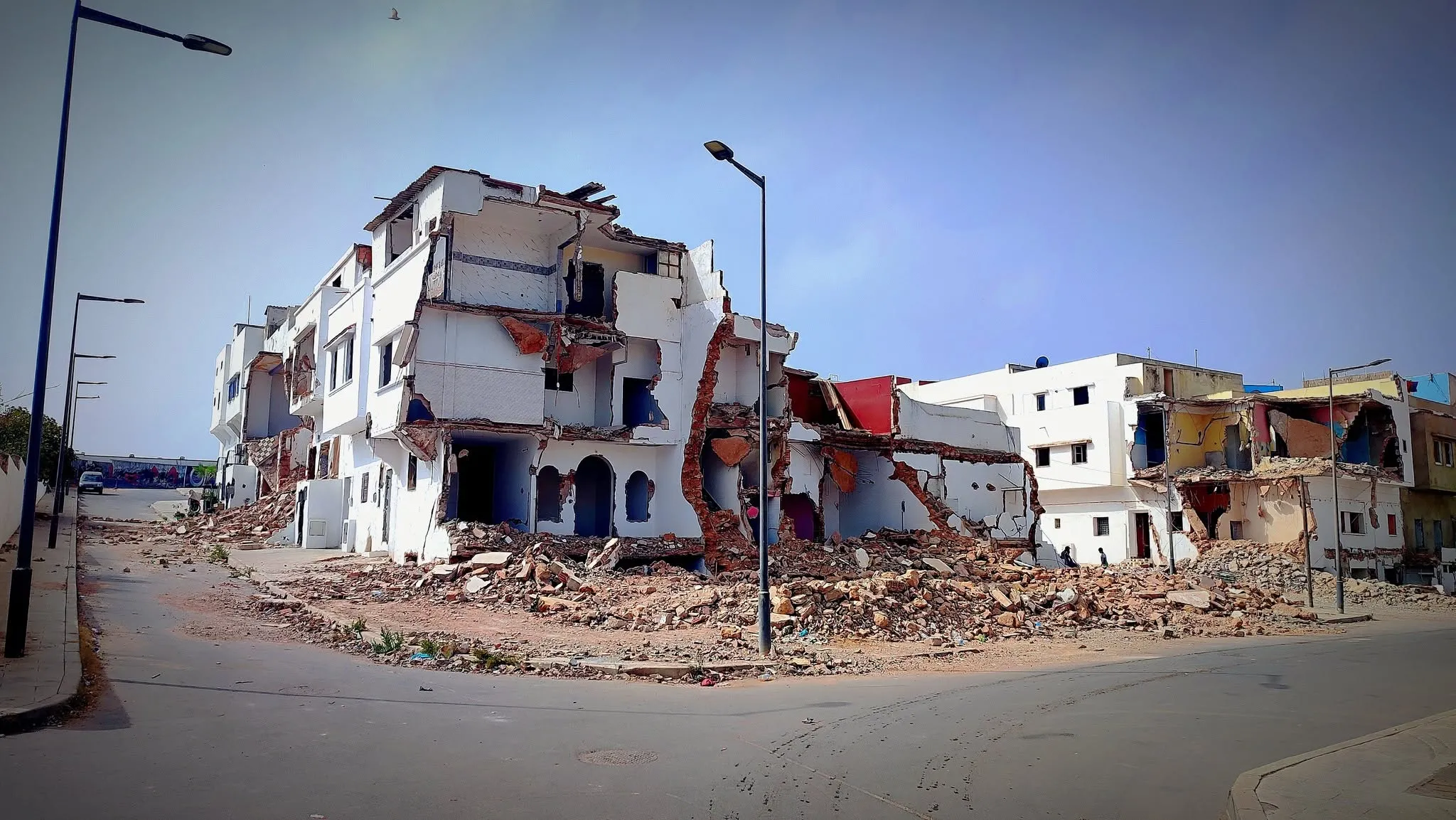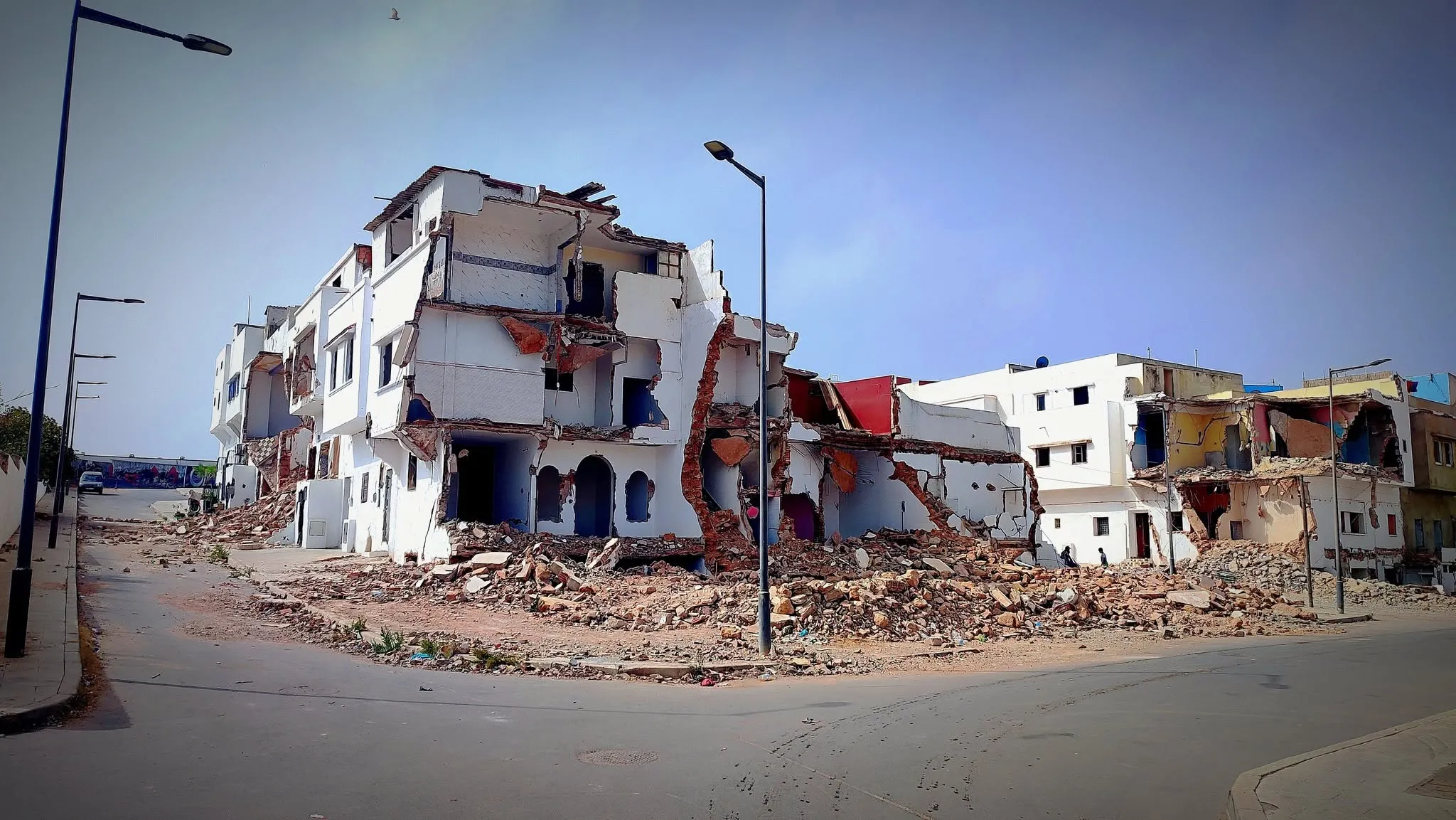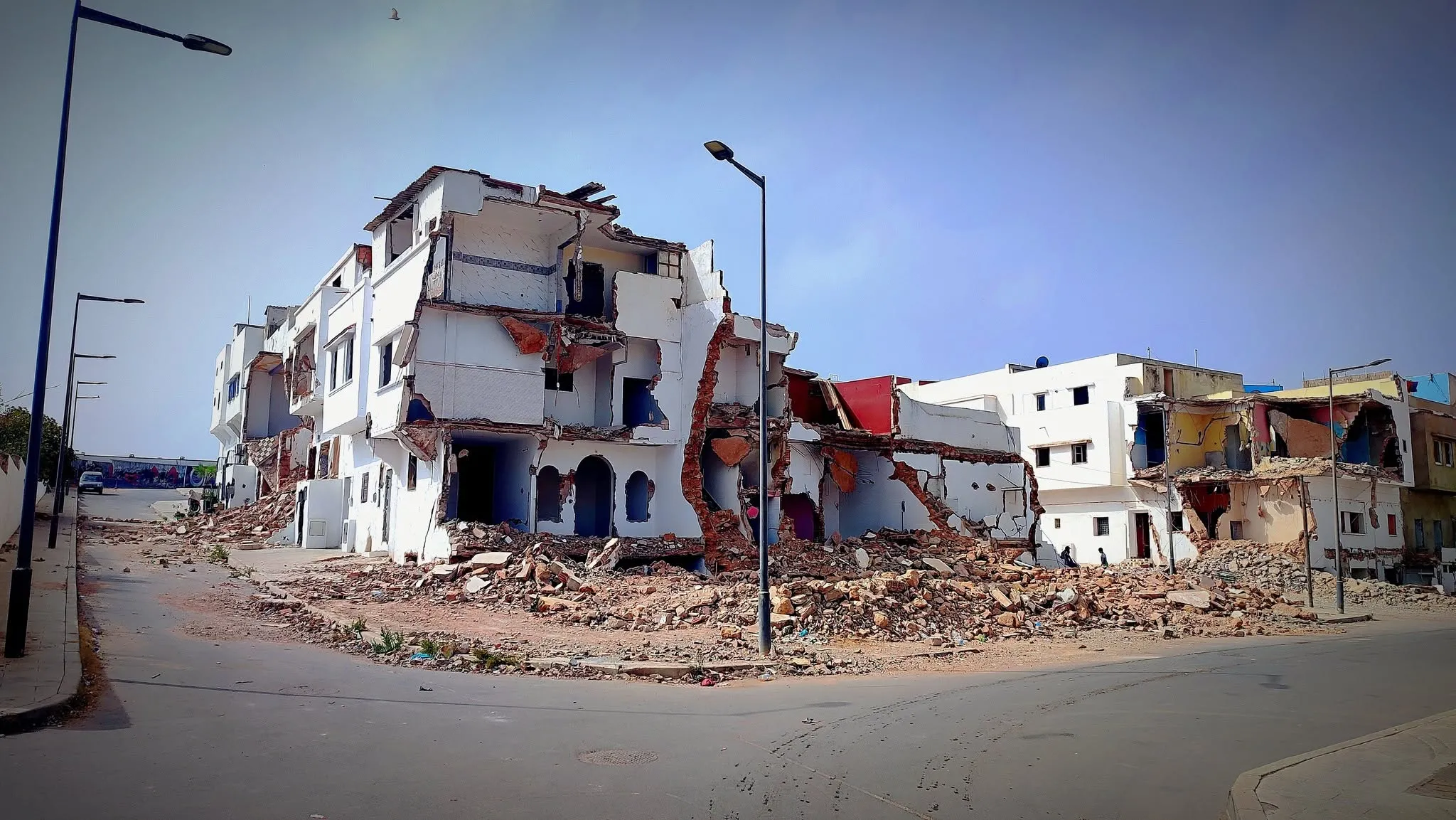

Morocco is gearing up for the 2030 World Cup through a comprehensive urban development initiative that transcends the construction of stadiums, hotels, and roadways, extending into large residential neighborhoods that are either being demolished or rehabilitated in cities such as Rabat, Casablanca, and Marrakech. The transformation of these cities is progressing rapidly due to the accelerated efforts to refurbish infrastructure in preparation for hosting the World Cup. Alongside the new stadiums, roads, transit networks, and amenities, these changes are also affecting residential neighborhoods, with some areas facing demolition or expropriation, leading to the resettlement of their inhabitants. This extensive undertaking is effectively redrawing the urban landscape of several Moroccan cities.
While Moroccan authorities present these developments as part of a broader modernization strategy aimed at addressing inadequate housing and improving urban spaces, the demolition and expropriation processes raise numerous questions regarding the fate of displaced residents, the sufficiency of compensation and resettlement efforts, and the impact of these changes on living patterns, work locations, and social networks.
Transforming Urban Landscapes
The preparation for the 2030 FIFA World Cup in Morocco is not merely a race to complete stadiums and develop infrastructure; it is also an opportunity to reshape fundamental aspects of Moroccan cities, bringing with it both urban benefits and social challenges. In Casablanca, significant demolition efforts have impacted neighborhoods within the historic old city, particularly through the "Mohaj Royal" project, which connects the city center with the renowned Hassan II Mosque. Areas like Darb Mouha, Darb Boutouil, Darb Engliz, and Darb Ramad have all been affected. While local residents and activists claim that these demolition and redevelopment efforts are part of the preparations for the World Cup, local officials argue that these projects have long been planned, with the World Cup merely accelerating their implementation.
In the heart of Rabat, the historic Al-Muhit neighborhood has seen extensive demolitions aimed at initiating massive urban transformations designed to enhance the attractiveness and image of the administrative capital, positioning it among the world's leading capitals during the upcoming World Cup. Similarly, in the tourist city of Marrakech, neighborhoods such as Youssef Ben Tachfine, known as "Ben Lakshali," as well as areas like Al-Sabas and the old Olive neighborhood, have undergone demolitions and renovations, with authorities relocating residents to other spaces and neighborhoods.
Thousands of residents in densely populated neighborhoods, such as Al-Farah and Al-Rashad, are anticipating extensive demolition and redevelopment efforts as part of the preparations for the 2030 World Cup. The same situation applies to certain neighborhoods in Salé, adjacent to the capital, and in other cities that will host matches during the tournament. The demolition of specific residential areas and the rehabilitation of others lead to the relocation of residents to new housing areas, with financial compensation provided to cover rental costs for a limited period. However, these compensations often fail to satisfy homeowners, prompting them to either protest or seek legal recourse for fair compensation.
Complex Social Costs
The ramifications of these transformations extend beyond merely reshaping the urban landscape; they also spark dialogues about the social costs of these initiatives, particularly for families forced to leave their homes and move to new neighborhoods. In this context, social economist Mohamed Majdoul highlights some hidden social costs associated with the 2030 World Cup that families bear as they unexpectedly find themselves at the center of demolition decisions and urban restructuring in anticipation of this global sporting event. One of the most prominent aspects of these social costs, as Majdoul notes, is the displacement of thousands of residents from homes they have inhabited for many years to new homes and neighborhoods in different parts of the city or even beyond its borders, disrupting their daily lives and routines.
Majdoul explains that the relocation of families, including children, spouses, and parents, to unfamiliar places—especially for homeowners—represents more than just a social mobility shift; it is a root displacement that alters entire life trajectories. Moreover, the social losses extend beyond the physical demolition of homes—even when financial compensation is provided—reflecting the loss of long-established social relationships with neighbors and relatives, as well as the loss of geographical advantages regarding schools, markets, and other everyday social and economic networks.
Additionally, the daily transition costs are not typically factored into infrastructure project calculations; resettling a family in a more distant area might result in increased transportation expenses, longer commuting times, and potentially force an individual to change jobs or abandon employment altogether. For small business owners, changing locations could mean losing customers with whom they have built economic relationships over the years. Majdoul emphasizes the severe social costs, stating that neighborhoods like Al-Muhit in Rabat and the old city of Casablanca are not just ordinary residential areas; they possess an enduring social memory. He also points out another negative cost associated with the loss of the solidarity and mutual support that characterize these historic and popular neighborhoods.
Thus, the social costs of Morocco's hosting of the 2030 World Cup cannot be reduced to the number of homes demolished or families resettled; the true cost is broader, encompassing lost commuting time, potential income losses, disappearing businesses, and fragmented social ties, as well as altered social fabric within communities.
In contrast, urban observers argue that the transformations associated with the 2030 World Cup could present an opportunity to accelerate the modernization of Moroccan cities, provided that they are accompanied by a social approach that ensures residents' rights and maintains, as much as possible, their stability and social connections. In this context, social researcher Karim Ayash sees the preparations for the 2030 World Cup as a historic opportunity to hasten the urban transformation currently underway in Morocco, steering its larger and neighboring cities toward more modern, balanced, and sustainable urban models. Rehabilitation projects, along with expanding transport networks and improving public spaces and services, are expected to enhance the appeal of cities such as Rabat, Salé, Casablanca, and Marrakech, contributing to an improved quality of life for their residents in the long run.
Ayash emphasizes that the demolition of certain buildings or the restructuring of neighborhoods should not solely be viewed as demolition operations; rather, they can be part of addressing long-standing urban imbalances, especially in areas suffering from housing vulnerability or a lack of essential infrastructure. He believes that "resettlement programs could allow affected families to move to more decent and secure housing that meets health and comfort standards while being better connected to water, electricity, sanitation, transport, and other social services." However, Ayash links the success of these projects to the respect for residents' rights, underscoring the importance of clear communication with them and their involvement in decisions related to their futures, alongside ensuring fair compensation and providing suitable housing alternatives before executing relocation operations. He concludes that "the social approach also necessitates preserving, as much as possible, the social ties of relocated families and ensuring their proximity to schools, workplaces, and health services."
Consequently, Ayash concludes that "the efforts surrounding the 2030 World Cup can positively contribute to transforming the urban landscape of Moroccan cities, making them more organized, integrated, and appealing," highlighting that "Morocco's ambition should not be limited to successfully hosting a global sporting event but should also aim at building modern cities that place citizens and their right to adequate housing at the core of urban development."
As reported by independentarabia.com.