Morocco's Firm Rejection of Pressure Tactics in the Strait of Hormuz
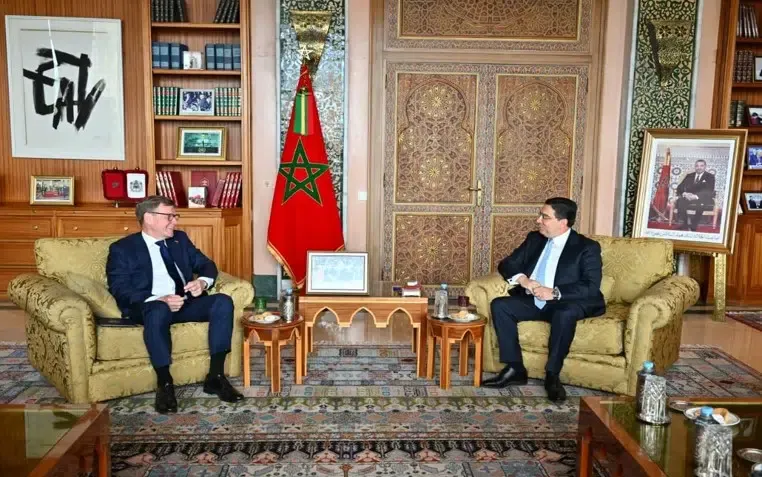
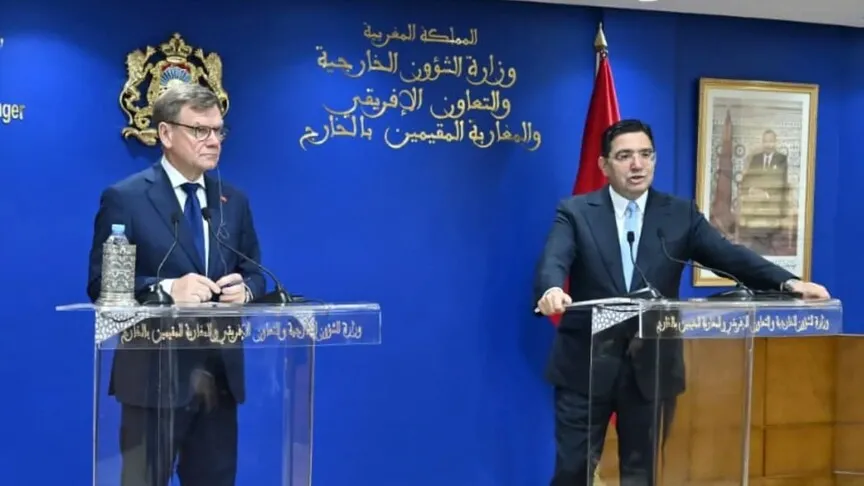
On Thursday, Moroccan Foreign Minister Nasser Bourita firmly rejected the notion of using the Strait of Hormuz as a tool for pressure and extortion during a press conference in Rabat alongside his German counterpart, Johann Wadephul. Bourita emphasized that Morocco's position regarding the situation in the Gulf is unequivocal, denouncing Iranian aggressions against brotherly Arab nations. He stated, "Waterways do not belong to any one nation; rather, they represent a responsibility that cannot be manipulated as a means of coercion or extortion." He further asserted that these maritime routes should be utilized to enhance communication and cooperation among countries and peoples.
The Broader Context of Regional Tensions
The statement from Morocco comes amid escalating tensions in the region, following the onset of hostilities between the United States and Israel against Iran, which began on February 28. In retaliation, Iran announced on March 2 that it would restrict navigation in the Strait of Hormuz, a critical passageway for approximately 20% of global oil exports prior to the conflict. A temporary ceasefire mediated by Pakistan was announced on April 8, allowing for a brief reopening of the strait, but Iran later reversed this decision amid increasing maritime blockades imposed by the U.S. on Iranian ports.
Bourita also underscored that achieving peace in the Middle East hinges on the success of stability initiatives in Gaza and the implementation of the 20-point plan endorsed by the UN Security Council. He remarked that this stability plan serves as a reference point for developing a long-term vision for peace in the region, based on a two-state solution.
The backdrop to these developments includes the catastrophic aftermath of a two-year genocide initiated by Israel against Gaza, which commenced on October 8, 2023, resulting in over 72,000 Palestinian deaths and more than 172,000 injuries. On September 29, 2025, former President Donald Trump announced a plan to halt the Israeli genocide in Gaza, which was approved by the Security Council. The first phase of this plan included a ceasefire, partial Israeli withdrawal, the release of Israeli prisoners, and the introduction of 600 aid trucks daily. While Hamas adhered to its commitments in this first phase, Israel has consistently failed to uphold its promises, leading to further violence and casualties among Palestinians. The second phase of the plan involves a more extensive withdrawal of Israeli forces from over 50% of Gaza, reconstruction efforts, and the disarmament of factions, a process that Israel has also neglected to execute properly.
As reported by aa.com.tr.