Strengthening Diplomatic and Economic Ties Between Morocco and Germany
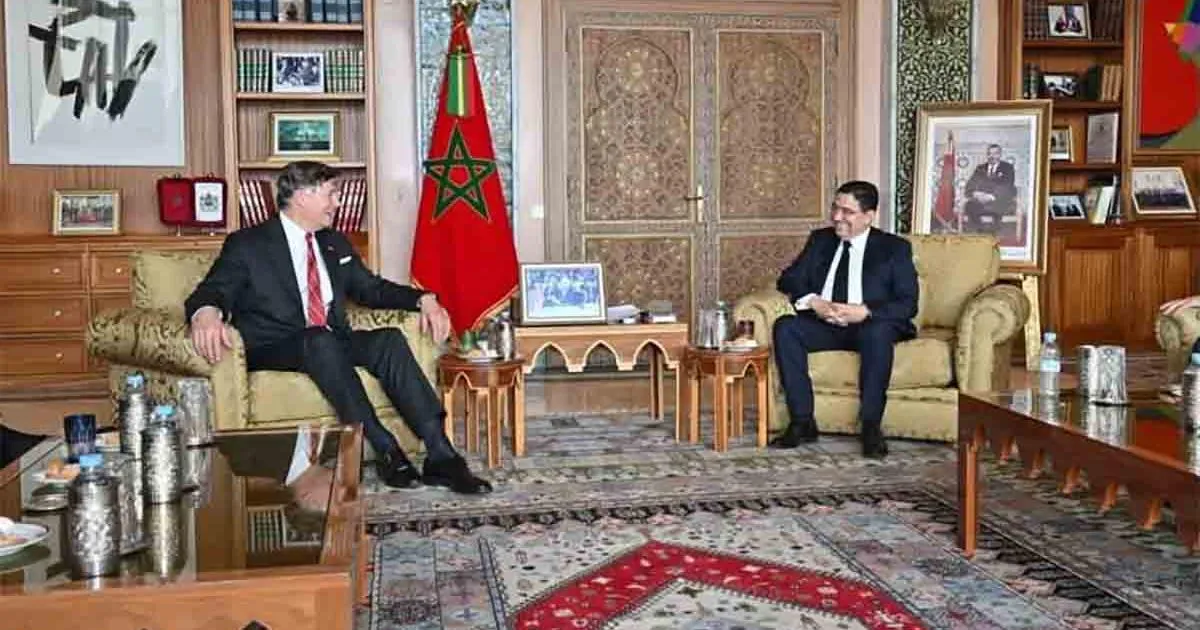
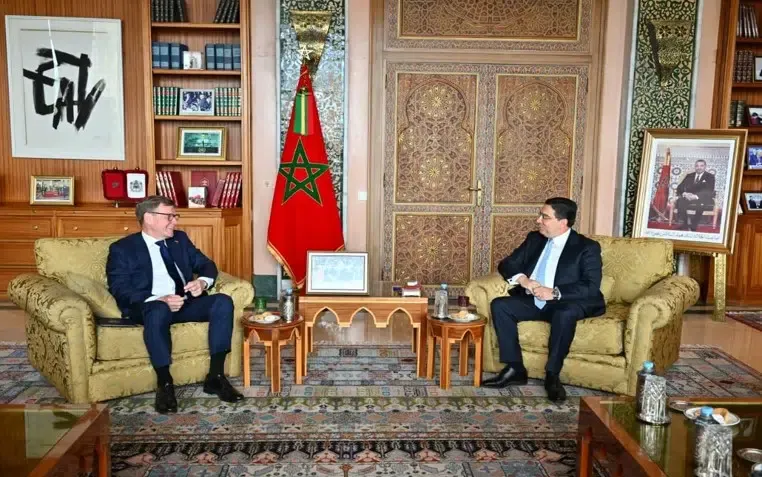
On April 30, 2026, Moroccan Foreign Minister Nasser Bourita met with his German counterpart Johann Wadephul in Rabat, the Moroccan capital. This meeting was not only to commemorate the 70th anniversary of diplomatic relations between the two nations but also to conduct the second session of the "Multidimensional Strategic Dialogue." This biennial format, alternating between both countries, aims to facilitate long-term coordination on political, economic, and security-related matters.
A focal point of the discussions was the growing economic dynamism between Morocco and Germany. According to the Foreign Office, Morocco is already the second-largest trading partner for Germany on the African continent. Over 300 German companies have established operations within Morocco, particularly in technologically advanced industries such as the automotive and aerospace sectors.
During the joint press conference held in Rabat, Minister Bourita emphasized that Germany ranks as the fifth-largest trading partner for the Kingdom globally. He also highlighted the success of the tourism sector, noting that nearly one million German tourists visited Morocco in 2025, marking an 11% increase. To further harness this potential, a significant financial package has been prepared to promote economic development and the social vision of King Mohammed VI for the years 2026-2027.
Minister Wadephul, who was accompanied by a business delegation, underscored the growth potential in renewable energy and green hydrogen. A notable outcome of their meeting was the establishment of a new "Memorandum of Understanding" focused on higher education and scientific research, which includes a master's program aimed at promoting the German language in Morocco.
Addressing Regional Challenges and Collaboration
Observers paid particular attention to the statements regarding the Western Sahara issue, where media coverage revealed differing emphases. The Moroccan state agency MAP highlighted the "centrality of autonomy under Moroccan sovereignty" and interpreted Germany's position as clear support for Moroccan integrity. According to MAP, Germany intends to act diplomatically and economically in alignment with this perspective in the future.
The German Foreign Office articulated its stance in a more nuanced manner in the joint statement, regarding Morocco's autonomy plan of 2007 as a "serious and credible effort" and a "very good basis" for a resolution that must be sought under the auspices of the United Nations. Both parties referenced UN Security Council Resolution 2797 from October 31, 2025, which emphasizes the importance of a viable political solution. While the Moroccan side perceives this as a reaffirmation of its sovereignty claims, German diplomacy stresses the necessity of a negotiation process involving all parties concerned within the framework of the global organization.
Beyond bilateral issues, the role of Morocco in regional conflicts was also on the agenda. Minister Wadephul praised Morocco as a "regional anchor of stability" and acknowledged the Kingdom's willingness to contribute to the 20-point plan for Gaza and participate in an international security force. In a world where "one crisis follows another," as noted by Wadephul, a partner committed to a rules-based international order is indispensable.
The discussions also addressed the situation in the Sahel region, with both ministers declaring a joint objective of stabilizing the area to combat the root causes of crises and migration as well as cross-border terrorism. In this context, Nasser Bourita condemned Iranian influences and attacks on Arab states, emphasizing the global responsibility of securing international waterways.
Another vital area of collaboration is migration and skilled labor acquisition. According to the ministries, over 3,000 work visas were issued for Moroccan professionals in 2025, particularly for roles in the German healthcare and nursing sectors. The "Permanent Mixed Migration Group" is set to convene again in Germany by the end of 2026 to further professionalize legal mobility pathways.
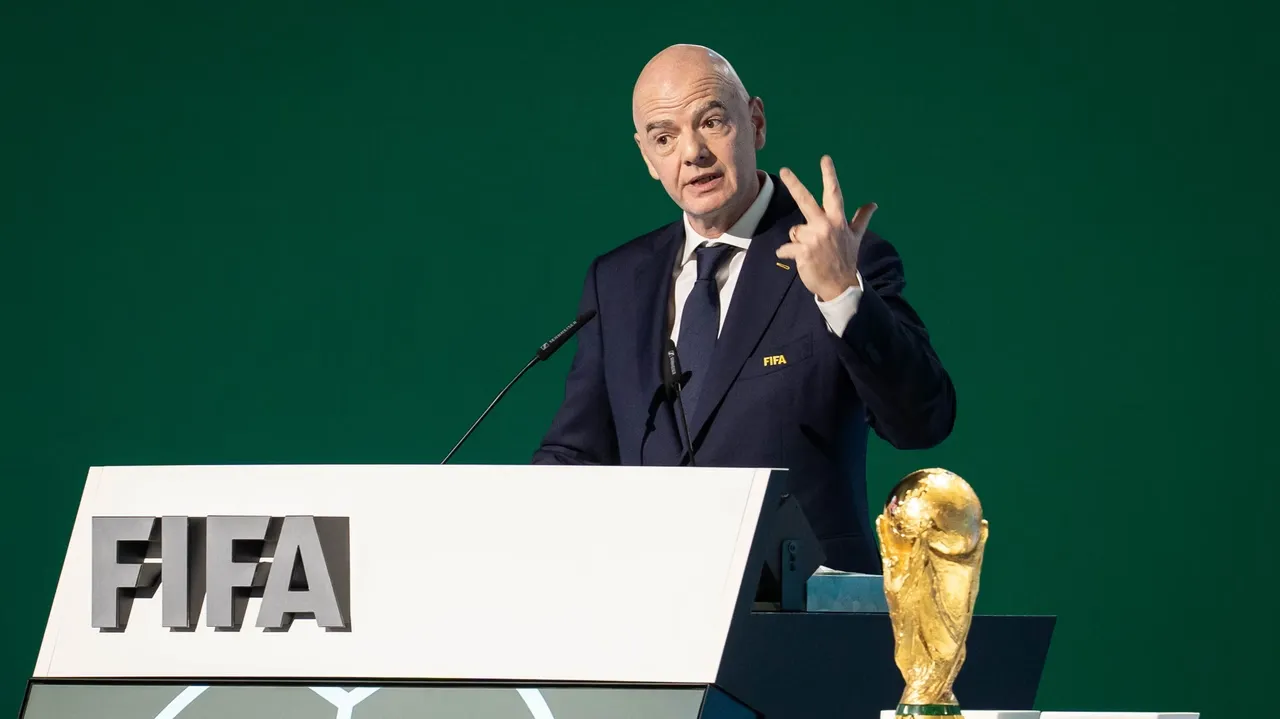
Concluding the strategic dialogue was a preview of the 2030 FIFA World Cup, which Morocco will co-host with Spain and Portugal. The enthusiasm for sports serves as a cultural binding element. Minister Wadephul, accompanied by former national player and sports ambassador Karim Bellarabi, visited a training center focused on youth development. Given the massive infrastructure projects underway in Morocco, including the construction of new stadiums, both countries also see potential for technological and organizational cooperation in this sector.
The outcomes of the meeting in Rabat clearly indicate that German-Moroccan relations have evolved from mere diplomatic neighbors into a profound strategic alliance. Morocco is successfully positioning itself as a bridge between Europe and Africa and as a reliable interlocutor in the Middle East. For Germany, this partnership not only presents economic opportunities in the green economy but also serves as a crucial political flank for stabilizing the African continent. The slight divergence in the linguistic interpretation of the Sahara issue does not seem to hinder practical collaboration in areas such as energy, security, and skilled labor immigration; rather, it reflects the complexity of international diplomacy.
As reported by maghreb-post.de.