Germany's Growing Interest in Moroccan Investment
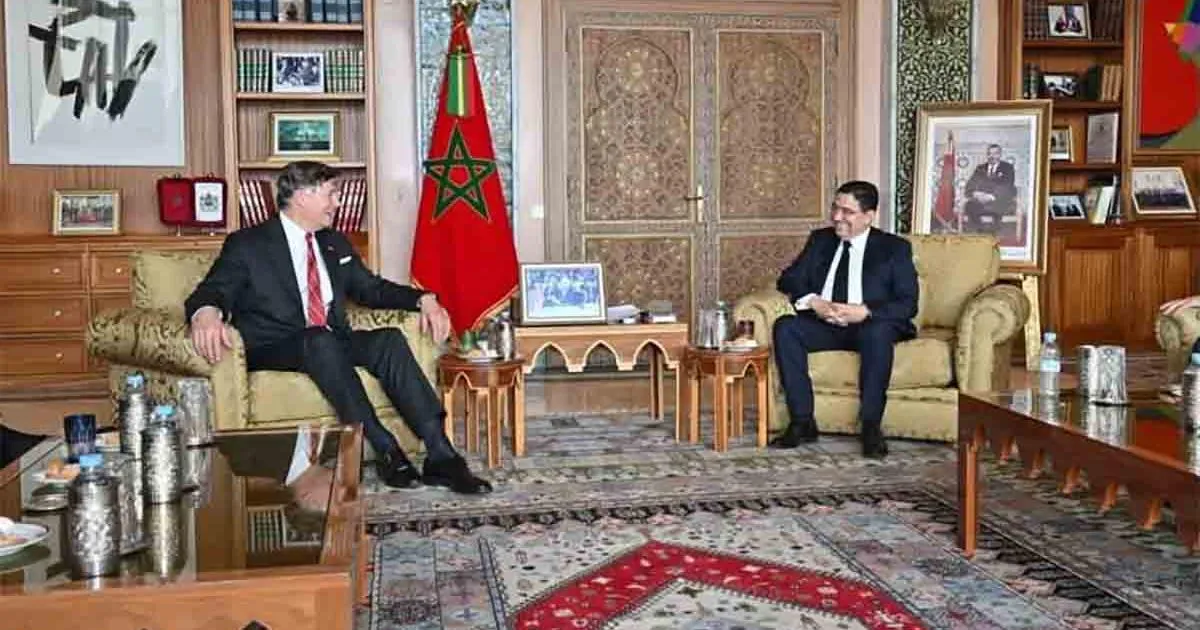
On April 30, in a significant diplomatic engagement, German Foreign Minister Johann Wadephul highlighted the increasing enthusiasm among German companies to invest in Morocco, particularly in sectors such as automotive, energy, mechanical engineering, and agriculture. This announcement came after a meeting in Rabat with Moroccan counterpart Nasser Bourita, which occurred during the second edition of the German-Moroccan Strategic Dialogue. Wadephul characterized Morocco as an ideal partner for enhanced cooperation, particularly in economic endeavors, emphasizing the nation's strong potential for investment growth.
The German diplomatic chief noted that over 300 German firms are currently operating in Morocco, drawn by the country’s youthful and well-educated workforce. This favorable labor market has prompted Germany to pursue a closer partnership with Morocco, especially as more than 13,500 Moroccans have relocated to Germany for employment opportunities in the past two years. Notably, over 3,000 Moroccan individuals received visas in the health sector alone in 2025, indicating a robust exchange of talent between the two nations.
Exploring Economic Cooperation and Future Prospects
Minister Bourita, during the discussions, seized the opportunity to identify new avenues for bilateral cooperation, placing strong emphasis on economic collaboration and attracting further investments. He pointed out that there are numerous opportunities to bolster the economic presence of Germany in Morocco, especially in light of the preparations for the 2030 World Cup, which Morocco will co-host with Spain and Portugal.
Furthermore, Bourita discussed the potential for deepening collaboration in emerging sectors such as renewable energy, digital and ecological transitions, and other forward-looking industries where Germany could play a pivotal role as a strategic partner. He stressed the importance of presenting these investment opportunities to the private sectors of both countries, highlighting the nearly comprehensive legal framework that governs the relations between Rabat and Berlin. This framework includes more than 300 agreements and legal instruments designed to facilitate investment and cooperation.
In addition to economic partnership, Bourita reiterated that their collaboration extends into areas such as security, consular affairs, and the fight against irregular migration, where both countries are committed to working responsibly and achieving tangible, positive results. He also underscored financial cooperation as one of the noteworthy successes in bilateral relations.
It is important to reflect on the diplomatic history between Germany and Morocco, particularly the crisis that arose in May 2021 when Morocco summoned its ambassador in Berlin in response to perceived hostile actions. Relations, however, took a positive turn a year later when Germany revised its stance on Western Sahara, supporting Morocco’s autonomy plan as a basis for conflict resolution.
As reported by es.investing.com.