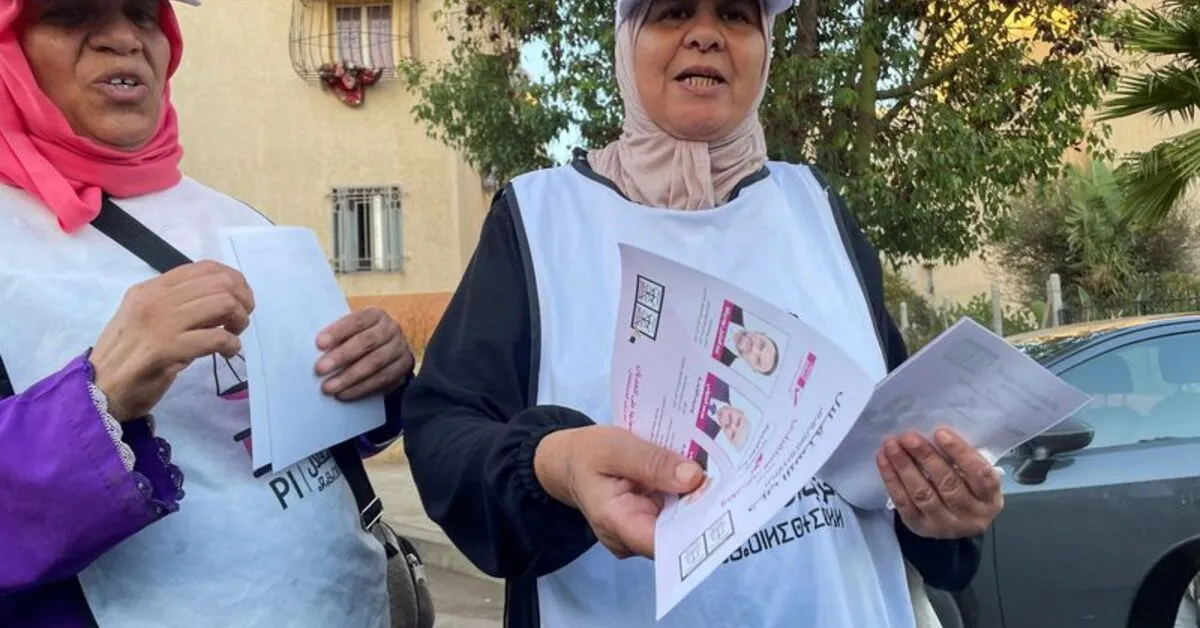

In a recent parliamentary election held on September 23, 2023, Morocco's interior ministry announced a disappointing voter turnout of 38.02%, a stark decline from the 50% participation recorded during the previous elections in 2021. This election is pivotal as it will decide the government responsible for overseeing the final phases of a monumental $20 billion initiative aimed at preparing the nation for the 2030 World Cup. This ambitious project seeks to channel economic benefits towards the country’s disillusioned youth, thereby addressing their growing concerns and aspirations.
The turnout rate is often viewed as a key indicator of citizen engagement and public confidence in elected institutions. Currently, approximately 27 million Moroccans are of voting age; however, only around 15.8 million are registered on electoral lists, marking a decrease of about 12% since the last election. Despite the low turnout, the interior ministry reported that the voting process occurred smoothly, with only a few isolated incidents noted, and that votes are presently being tallied.
While the parliamentary election is unlikely to significantly shift the existing power dynamics in Morocco—where the monarchy retains substantial control over critical policy areas, including defense and foreign affairs—it holds considerable importance for addressing youth discontent. This discontent was notably underscored by a mass migration attempt at the Spanish enclave of Ceuta and deadly protests led by younger generations last year. The current government, formed by a coalition of three parties, including two closely aligned with the monarchy, has succeeded in unseating a moderate Islamist party that had been in power since the 2011 Arab Spring protests.
Following the Arab Spring, the king delegated more responsibilities to an elected parliament but later reclaimed authority in significant areas such as foreign affairs and internal governance. According to the constitution enacted in 2011, the king selects the prime minister from the party that secures the largest share of the 395 parliamentary seats, who must then forge a coalition and present a cabinet for royal sanction.
In terms of economic initiatives, the two leading parties in the current parliament—the National Rally of Independents (RNI) and the Authenticity and Modernity Party (PAM)—have each committed to generating approximately one million jobs over the upcoming five-year term. They have also made promises to enhance housing, wages, and healthcare services. Despite their coalition, tensions have surfaced during the campaign, with both parties blaming each other for the inability to control rising food prices and other policy failures. Consequently, PAM leaders have expressed their reluctance to join another coalition with RNI should they win the most seats.
Prime Minister Aziz Akhannouch, a billionaire businessman who has been at the helm since 2021, has opted not to seek re-election after stepping down as RNI leader earlier this year. Meanwhile, Fouzi Lekjaa, the budget minister and president of Morocco's football federation, assumed a leadership role in PAM just weeks before the elections. As Morocco invests heavily in stadiums, railways, and other infrastructure in preparation for the World Cup—co-hosted with Spain and Portugal—the country aims to double its economic output per capita by 2035. The International Monetary Fund has projected the planned expenditure at approximately 190 billion dirhams, roughly equivalent to $20 billion, which constitutes about 12% of Morocco's GDP for 2024.
As reported by al-monitor.com.