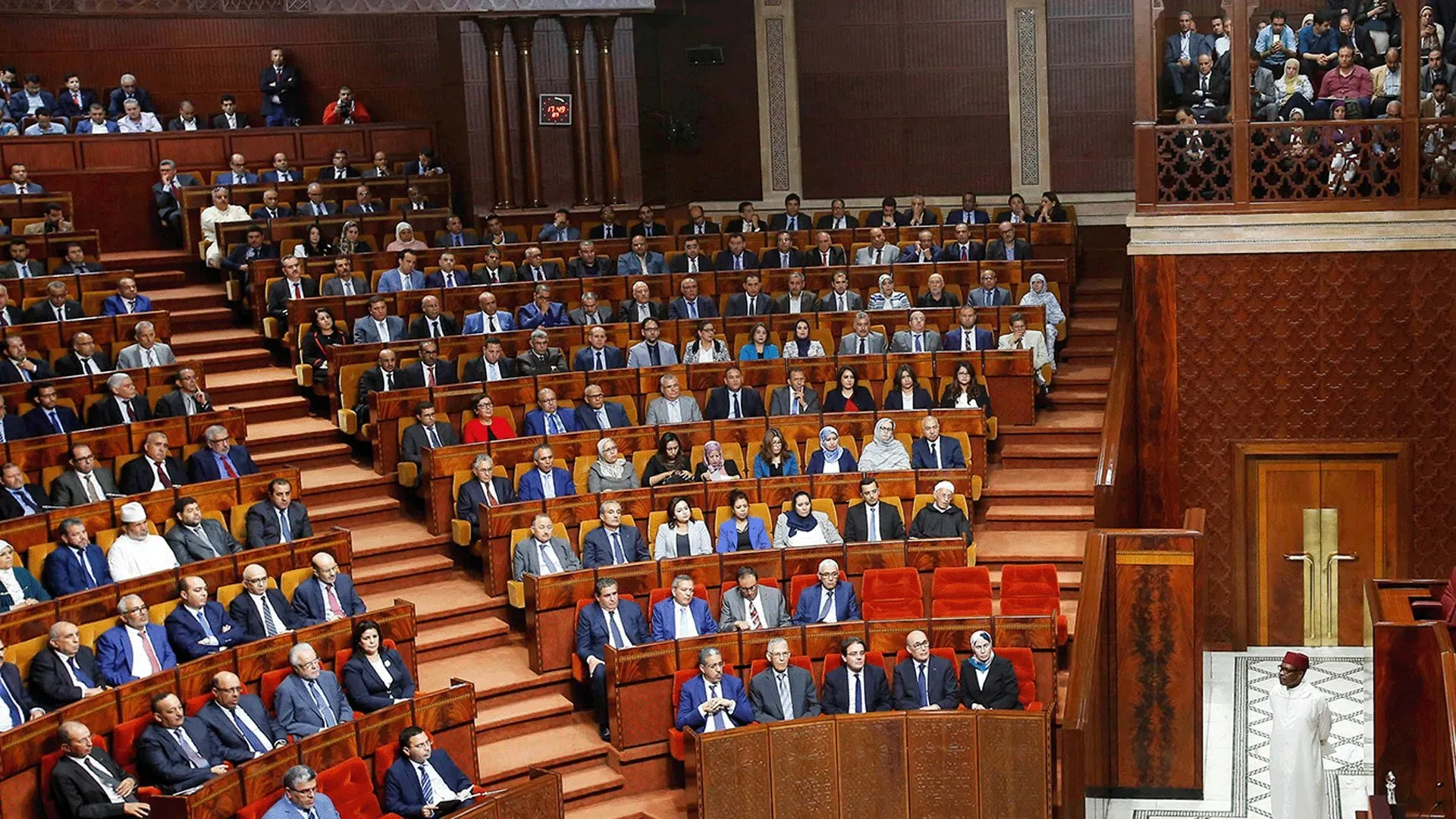

The electoral campaigns in Morocco are entering their final hours as the country prepares for a period of electoral silence ahead of the legislative elections, which mark the twelfth such event since independence. A total of 28 political parties are vying for 395 seats in the House of Representatives, aiming to form a new parliamentary and governmental structure to lead the nation over the next five years. In the hours leading up to the electoral silence, competition intensified on the ground, particularly in densely populated neighborhoods, as reported by Al Jazeera correspondents.
Intensifying Competition and Promises
According to Al Jazeera's correspondent in Rabat, Mokhtar Al Ablaoui, the difference of just one or two seats could dramatically alter the standings of competing parties, all eager to secure a favorable outcome that would allow the king, Mohammed VI, to appoint a prime minister from the winning party to form a governing coalition. The competitive promises made by the parties included raising wages, reducing income taxes—which are among the highest globally—and providing allowances for the unemployed and those wishing to marry.
Meanwhile, Al Jazeera correspondent Maysa Al Fatnasi confirmed that Casablanca is witnessing the fiercest election battle for 57 seats across 16 local districts. She elaborated that the economic capital reflects the pulse of Moroccan society, especially concerning social and economic issues such as the rising cost of living and youth unemployment.
In Tangier, correspondent Ayman Al Zubeir reported on the demands of factory workers, retirees, and youth, pointing out that voter turnout among those aged 18 to 25 was alarmingly low at just 4% in the last elections due to a loss of trust, amid an unemployment rate exceeding 35% within this age group. This has led parties to promise to provide bank loans for projects, lower rent costs, and increase vocational training centers.
The Battle of Numbers and Financial Realities
In the race to attract voters, a 'war of numbers' has emerged between the government coalition and the opposition parties. The National Rally of Independents promised to raise the minimum wage to $500, whereas the Party of Authenticity and Modernity promised a starting salary of $300 per month. On the opposition side, the Popular Movement announced a commitment to providing $100 per month to every unemployed individual with a higher education degree, while the Progress and Socialism Party pledged to raise the minimum wage by 15%.
However, these unprecedented promises, which amount to billions of dollars, face clear challenges as highlighted in a report by Al Jazeera prepared by Mokhtar Al Ablaoui. The unemployment rate has stabilized at 13% despite an economic growth rate nearing 5% in 2025, while over 30% of Moroccans—more than 11 million people—remain without health coverage. Economic analyst Badr Zaher Al Azraq warned that fulfilling these commitments would be difficult given the chronic budget deficit, which ranges between 3% and 4%.
In terms of party visions, Samir Belafqih, a member of the political bureau of the Party of Authenticity and Modernity, stated that his party enters the elections aiming to lead the next government based on its experience in both power and opposition over the past 13 years. Belafqih presented a costly program worth 350 billion dirhams (approximately $37 billion), which includes a "purchasing power charter" costing 30 billion dirhams annually (with 1 US dollar equaling 9.55 Moroccan dirhams) to reduce income taxes and raise salaries from 500 to 5,000 dirhams, addressing structural imbalances such as 280,000 cases of school dropout costing 97 billion dirhams, a female employment rate of only 19%, and a graduate unemployment rate of 37%.
Conversely, Mustafa Al Khalfi, a former minister and member of the general secretariat of the Justice and Development Party, emphasized that his party offers a political alternative to the current government's failures, which promised one million job positions but only delivered 100,000. Al Khalfi outlined his party's program, based on "100 commitments," which includes five main initiatives: restoring 7 million citizens to the health coverage system (increasing the total to 18 million), providing vocational training for one million beneficiaries, implementing anti-corruption laws and conflict of interest regulations, capping fuel profit margins to protect purchasing power, and continuing direct support for more than 100,000 widows.
Current Prime Minister Aziz Akhannouch, former president of the National Rally of Independents, expressed that his party seeks victory in the parliamentary elections scheduled for September 23. During the election campaign, Akhannouch defended his government's achievements, asserting that the past five years have been marked by significant challenges, yet the government has managed to fulfill several of its commitments.
As reported by aljazeera.net.