
Morocco Heads to the Polls Amidst Political Disillusionment and Economic Concerns
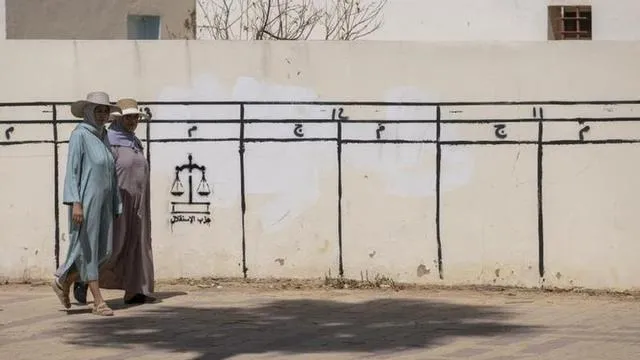
On Wednesday, Morocco will conduct elections characterized by anticipated low voter turnout, with pressing issues such as youth unemployment, rising living costs, and public services dominating the agenda. While these elections may seem distant to the Canary Islands, they hold significant relevance for this archipelago located just off the Moroccan coast, as its migratory realities are closely intertwined with developments in Morocco. The nation serves as both a source and transit point for migrants heading to the islands, significantly influencing the dynamics of the Canary route. The lack of opportunities and economic hardships are driving factors contributing to many Moroccan youths' decisions to pursue a path to Europe, while others express their discontent by distancing themselves from the electoral process.
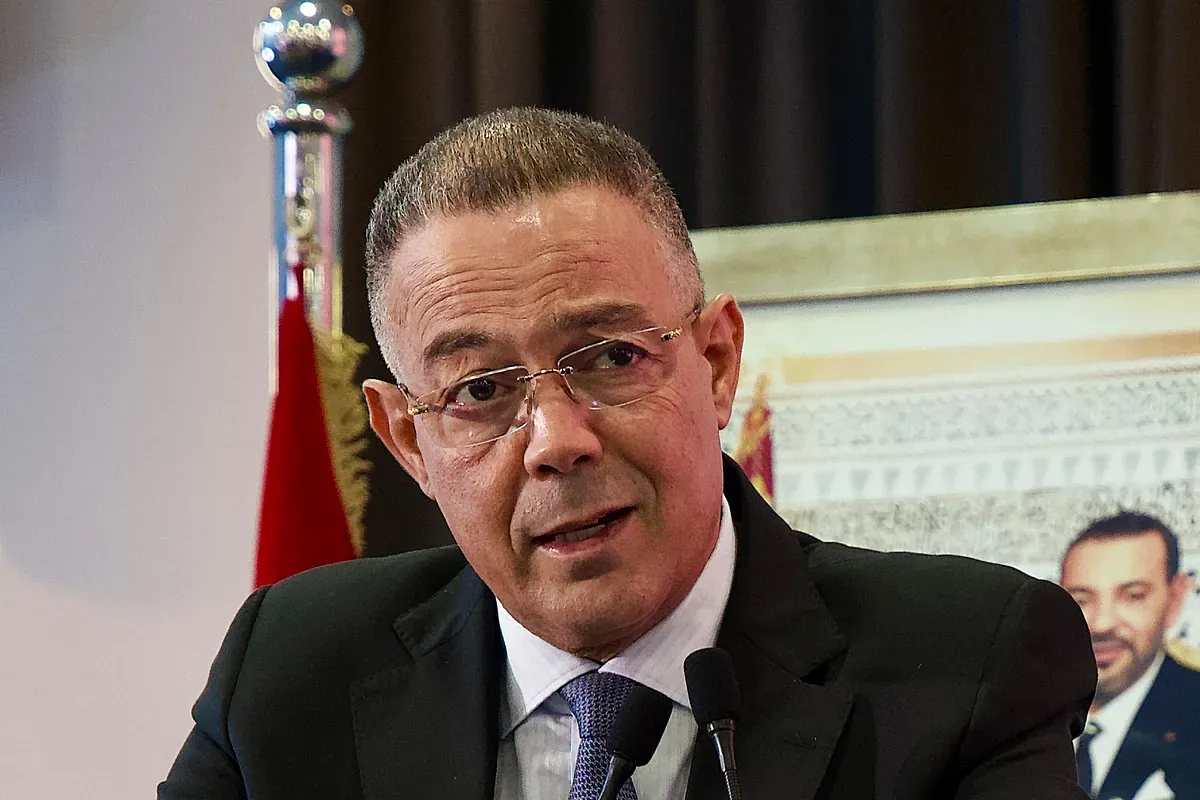
Professor Moisés Ruiz, a political leadership expert at the European University, comments on the expected high levels of abstention, noting that this trend has persisted since 2016 and may be even more pronounced this time. Forecasts suggest that the Justice and Development Party (PJD), which governed until 2021 and is known for its Islamist orientation, will enter these elections with significantly diminished support compared to previous votes. Maintaining this low level of backing would be considered "good news" for Spain and particularly for the Canary Islands, as it fosters better relations between the two nations on crucial issues, including migration, security, and economic cooperation. Additionally, there appears to be a favorable trend for the Authenticity and Modernity Party (PAM), which welcomed Fouzi Lekjaa, president of the Royal Moroccan Football Federation, into its ranks in July. Ruiz anticipates that Lekjaa's potential political rise could be linked to the sport's prominence in the country, especially with Morocco set to host the 2030 World Cup alongside Spain and Portugal. Ultimately, it will be the king who decides who will take on the presidency.
Voter Participation and Youth Discontent
Amid the electoral landscape, there looms the risk of a massive influx into Ceuta during the voting period. The events in July, when nearly 80,000 individuals crossed the border illegally within two days, have been a constant reference throughout the electoral campaign alongside Morocco's historical claim over the autonomous cities. The North African country's armed forces have intensified border surveillance, and Foreign Minister José Manuel Albares has assured that the government is collaborating with Rabat to thwart any attempts of unauthorized entry.
Official statistics reveal that voters aged 18 to 24 constitute a mere 4% of the electoral roll, whereas those aged 60 and above account for 29%. While these figures depict the age composition of the electoral register, they do not indicate the turnout rates for each demographic group. In fact, abstention is likely to send "the most significant message" from Moroccan society, reflecting the rising discontent with the current political landscape in Morocco. Ruiz emphasizes that younger generations are increasingly alienated from politics, reflecting a broader trend of disengagement.
A total of 27 political parties are vying for 395 seats in the House of Representatives. However, the outcomes are not expected to herald significant shifts in the kingdom's foreign policy, as the king retains the authority to appoint the Foreign Minister and other members of the government tied to key strategic areas of the monarchy. According to political leadership experts, this suggests a status quo that is unlikely to change dramatically, although there may be potential shifts in sectors such as Justice or Economy.
Another pressing question revolves around the representation of the election results. In Morocco, registration is mandatory to vote, and out of approximately 26 million citizens of voting age, only a little over 16 million are registered. If a significant portion of these voters opts to abstain from the polls, the resulting outcomes will reflect only a limited segment of the Moroccan population. Additionally, the situation of the diaspora, one of the largest in Spain, poses challenges for members wishing to exercise their voting rights from abroad.
The discontent among youth has already manifested through a wave of protests led by young Moroccans. In October 2025, thousands took to the streets in various cities, with demonstrations continuing over several days. This movement, dubbed Genz212—a blend of "Generation Z" and Morocco's country code—was primarily organized through digital platforms. The demands raised during these protests echo the very same issues driving segments of the population to emigrate towards the islands: lack of opportunities, precarious work conditions, political corruption, declining healthcare systems, and deficiencies in the educational sector.
Ruiz acknowledges that young people have little faith in the reforms and changes that may arise from these elections. Nevertheless, a series of regulatory reforms aimed at encouraging participation among individuals under 35—who are particularly impacted by clandestine migration—have been introduced. These measures include revising and streamlining the requirements for candidacy submissions to facilitate political representation, alongside financial incentives for candidates that can cover up to 75% of campaign expenses. Despite these initiatives, Ruiz concludes that "young people are becoming increasingly distanced from politics in Morocco."
As reported by laprovincia.es.