
On September 23, 2026, Morocco conducted significant legislative elections, a pivotal event underscored by the ongoing crisis with Ceuta. These elections aim to renew the 395 seats in the House of Representatives, which will ultimately shape the government for the next five years. Official results are anticipated to be disclosed today, drawing keen interest towards six leaders from four political parties that have dominated the Moroccan political landscape over the past decade. It is important to note that Morocco has stringent regulations prohibiting the publication of opinion polls, leaving the political climate shrouded in uncertainty.
The ruling coalition is spearheaded by the liberal National Rally of Independents (RNI), alongside the technocratic Party of Authenticity and Modernity (PAM) and the nationalist Istiqlal party. The previous ruling Islamic party, Justice and Development (PJD), also contests these elections. The Moroccan monarch will appoint the head of government from the party that secures the majority of seats, adding another layer of intrigue to the electoral process.
Current Prime Minister Aziz Akhannouch has opted not to run for re-election, positioning the newly elected RNI leader, Mohamed Chouki, as a prominent figure in this electoral cycle. Chouki’s ascent to the RNI leadership in February was perceived as a strategic move to rejuvenate the party’s image amidst waning popularity. He has focused his campaign on pledging improvements to citizens' purchasing power, public services, and employment opportunities between 2026 and 2031, particularly in his home region of Boulemane in Fez.
Among the influential figures within the RNI is Rachid Talbi Alami, who has served as the President of the House of Representatives since 2021 and is a candidate for Tétouan. His extensive political career spans various ministerial roles since 2002, including Minister of Industry, Commerce, and Telecommunications, and he holds a doctorate in Management and Finance from New York University. Talbi Alami's experience positions him as a key advocate for the government's achievements and the RNI's agenda.
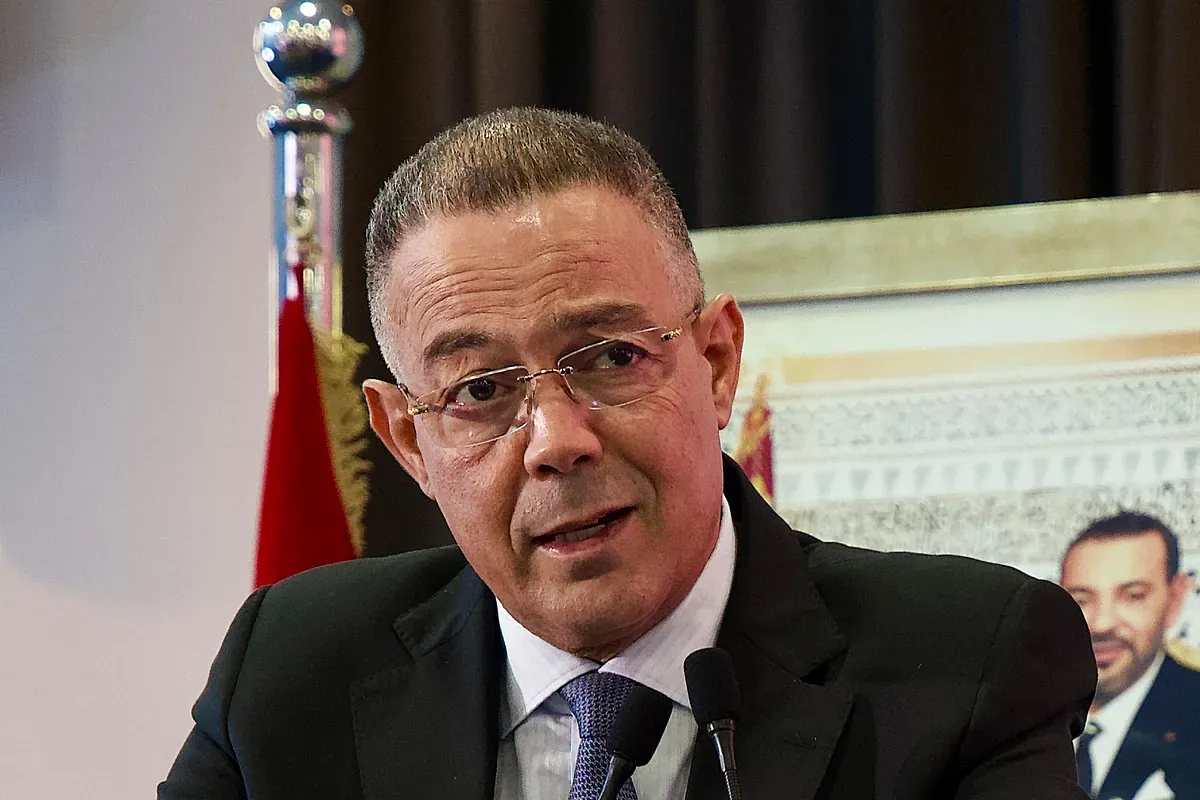
On the PAM side, the party’s prominent candidate, Fouzi Lekjaa, brings significant credentials to the table as the Minister Delegate for Budget and a leader within the Royal Moroccan Football Federation. His involvement in securing Morocco's hosting of the 2030 World Cup has bolstered his reputation. Lekjaa, a trained agronomist from Berkane and a graduate of one of Morocco's elite civil service schools, has transitioned into politics as a technocrat focused on results and economic growth that benefits citizens.
Contrasting with Lekjaa's technocratic approach is Abdellatif Ouahbi, a seasoned politician within PAM, who has served as the Minister of Justice since 2021. He is advocating for a reform of laws to enhance civil liberties and foster a better relationship between universities and the job market. His candidacy in Taroudant North reflects his commitment to addressing pressing societal issues.
The coalition partner Istiqlal is led by Nizar Baraka, the current Minister of Infrastructure and Water, who may emerge as a surprise contender in this electoral round. With a background in economics and a political lineage tied to Morocco's independence movement, Baraka's campaign focuses on defending purchasing power and employment while critiquing economic liberalism. His stance positions Istiqlal as a conservative alternative, prioritizing family values and anti-corruption measures.
Amid the competitive landscape, the previous governing party, the PJD, is attempting to regain ground after a significant electoral setback in 2021. Its leader, Abdelilah Benkirane, who served from 2012 to 2017, seeks to re-enter the political arena after witnessing a dramatic drop in seats from 125 to just 13. The PJD has centered its electoral message on combating corruption and advocating for improved living conditions through better job prospects, education, and healthcare.
The outcome of these elections hinges largely on the parties’ ability to mobilize voters, particularly the youth, who have increasingly expressed disillusionment with political entities that have failed to address the country's challenges effectively.
As reported by elmundo.es.