Morocco Launches the Iconic Mohammed VI Tower
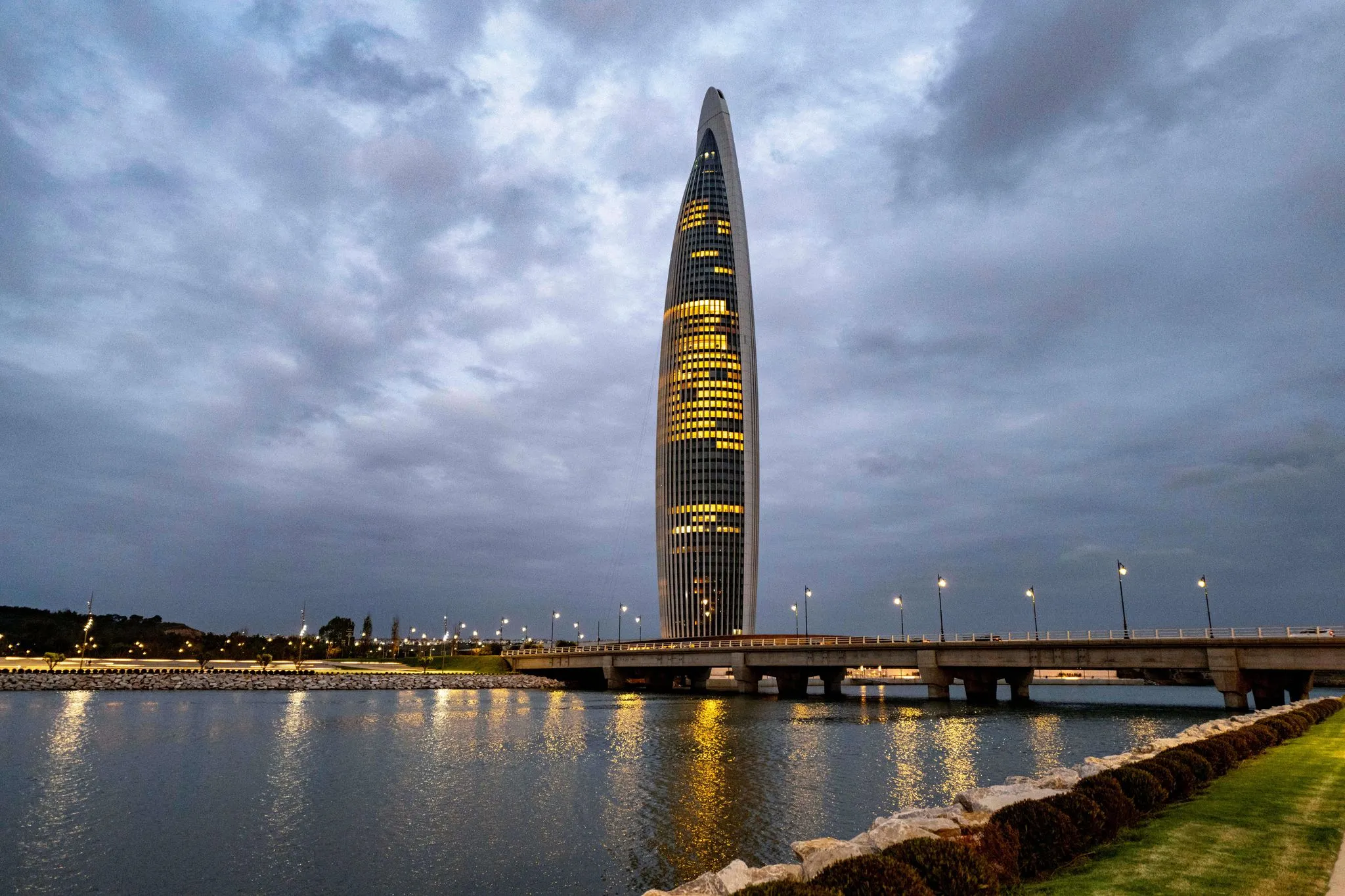
In a significant milestone for the nation, Morocco has inaugurated the Mohammed VI Tower, a remarkable $700 million skyscraper that stands as a testament to the country's expanding global ambitions. This 55-story architectural marvel, soaring to a height of 820 feet, is strategically located in Salé, adjacent to the capital city of Rabat, and is designed to reshape the urban landscape of the region. The tower, named after the reigning King Mohammed VI, draws inspiration from the image of a rocket poised for launch, symbolizing the aspirations and forward momentum of Morocco.
A Multifaceted Development with Global Appeal
The Mohammed VI Tower is not merely a skyscraper; it is a complex designed to host a range of facilities that cater to both local and international audiences. The building features a luxurious Waldorf Astoria hotel, a variety of offices, upscale shops, gourmet restaurants, and high-end apartments. This dynamic mix is expected to create a vibrant hub that attracts both business and leisure visitors, further enhancing Morocco's reputation as a leading destination in Africa. According to Leila Haddaoui, director at O Tower, the development is projected to generate approximately 450 direct jobs and an impressive 3,500 indirect employment opportunities, significantly contributing to the local economy.
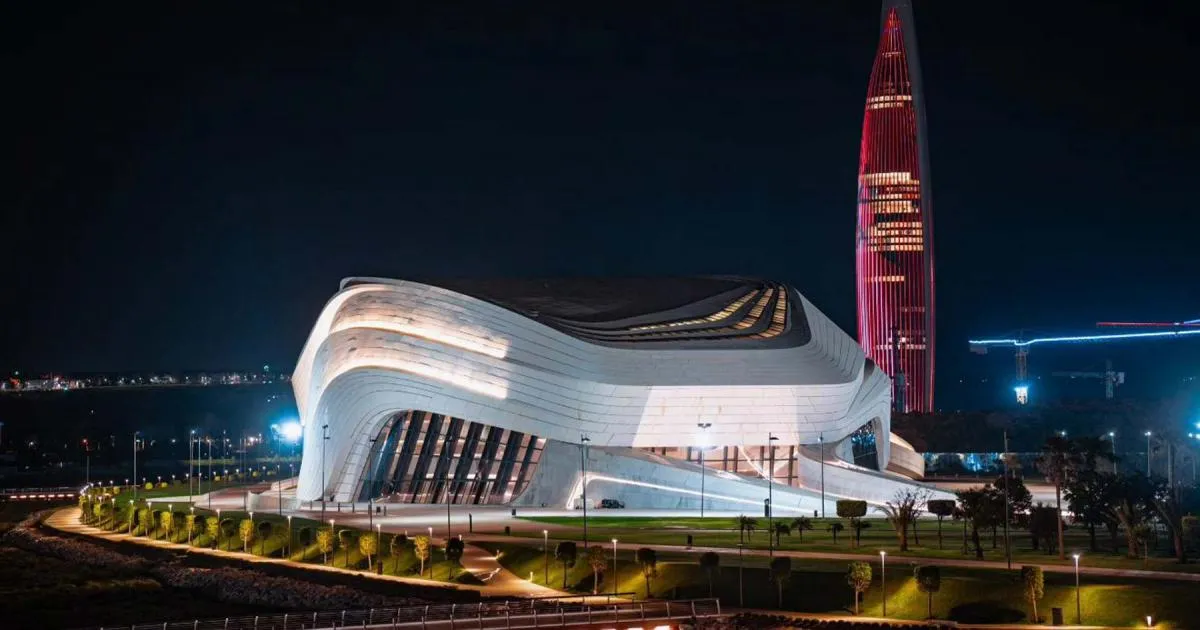
Constructed over a period of eight years, the project involved the collaborative efforts of more than 2,500 workers hailing from various nations, showcasing Morocco's commitment to international cooperation and development. The tower's design complements the nearby Grand Theatre of Rabat, a notable work of the late Iraqi-British architect Zaha Hadid, and offers breathtaking views of the Atlantic Ocean and the twin cities of Rabat and Salé. As part of its promotional efforts, the Mohammed VI Tower has already been featured on Morocco's 200-dirham banknote, reflecting its cultural and economic significance.
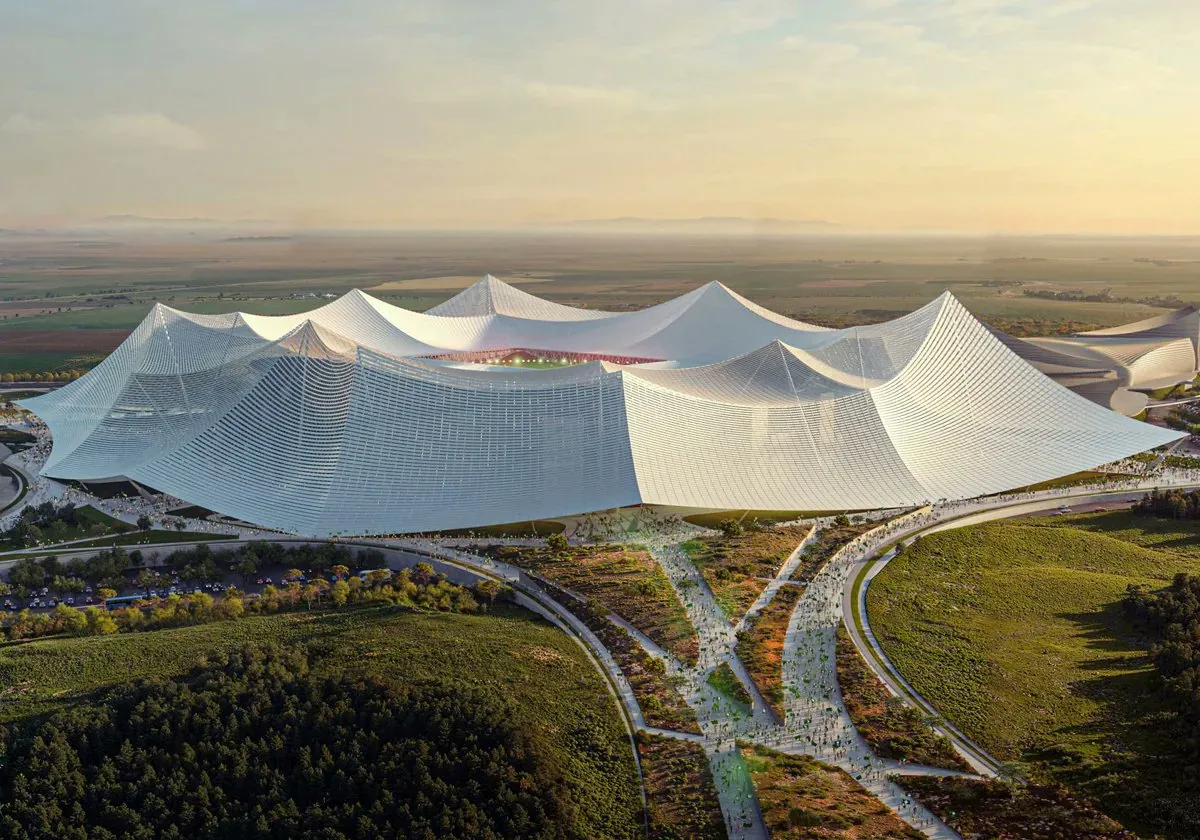
With this ambitious project, Morocco aims to elevate the profile of Rabat and Salé, which have historically been overshadowed by more tourist-heavy destinations. The nation, already recognized as Africa's most visited country, is intensifying efforts to attract a greater influx of tourists, particularly in anticipation of co-hosting the 2030 FIFA World Cup. As Morocco continues to develop its infrastructure and tourism sector, it stands poised to solidify its position as a key player on the global stage.
As reported by stamfordadvocate.com.