
Moroccan Elections: A Reflection of Youth Frustration and Economic Struggles
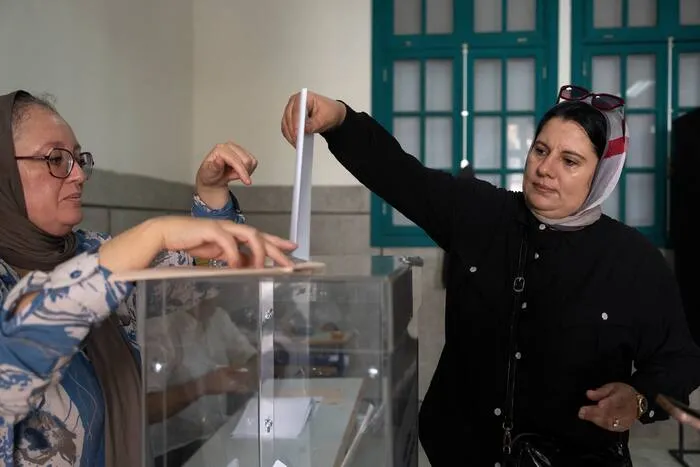
On September 23, 2026, Moroccans cast their votes in a pivotal parliamentary election marked by increasing dissatisfaction among the nation’s youth, high unemployment rates, and demands for improvements in education, healthcare, and housing. The election, which aimed to fill the 395 seats in the House of Representatives, saw a disheartening voter turnout of only 38%, the lowest since 2007, and a significant drop of nearly 25% compared to the previous elections held in 2021. This lack of participation highlights a growing disillusionment with the political process, particularly among younger voters who feel their voices are not being heard.
The backdrop of this election is significant, as it follows deadly protests led by young people and a tragic surge of migrants attempting to cross into Ceuta, Spain, which resulted in numerous casualties. The outcome of this election is poised to influence not only the selection of the next prime minister but also shape the future government in a nation where the monarchy retains considerable control over key strategic matters. Results from this election are expected to be announced shortly after the polls close, adding to the anticipation of how the new government will address pressing issues.
The Road Ahead: Opportunities and Challenges for the New Government
The newly elected government will be tasked with overseeing substantial investments as Morocco gears up to co-host the 2030 FIFA World Cup, a responsibility that some have dubbed the "World Cup government." This unique opportunity comes with immense pressure to resolve daily challenges faced by citizens, including employment, wages, and the rising cost of living. For many young Moroccans, the election represents a critical juncture as they grapple with the belief that political engagement may not yield tangible improvements in their lives. As a result, some have opted for street protests or even considered emigration, while others have chosen to abstain from voting altogether.
Among the candidates vying for leadership are notable figures such as Faouzi Lakjaa, the president of Morocco's soccer federation, and Fatima-Zahra Mansouri, the mayor of Marrakech and a potential first female prime minister. The election's dynamics are further complicated by calls for a boycott from certain groups who claim that the electoral process lacks essential democratic conditions. Despite these challenges, many voters, including a retired banker and a young caterer, expressed their determination to participate in the electoral process, believing that their votes are crucial for effecting change. Meanwhile, Moroccans living abroad face additional hurdles, as they must travel back to the country to vote, reflecting ongoing frustrations with the political system.
As reported by ksat.com.