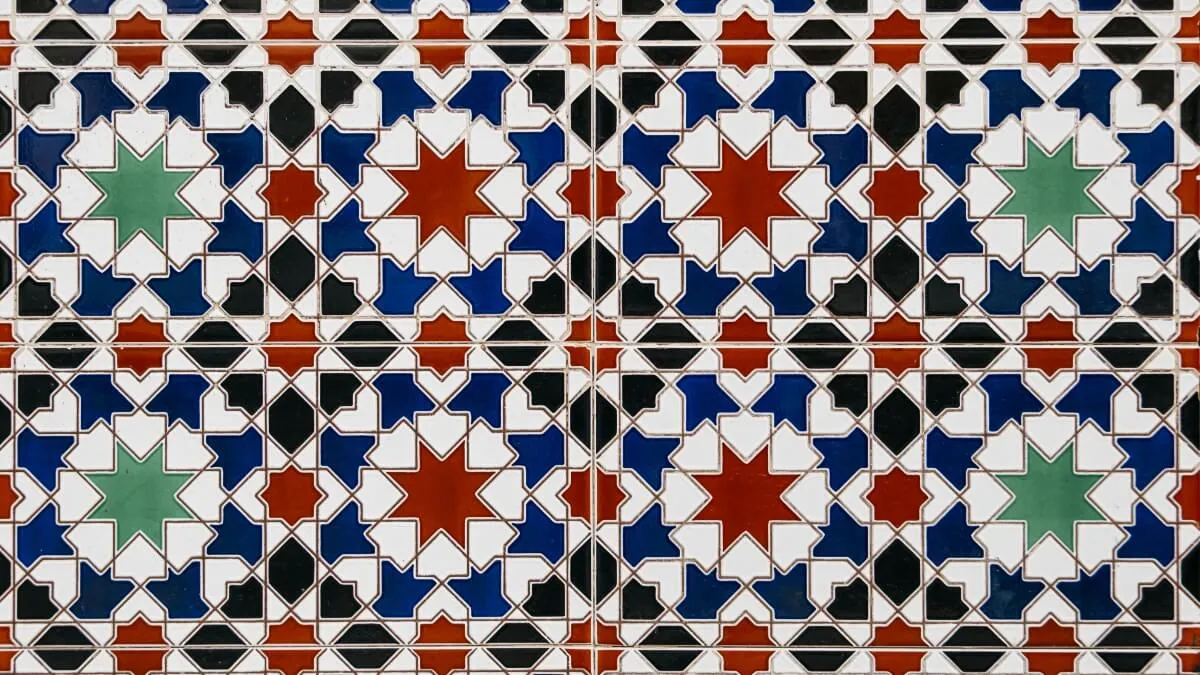
Morocco Seeks UNESCO Recognition for Zellige Mosaic
Morocco has recently taken significant steps to protect its traditional zellige mosaic, a quintessential aspect of its cultural identity, by appealing to UNESCO for its inclusion in the list of Intangible Cultural Heritage of Humanity. This move comes in response to Algeria's attempts to claim zellige as part of its own cultural heritage, a trend that has been observed with other Moroccan cultural symbols, such as the caftan and various traditional dishes. The Moroccan Ministry of Youth, Culture, and Communication is determined to secure international recognition for zellige, which is deeply ingrained in the country’s architectural and artistic heritage.
Zellige, characterized by its intricate geometric patterns crafted from small tiles, is extensively used in the decoration of mosques, madrasas, palaces, fountains, and historical homes, particularly in cities like Fez and Tétouan. Experts emphasize that zellige is much more than decorative art; it represents a sophisticated visual language that has been passed down through generations of artisans. This traditional craft is not only recognized through intellectual property frameworks, but the artisans dedicated to its creation actively preserve this heritage by imparting their skills to the next generation.
Diplomatic Efforts and Cultural Heritage
In its campaign for recognition, a Moroccan delegation has engaged with the interim Director-General for Culture at UNESCO, Lazare Assomo, and Fumiko Ohinata, the Secretary of the 2003 Convention. The meeting, organized by the Moroccan Ministry of Culture in collaboration with the State Secretariat for Traditional Industries and the Social and Solidarity Economy, was aimed at advancing Morocco's official claim for zellige as a genuine expression of Moroccan national heritage. The Ministry's statement noted that the discussions focused on reinforcing the promotion of zellige based on well-documented historical facts and the ongoing continuity of this esteemed craft.
Furthermore, the Moroccan delegation underscored the cooperative relationship between Morocco and UNESCO in safeguarding Intangible Cultural Heritage and expressed its commitment to actively defend Moroccan heritage against any misrepresentation or appropriation attempts. This assertion comes against the backdrop of rising tensions with Algeria, which Morocco accuses of attempting to usurp traditional national crafts and present them as its own. The rivalry has intensified, particularly in light of Algeria’s ongoing diplomatic disputes with Morocco over issues like Western Sahara.
The controversy surrounding zellige gained further attention in 2022 when the Algerian Football Federation, in collaboration with German sportswear giant Adidas, unveiled a pre-match jersey design inspired by Moroccan zellige. This led to an immediate backlash from the Moroccan government, which demanded the design’s withdrawal and threatened legal action against Adidas. The company ultimately acknowledged the inspiration from Moroccan artisans and expressed its respect for Moroccan culture.
Most recently, the anticipated release of Algeria's jersey for the upcoming 2026 World Cup has reignited tensions, as its design reportedly features patterns reminiscent of Moroccan zellige. In light of these ongoing cultural appropriation attempts, Morocco remains vigilant in its quest to protect its cultural heritage. Notably, a similar dispute concerning the Moroccan caftan was resolved favorably for Morocco in December, when UNESCO officially recognized the caftan as part of the Intangible Cultural Heritage following a favorable vote at a meeting in New Delhi.
As reported by atalayar.com.