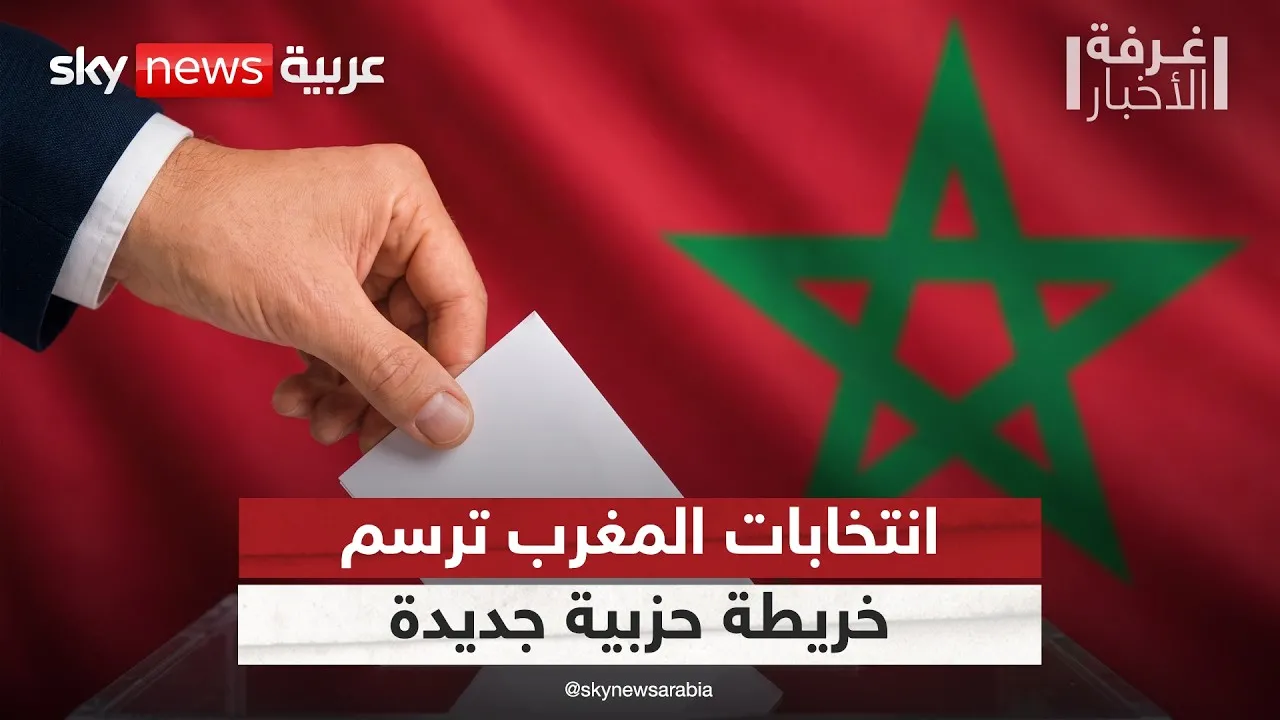

Morocco After Elections: A New Political Landscape
The recent elections in Morocco have ushered in a transformative phase within the country’s political framework, as new party dynamics emerge alongside significant challenges for the government. Kamel Habib, the national coordinator of the Electoral Observation Network, emphasizes that the low political participation rates, particularly among the youth, reflect underlying structural issues that both political parties and the state must address. This concern is echoed by Tarek Talati, president of the Moroccan Center for Strategic Studies and Research, who points out that the elections have highlighted an urgent need for fresh leadership capable of tackling both internal and external challenges.
Habib further notes the disappointing representation of women in the political sphere, advocating for measures to achieve gender parity in governance. Talati suggests that the newly formed parliamentary landscape is likely to lead to coalitions among parties, as they seek to secure a comfortable majority. This comes in the wake of a robust resurgence of the Justice and Development Party (PJD), which may pave the way for a strong opposition. The evolving political scenario necessitates that parties collaborate effectively, moving beyond traditional rivalries to foster a more unified approach to governance.
As Morocco navigates this new political terrain, it is crucial for all stakeholders to engage in meaningful dialogue and reform initiatives to enhance political participation and representation. The upcoming months will be pivotal in shaping the future of Moroccan governance, as the government seeks to establish a stable and inclusive political environment that resonates with all citizens.
As reported by youtube.com.