
Moroccan Youth's Absence in the Electoral Landscape
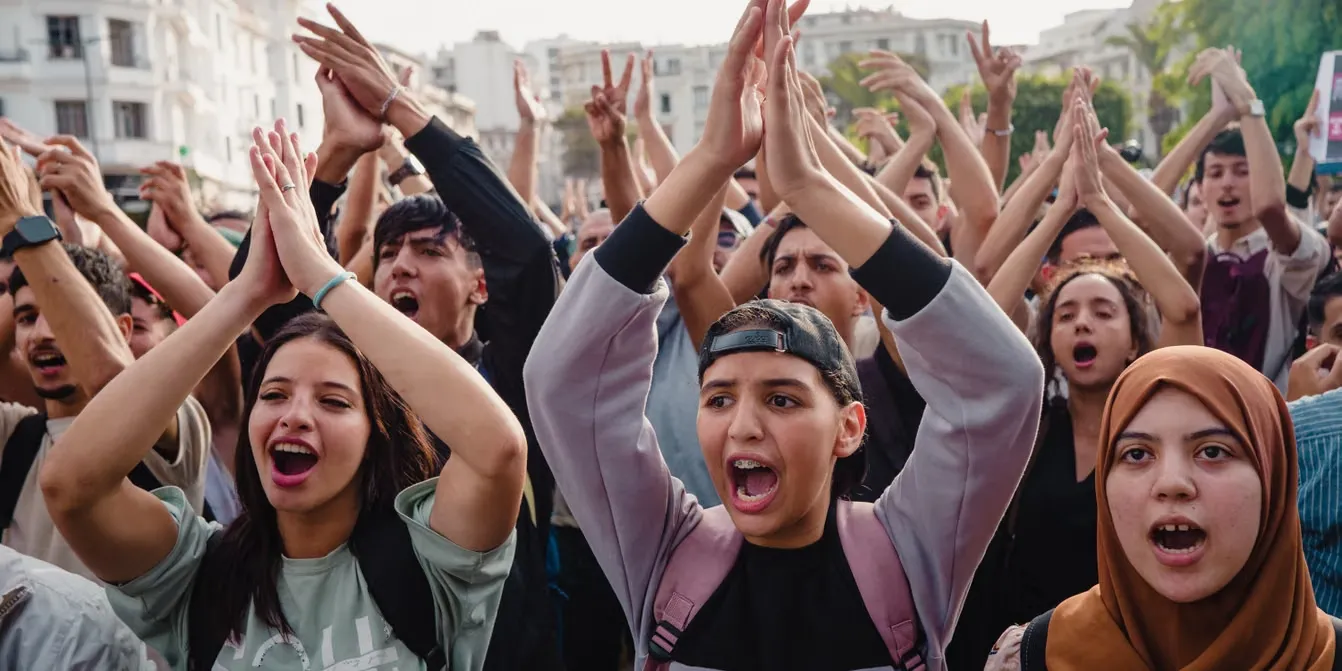
As the parliamentary elections in Morocco approach, scheduled for September 23, 2026, a glaring absence of young voices from the political arena has been noted. This demographic, particularly those under 30, has largely felt sidelined by political institutions and parties. Despite the earlier enthusiasm demonstrated by the Gen Z movement, which emerged last year advocating for improved education, healthcare access, and job opportunities, the momentum appears to have dissipated as the elections near. Instead of actively participating in the electoral process, many young Moroccans seem poised to express their disillusionment through significant abstention from voting.
The Gen Z movement, which gained traction with protests demanding the resignation of Prime Minister Aziz Akhannouch’s government, has been notably quiet in the lead-up to the elections. Despite the dramatic events of late July, when around 70,000 young individuals risked their lives to arrive in the Spanish enclave of Ceuta, there has been little influence on the political platforms of candidates vying for election. Mohammed, a 28-year-old computer engineer from Casablanca, encapsulates the frustration felt by many of his peers. "It's a huge farce. I won't be voting," he stated, reflecting a sentiment of disillusionment amongst those who had previously engaged politically. His refusal to participate in the elections stems from the arrests of fellow activists who had sought to voice their concerns and demands.
Such sentiments highlight a broader trend of disengagement among the youth of Morocco, raising critical questions about the future of political engagement in the nation. The lack of candidates representing this demographic further emphasizes the disconnect between young Moroccans and the political establishment. As the elections unfold, the anticipated low voter turnout among the youth could signal a pivotal moment for Moroccan politics, reflecting not only the disenfranchisement of a significant portion of the population but also the urgent need for political reform and engagement strategies that resonate with the younger generations.
As reported by lemonde.fr.