Failure of Moroccan Border Control Raises Concerns
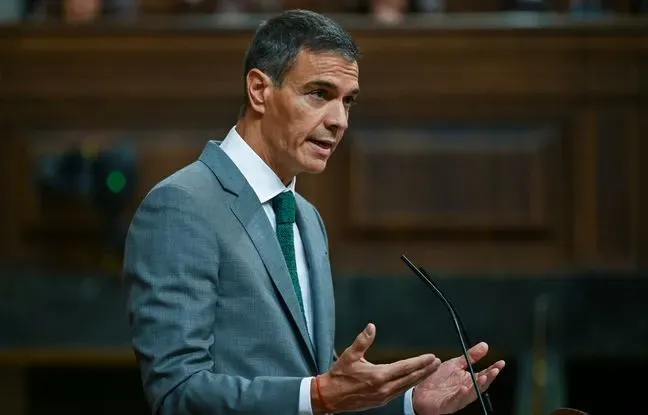
In a recent interview with CNN, Spanish Prime Minister Pedro Sánchez highlighted the failures of Morocco's border control mechanisms during a significant influx of migrants into Ceuta on July 30. He asserted that it is evident the system did not function effectively, leading to a situation that requires immediate attention and responses from Moroccan authorities. This statement comes as Sánchez participates in the opening of the new session of the United Nations General Assembly, where global cooperation on migration issues is paramount.
Sánchez emphasized the international scrutiny on the events in Ceuta, promising that Spain would uphold security and order while respecting human dignity. He stated, "We are returning to normality in Ceuta while simultaneously providing a legal framework for migrants who may have the right to international protection." This dual approach aims to address immediate humanitarian needs while re-establishing stability in the region.
Spain's Stance on Migrant Returns
Addressing the relationship with Morocco, Sánchez acknowledged the generally positive ties between the two nations but reiterated the necessity for Morocco to implement measures to prevent future incidents. He indicated that Spain is also conducting an investigation into the circumstances surrounding the migrant surge, asserting that both countries must collaborate to improve border management.
Furthermore, the Prime Minister underlined Spain's intention to return the majority of migrants who entered Ceuta back to Morocco, highlighting the need for cooperation in managing migration flows. He also pointed out that declassified documents indicate a lack of concrete evidence suggesting such a massive migrant entry was imminent, raising questions about the preparedness of Moroccan border controls.
Sánchez expressed disappointment over the insufficient solidarity Spain received from certain European partners regarding Ceuta's situation. He contrasted this with Spain's proactive support during other migration crises, such as those in Lampedusa, Italy, and the Greenland controversy, emphasizing the need for collective European responsibility in managing external borders.
As reported by efe.com.