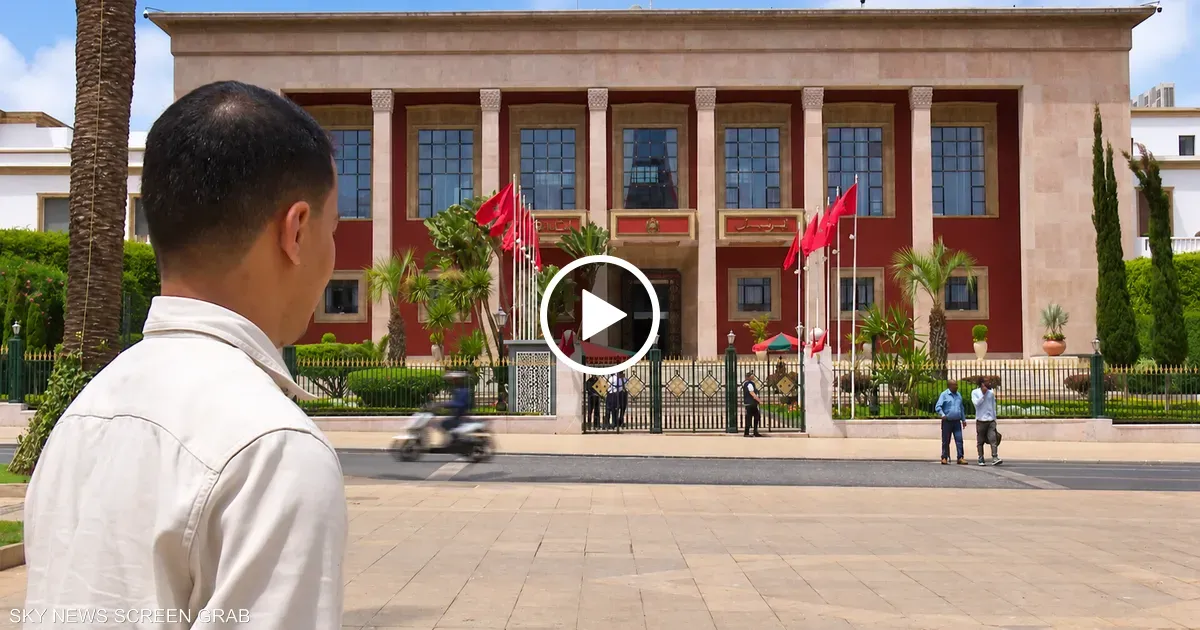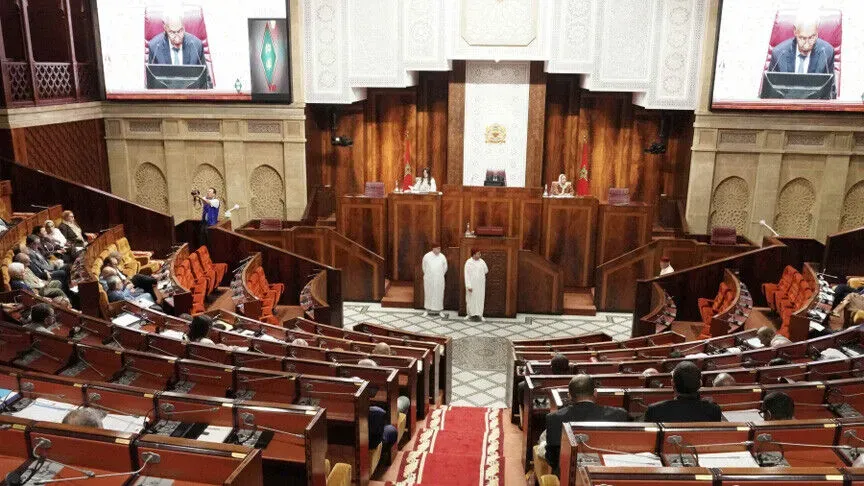

The political landscape in Morocco is witnessing an intense competition as various parties vie for a total of 395 seats in the upcoming parliamentary elections scheduled for September 23, 2026. With the campaigning period active until midnight on September 22, parties are focusing their efforts on key sectors such as health, education, and employment to attract the votes of the electorate, particularly the younger demographic.
A total of 27 political parties are participating in this electoral race, each striving to persuade voters of the effectiveness and relevance of their proposed programs. The official campaign kicked off on September 10 and is set to culminate in the voting process on September 23 when citizens will head to the polls to select their representatives in the House of Representatives, which is the lower chamber of the Moroccan Parliament.
Key Issues at Stake
The competition among Moroccan parties is largely centered around addressing the pressing needs of citizens in sectors such as health, education, and employment. Political analysts indicate that candidates must prioritize these areas in their campaigns to effectively resonate with voters. Abdelilah Daghamy, a political analyst, emphasized the importance of these sectors, stating that citizens are particularly concerned about improvements in health services and educational reforms.
As of July, the number of registered voters stood at approximately 15.8 million, highlighting the significant electorate that parties need to engage. Daghamy pointed out that the parties must pay particular attention to the demands of the 'Generation Z' youth in Morocco, whose voices have become increasingly prominent. He noted that in previous demonstrations, members of this generation have articulated various demands, particularly calling for reforms in education and health, and an end to corruption.
Engaging the Youth
The 'Generation Z' movement in Morocco has been active in advocating for change, organizing daily protests from late September to early October 2025, aimed at addressing critical issues within the country. This generation, which includes individuals born from the mid-1990s to the early 2000s, has grown up in the era of modern technology and the internet, making their demands for representation and reform even more urgent.
Furthermore, Daghamy highlighted the necessity for political parties to engage with this demographic, especially in light of recent events that have seen a significant migration of individuals towards Ceuta, a Spanish enclave in Morocco. This influx of nearly 70,000 irregular migrants has strained relations between Morocco and Spain, with the Moroccan government asserting that Ceuta and Melilla are occupied Moroccan territories.
In response to concerns surrounding electoral integrity, Moroccan Interior Minister Abdelouafi Laftit has committed to ensuring transparency in the upcoming parliamentary elections, recognizing that establishing clear rules is essential for a fair political process. The last parliamentary elections, held on September 8, 2021, resulted in the National Rally of Independents winning 102 seats, followed by the Authenticity and Modernity Party with 86 seats, and the Istiqlal Party with 81 seats. This led to the formation of a government coalition under the leadership of Aziz Akhannouch.
As Morocco prepares for this crucial electoral process, the emphasis on youth engagement and the prioritization of vital sectors may well determine the outcome of the elections and shape the country’s political future.
As reported by aa.com.tr.