
Concerns Over Germany's Development Assistance Reductions
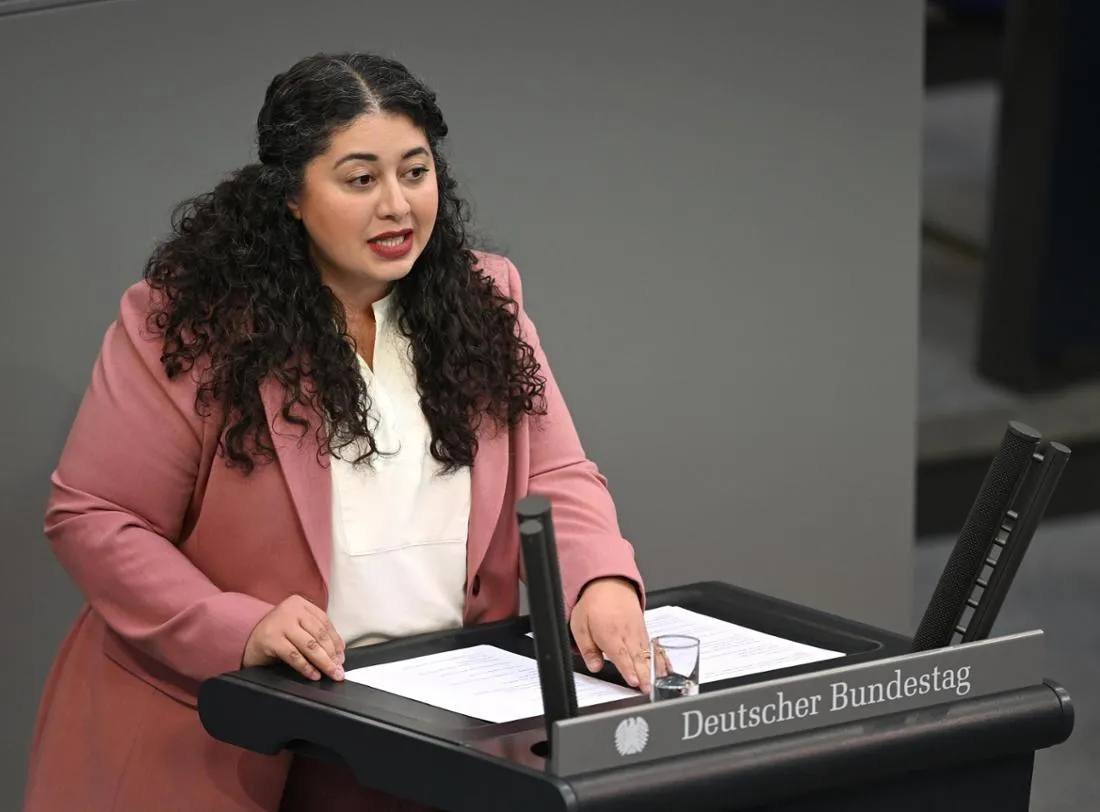
Sanae Abdi, a prominent development policy spokesperson for the Social Democratic Party (SPD) in Germany, has raised alarms regarding the potential consequences of further cuts to the country's development cooperation programs. In a recent statement, Abdi emphasized that a withdrawal from international engagement could not only threaten Germany's own interests but also exacerbate migration issues and allow nations like Russia and China to expand their influence over partner states. She passionately argued against the dissolution of the Federal Ministry for Economic Cooperation and Development, asserting that Germany's participation in global development is crucial for both humanitarian reasons and its own foreign and economic policies.
Abdi pointed out that the resources Germany saves through these cuts could ultimately lead to higher costs in the future if a significant number of people are forced to flee their countries due to worsening conditions or climate-related disasters. She highlighted that where Germany reduces its involvement, it creates a vacuum that countries like Russia and China are eager to fill. This perspective aligns with her belief that development cooperation is not merely a charitable endeavor but rather an essential component of Germany's strategic foreign relations. As an export-driven nation, Germany benefits from stable partnerships and robust trade relations, which are vital for its economic health.
Strategic Importance of Development Cooperation
In her remarks, Abdi contradicted the notion that development cooperation serves only humanitarian purposes, asserting that it has long been guided by national interests. She suggested that a clearer articulation of Germany's own interests could foster more transparent relationships with partner countries. Despite the government's recent reductions in development funding, which are expected to continue into 2027, Abdi criticized these measures as a significant misstep. She expressed skepticism about the likelihood of substantial increases in funding during upcoming budget negotiations.
The SPD has proposed measures to exempt certain development initiatives in Ukraine from the regular constraints of the debt brake, allowing these programs to be financed through loans, akin to specific military expenditures. Citing her own experiences, Abdi referred to the positive impact of German development cooperation in Morocco, her country of birth, where Germany has supported solar projects that contribute to renewable energy expansion.
Moreover, Abdi underscored the necessity for development cooperation to remain a distinct strategic tool, explicitly rejecting proposals to merge the Federal Ministry for Economic Cooperation and Development with the Foreign Office. She pointed to the British experience as a cautionary tale, arguing that such a merger would dilute competencies and undermine development goals. The German government is concurrently working on reforming its development cooperation strategy, with plans for implementation starting in summer 2027, which aim to reduce bureaucracy, enhance strategic focus, and prioritize hunger alleviation. While Abdi supports these initiatives, she warned against linking reforms to further budget cuts and called for closer alignment with European partners, increased responsibility for local actors in partner countries, and a more integrated approach to development, foreign, security, and economic policies.
As reported by merkur.de.