
Understanding the Discrepancy in Swimming Duration Claims
The recent coverage by Tagesschau has ignited a heated debate regarding the time it takes to swim from the Moroccan coast to the Spanish exclave of Ceuta, with claims suggesting it could take up to four hours. This assertion was made on July 31, coinciding with the arrival of thousands of migrants to Ceuta. Prominent right-wing politicians, including former AfD leader Georg Pazderski and co-founder Frauke Petry, quickly took to social media to challenge this claim. They shared a screenshot from the Tagesschau report alongside a graphic that indicates the swimming route merely requires crossing a short fence, thereby questioning the validity of the four-hour swimming duration. Petry has accused Tagesschau of disseminating fake news, while Pazderski has characterized it as manipulation. However, their arguments overlook a crucial detail: not all individuals seeking refuge are simply swimming around the border fence.
Tagesschau has firmly defended its statement, explaining that the reported duration is based on various sources, including eyewitness accounts and reports from news agencies like KNA. A spokesperson clarified that their use of the phrase 'can' and 'up to' indicates that swimming times may indeed be shorter. The variability in these time estimates has been noted by multiple outlets; for example, France24 quoted migrants stating that the swim time could be as little as two hours, while KNA reported durations reaching four hours. The British tabloid, The Sun, even referenced an individual who reportedly swam for six hours.
Analyzing the Geography and Conditions of the Journey
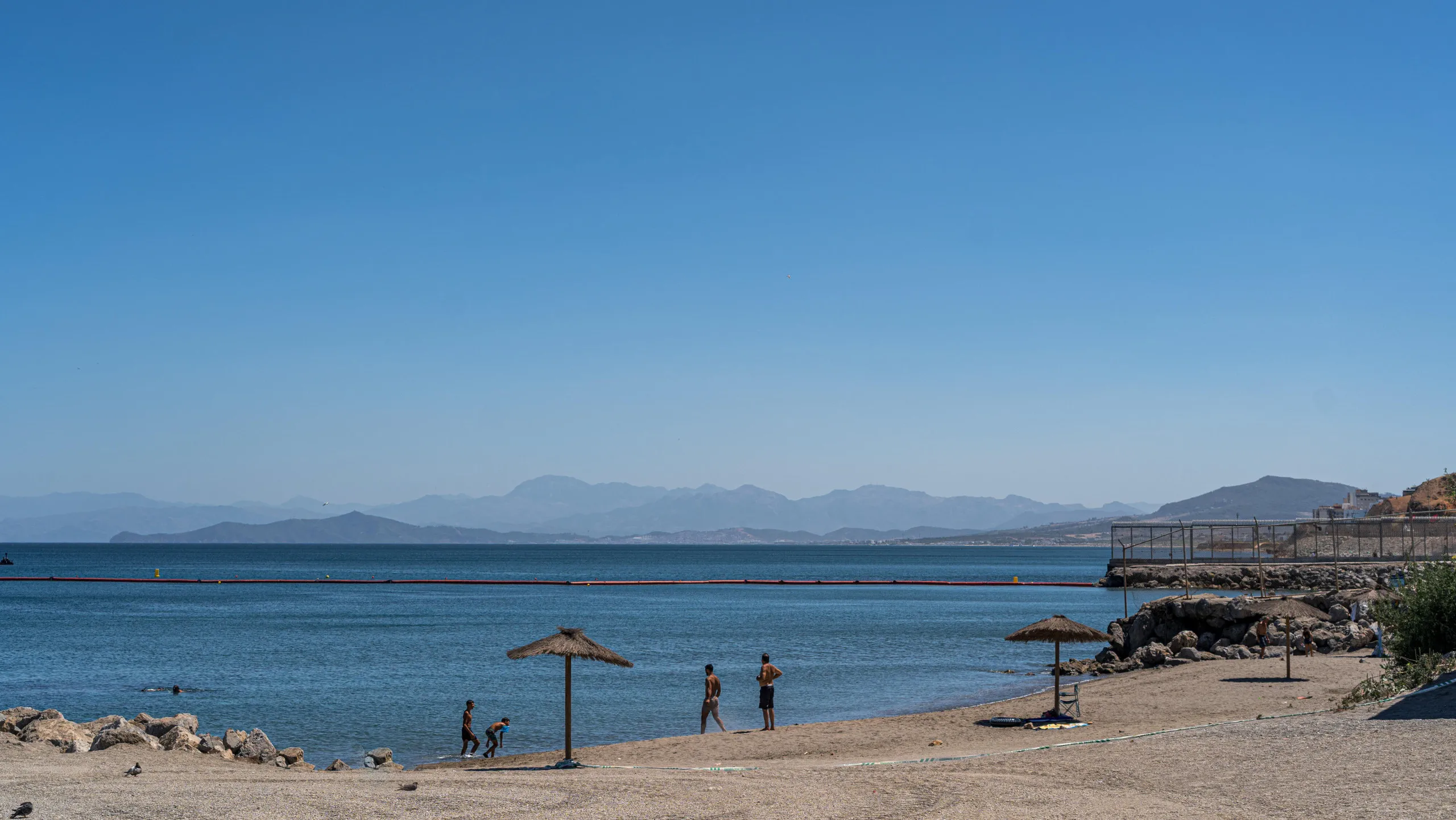
The southern border fence at Tarajal beach, which is central to these discussions, extends only a few meters into the sea, as evidenced by press photographs. The differing reports on swimming times can be attributed to the varying entry points into the water and specific destinations within Ceuta. Coral García Dorado, head of misinformation research at the Spanish fact-checking organization Maldita, confirmed that at the narrowest point, the physical distance between Moroccan and Spanish waters is minimal. Nevertheless, there exists a significantly longer route that involves swimming into open water, which is more hazardous and requires better physical fitness. On July 30, the majority of migrants opted for the shorter route, closer to the breakwater, which is under tighter surveillance; the open sea route, while potentially longer, presents greater risks.
In the aftermath of these events at the end of July, the border barrier has been expanded, with a new maritime barrier now extending 500 meters into the sea. Tragedy struck during the mass crossings, with at least 100 individuals reported deceased by early August. This catastrophic context has led to a surge of misinformation. As a result, the public is left grappling with conflicting narratives and the implications of these border crossings.
As reported by correctiv.org.