Feasibility of Morocco-Spain Tunnel Project Gains Momentum
Recent reports from German media indicate that the ambitious underwater tunnel project linking Morocco and Spain through the Strait of Gibraltar is becoming increasingly feasible from a technical standpoint. According to a feasibility study conducted by a specialized tunneling company in 2025, the project, despite facing significant challenges, is technically achievable. This monumental undertaking aims to enhance the direct connection between the African and European continents via a railway network, marking it as one of the largest strategic projects on the horizon.
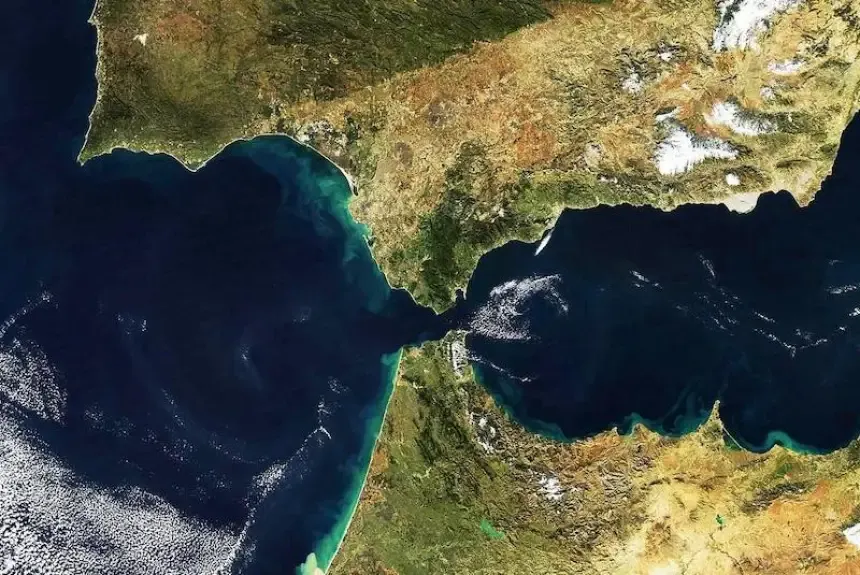
The German magazine “Tourenfahrer” highlights that the study confirms the project’s viability, yet emphasizes that the commencement of construction is contingent upon securing the necessary funding, which could range between 15 to 20 billion euros. The anticipated timeline for project completion is expected to extend until at least 2035. The proposed tunnel would stretch approximately 40 kilometers, linking the Punta Paloma region in southern Spain with the Malabata area in northern Morocco, reaching depths of up to 475 meters below sea level. The initiative also plans to construct two parallel tunnels designated for the transportation of both passengers and cargo, thereby reducing transit times to about 30 minutes, a significant decrease compared to the current maritime transport duration of over an hour.
While the promising nature of this project is evident, it does encounter complex technical challenges, including unstable geological conditions in certain areas of the strait, seismic activity, and high maritime traffic density. Nevertheless, experts assert that establishing this continental link could profoundly transform transportation and trade dynamics, reinforcing Morocco's position as a strategic hub between Europe and Africa.
As reported by akhbarona.com.