Assessing the State of Moroccan Football After the 2026 World Cup
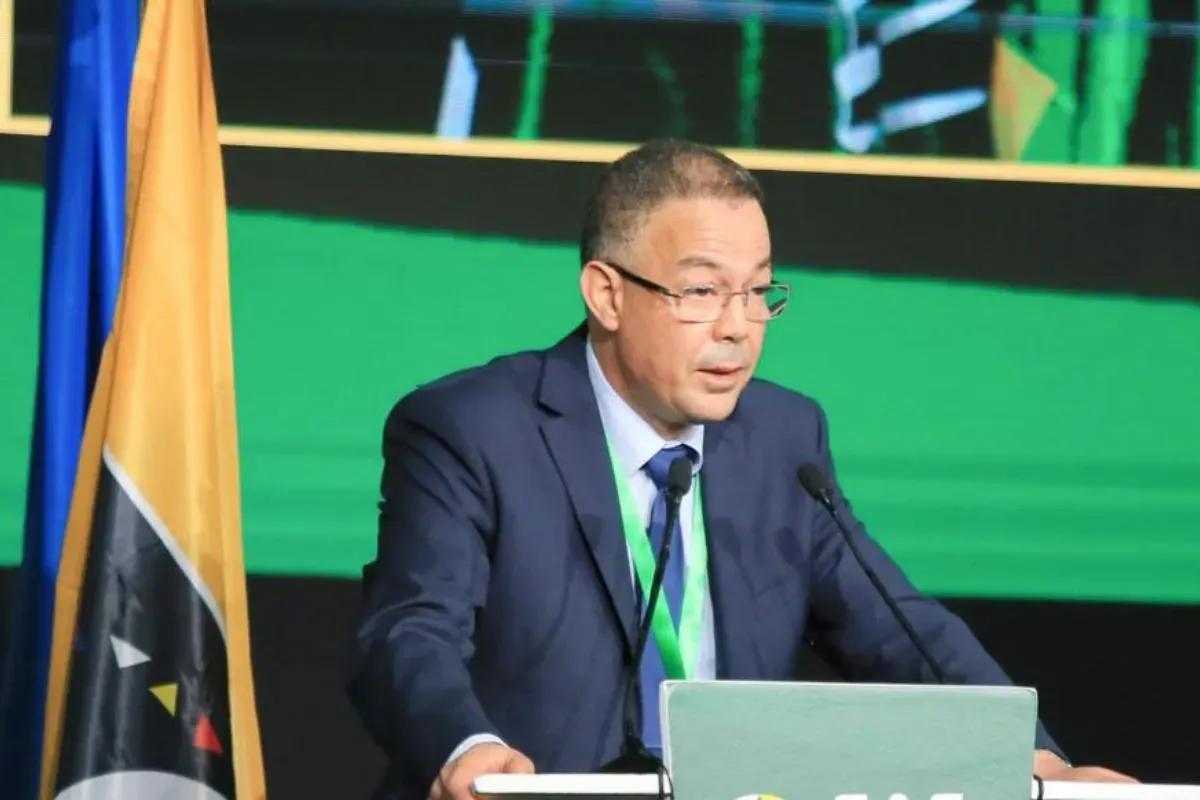
Following Morocco's impressive performance in the 2026 FIFA World Cup, where the national team reached the quarter-finals and is currently ranked sixth in the FIFA standings, there are underlying issues that have raised concerns among football officials. Fouzi Lekjaa, President of the Royal Moroccan Football Federation (FRMF), has highlighted a critical weakness within the national team structure that could have long-term implications for the sport in the country. Despite the recent successes, Lekjaa has pointed out a significant reliance on players who are primarily based abroad, which could jeopardize the future of Moroccan football if not addressed.
The Diminishing Role of Local Talent
During a recent meeting in Rabat with coaches from both the first and second divisions, Lekjaa expressed alarm over the growing disparity between players from the domestic league, known as Botola, and those who play in foreign leagues. He lamented the fact that, from the squad that represented Morocco in the last World Cup, only two substitute goalkeepers hailed from the national league, with no local players occupying midfield or forward positions. This stark contrast to previous years, when the domestic league supplied entire teams, raises questions about the current development of local talent in Morocco.
This trend is also evident in the youth ranks. For instance, in the U23 and U17 teams, most key players emerge from European academies or the Mohammed VI Academy, with only a handful representing local clubs. This reliance on foreign training facilities underscores a pressing need for Moroccan football to revitalize its domestic player development systems. Fathi Jamal, the FRMF's Director of Technical Development, echoed these concerns, noting that the U18 team currently competing in Spain features twenty players from local systems, yet very few have received adequate playing time in Botola, with only clubs like Raja and Wydad occasionally providing them with minutes on the pitch.
Moreover, the Union Touarga has played a pivotal role in bridging the gap for young players transitioning from academy life to professional football. A notable example is Tawfik Bentayeb, who excelled in France's Ligue 2 as the top scorer during his loan spell at Troyes last season and is expected to return to Europe soon. Such instances highlight the potential of local talent but also the systemic challenges that prevent these players from thriving in their home country's leagues.
Lekjaa's assertions extend beyond player development; he also indicated the urgent need for reforms within Moroccan football. Financial difficulties faced by clubs, ongoing disputes with FIFA, and persistent issues surrounding officiating and governance contribute to a challenging environment for local clubs. With just four years remaining until the 2030 World Cup, he emphasizes that a new strategic plan must be established in collaboration with coaches and club presidents to ensure that more young talents are incorporated into the first and second divisions.
While Morocco currently shines on the international stage, there is a looming risk that its footballing success may increasingly hinge on talents developed in foreign leagues if immediate actions are not taken to strengthen the domestic framework.
As reported by afrik-foot.com.