
The Allure of Morocco: A Cultural and Historical Tapestry
Morocco has long been a subject of literary fascination, with numerous writers delving into its rich cultural heritage and the diversity of its lifestyles and customs. The unique characteristics that define Morocco can be observed in its geographical, linguistic, architectural, and historical attributes, all of which continue to thrive in the everyday lives of its people. Many of these literary explorations stem from a blend of tourism and a profound admiration for the country’s social and cultural traits, alongside a more politically driven narrative that veils colonial aspirations under the guise of literary or scientific inquiry.
A Saudi Writer's Reflections on His Moroccan Journey
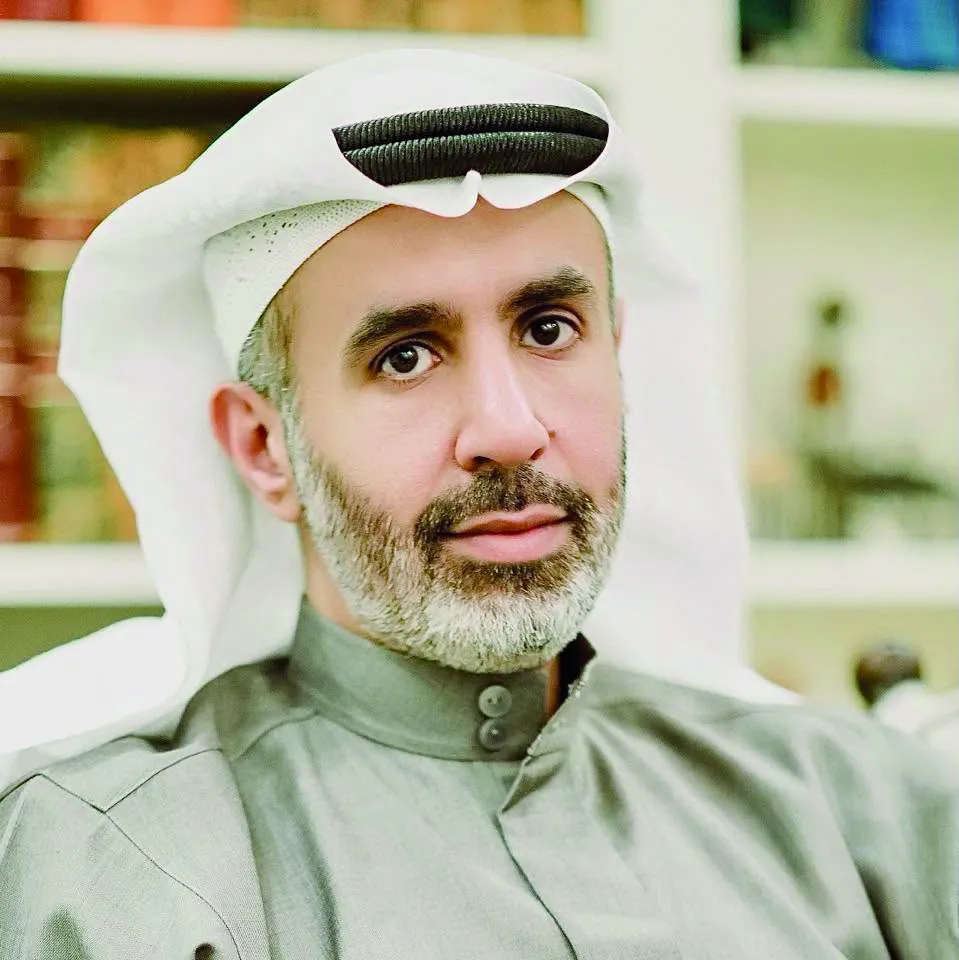
In his captivating account of his journey to Morocco, Saudi writer Nawaf Al-Qudaimi shares his initial ambivalence about the trip, overshadowed by a compelling desire to uncover the social, cultural, and political nuances of Morocco beyond what mainstream media or academic studies can portray. Upon arriving in Casablanca, he noticed a striking resemblance to many European cities, with the streets becoming notably quieter after 9 or 10 p.m., enveloping the city in a calm, relaxed atmosphere. His exploration led him to a cafe that intrigued him, where stories, jokes, and discussions flowed freely among the patrons.
Determined not to miss out on the iconic sights, Al-Qudaimi set his sights on Marrakech, famously known as the heart of Morocco. His decision to visit was made easier by the well-connected railway system, which facilitates travel between major cities. Upon arriving at the Jemaa el-Fnaa square, he was immediately swept away by the vibrant atmosphere, reminiscent of scenes from a historical film, as he navigated through the throngs of people surrounded by ancient buildings, lively food stalls, and various cultural performances. The square was a medley of laughter, excitement, and the essence of Moroccan life.
As he wandered through the square, he indulged in local delicacies and marveled at the street performers. The heart of Marrakech revealed a modern face with luxurious hotels and bustling markets, yet Al-Qudaimi yearned for the charm of the old city. His exploration of the ancient Medina showcased a labyrinth of narrow streets lined with centuries-old buildings, where over a hundred thousand residents live amidst the lively souks that preserve the authentic Moroccan heritage.
One striking observation during his visit was the prevalence of motorbikes, a common sight in Marrakech, where women, including those in hijabs, rode with ease—an uncommon sight in other Moroccan cities. Seeking authenticity, he found a popular local restaurant that offered traditional Moroccan dishes, immersing himself in the culinary delights of the region. After his meal, he retreated to a cafe overlooking the square, where he took a moment to reflect and write about the captivating ambiance that surrounded him.
Al-Qudaimi's vivid description of the square captures the essence of Marrakech, where the echoes of history reverberate through the bustling crowds and the vibrant displays of culture. His narrative reflects on the timelessness of the scene, where the essence of Morocco seems to transcend the grip of globalization, allowing visitors and locals alike to feel connected to a rich tapestry of tradition and life. Amidst the chaos and joy of the square, the spirit of Marrakech thrives, inviting all to embrace its charm and vitality.
As reported by alakhbar.press.ma.