
Morocco's Ambitious Preparations for the 2030 World Cup
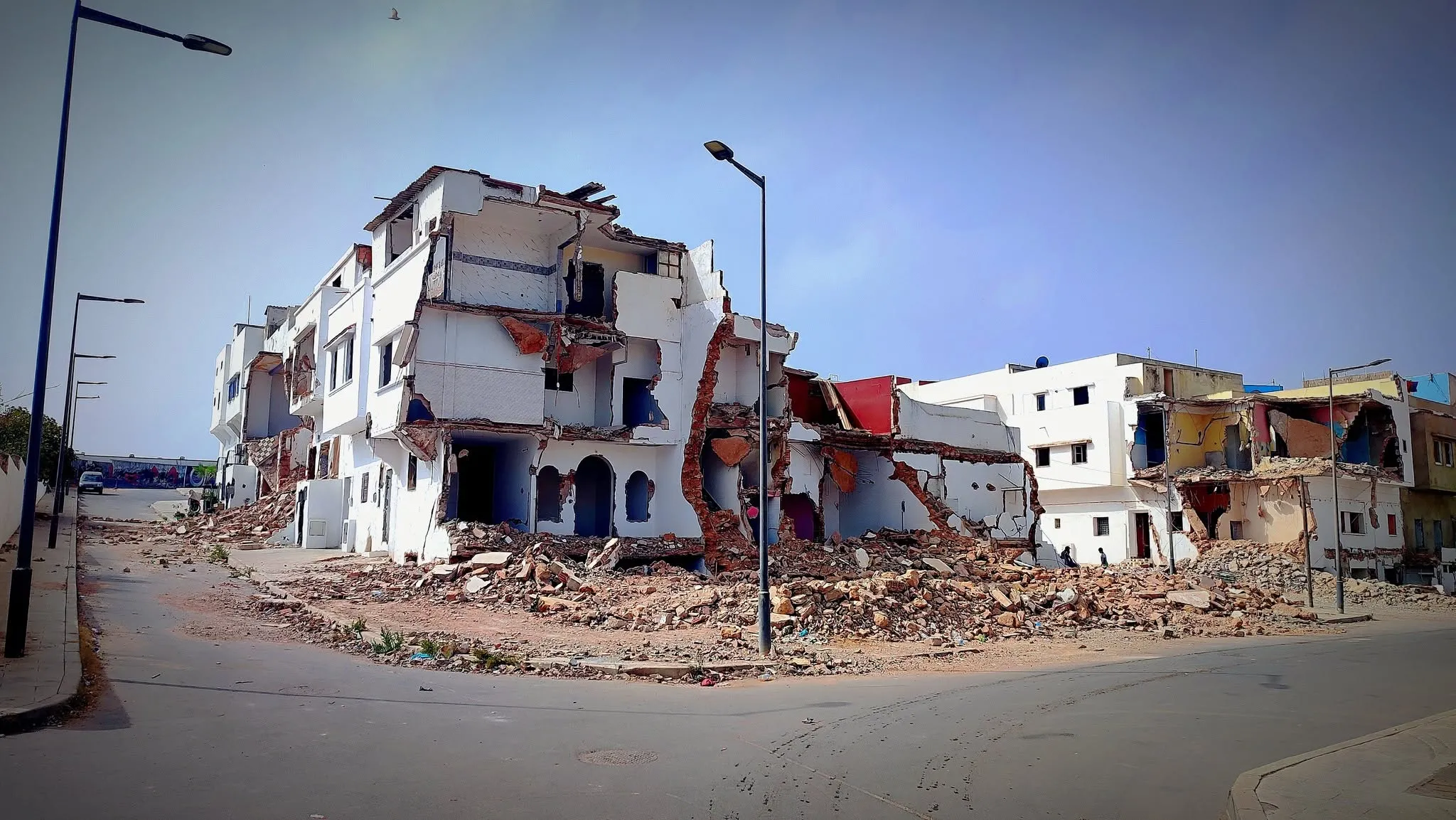
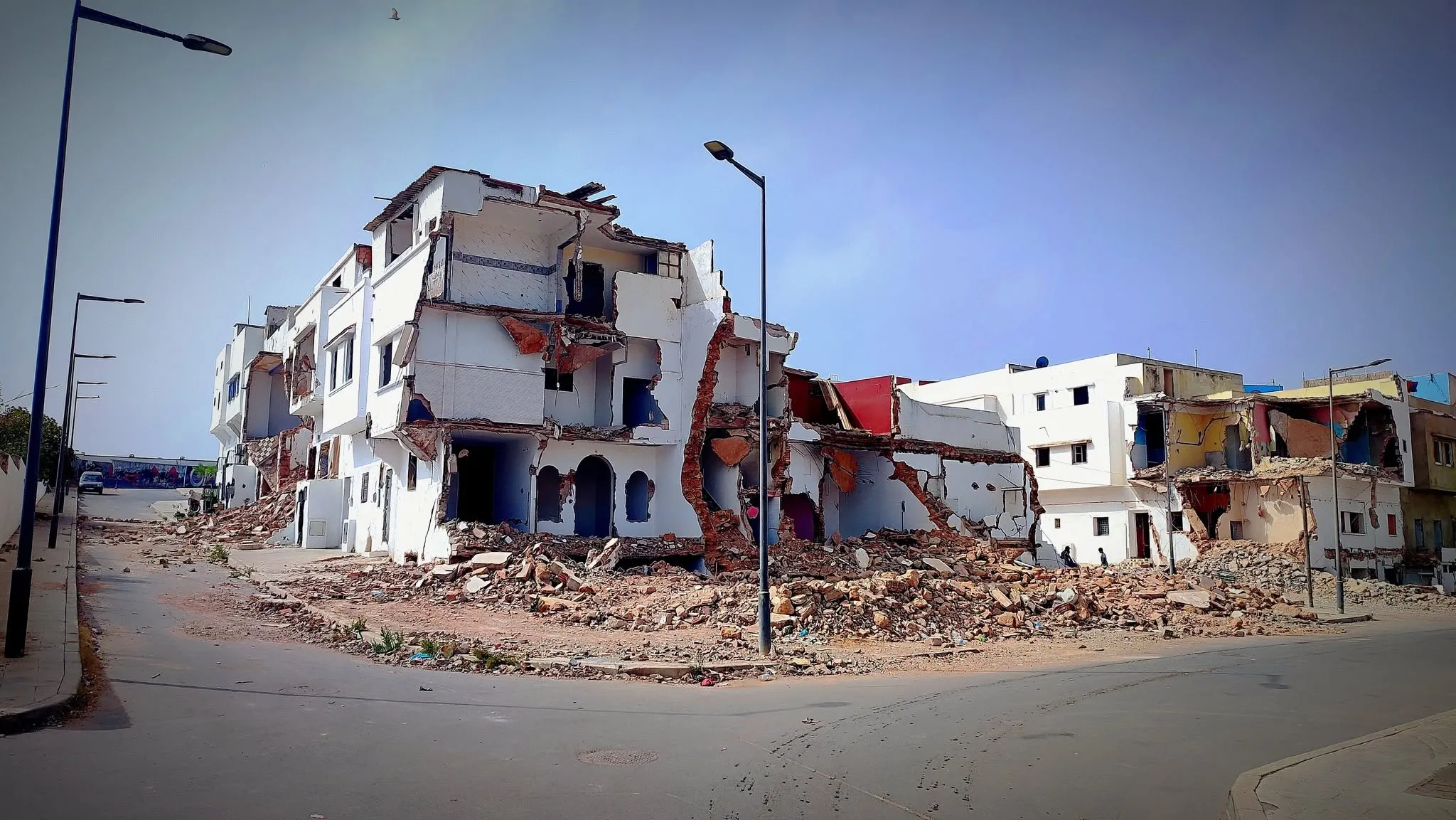
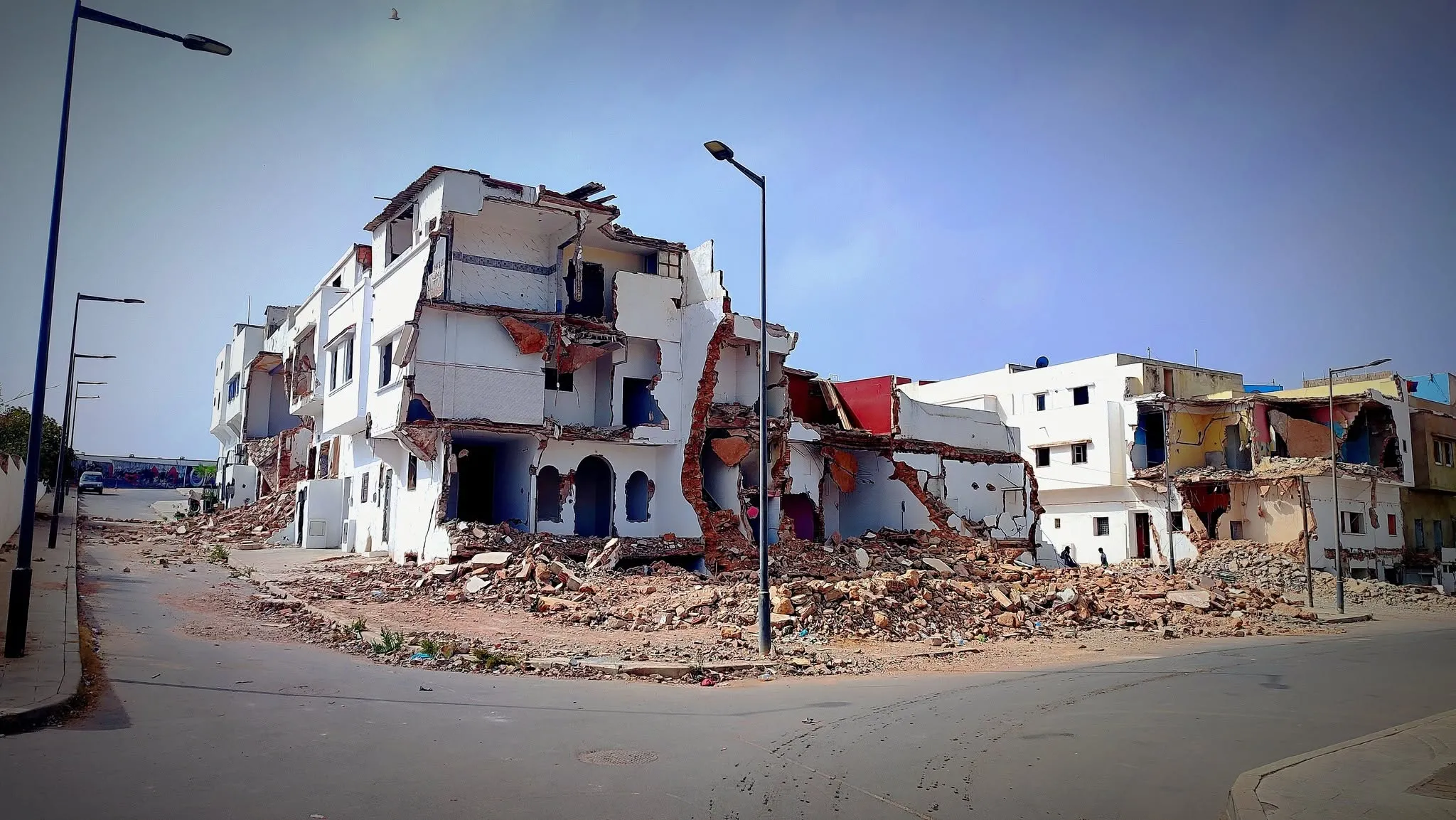
As Morocco gears up for the 2030 World Cup, the nation is undertaking extensive urban development that transcends the mere construction of stadiums and hotels. The focus extends to significant residential neighborhoods that are either being demolished or rehabilitated in major cities such as Rabat, Casablanca, and Marrakech. The rapid transformation of several Moroccan cities is driven by the need for infrastructure upgrades and urban renewal, which includes not only sports facilities and transportation networks but also the reshaping of entire residential areas. This endeavor is reshaping the urban landscape of several Moroccan cities, raising important questions about the impact on displaced residents, the adequacy of compensation, and the social ramifications of such large-scale relocations.
Social Costs and Urban Restructuring
The Moroccan authorities present these urban renewal projects as necessary steps towards modernizing cities and alleviating inadequate housing conditions. However, the demolition and expropriation processes have sparked significant concerns among local communities regarding the fate of relocated populations and the adequacy of the compensation offered. In cities like Casablanca, substantial demolitions have affected historic neighborhoods, particularly within the framework of the "Mohammed V Boulevard" project, which aims to connect the city center with the iconic Hassan II Mosque. Residents and local activists argue that this wave of demolitions is a direct response to the upcoming World Cup, although local officials assert that the project had been in planning for years and that the World Cup simply expedited its implementation.
In Rabat, the historic Al-Muhit neighborhood has witnessed major demolitions aimed at transforming the city into a more appealing capital as it prepares to host the World Cup. Similarly, in the tourist city of Marrakech, various neighborhoods, including the well-known Youssef Ben Tachfine area, have undergone extensive renovations, resulting in the relocation of inhabitants to new residential spaces. Thousands of residents in densely populated neighborhoods are bracing for similar changes as preparations for the World Cup continue, with the same situation unfolding in nearby cities like Salé.
While the demolition of specific residential areas and the rehabilitation of others lead to the relocation of residents, the offered financial compensation, intended to cover rental costs for a certain period, often falls short of expectations, particularly among homeowners. Many resort to protests or legal action in pursuit of fairer compensation. Moreover, the social costs associated with such urban transformations extend beyond the physical destruction of homes. Families face the upheaval of their daily lives as they are forced to leave neighborhoods where they have built long-standing social ties and community interactions.
According to social economist Mohamed Majdoul, the hidden social costs of preparing for the 2030 World Cup are significant, as families find themselves unexpectedly uprooted. These costs manifest not only in the loss of physical homes but also in the disruption of established social relationships and the valuable local connections that have developed over years. The transition to new residential areas—often farther from previous neighborhoods—entails additional travel expenses and time commitments, complicating daily lives and potentially leading to job losses for individuals who must change their workplace due to relocation.
Majdoul emphasizes that the transformation of neighborhoods like Al-Muhit in Rabat and the old city of Casablanca represents more than just urban development; it signifies the loss of rich social memories and community cohesion that these areas have historically fostered. The real costs of hosting the World Cup entail much more than the number of homes demolished or families relocated. They encompass lost time, potential income, and the disintegration of social bonds, thus highlighting the complex nature of urban renewal efforts.
Conversely, urban development advocates argue that the changes associated with the World Cup could provide a unique opportunity to accelerate the modernization of Moroccan cities. Social researcher Karim Ayash suggests that the preparations for the 2030 World Cup represent a historic chance to enhance urban landscapes, pushing cities toward more modern, balanced, and sustainable models. Urban renewal projects, along with the expansion of transport networks and improvement of public spaces, could ultimately enhance the appeal of cities like Rabat, Salé, Casablanca, and Marrakech, improving the quality of life for their residents in the long term.
However, Ayash underscores the importance of respecting the rights of affected residents. He stresses the need for transparent communication with communities and their involvement in decisions regarding their futures, ensuring fair compensation and appropriate housing alternatives before relocation occurs. A social approach must also prioritize maintaining the social ties of displaced families and ensuring proximity to schools, workplaces, and healthcare services.
In conclusion, the urban projects associated with the 2030 World Cup have the potential to positively reshape Moroccan cities, transforming them into more organized and integrated spaces. Nonetheless, Morocco's ambitions should not be limited to successfully hosting a global sporting event; they should also focus on constructing modern cities that prioritize citizens' rights to adequate housing within urban development processes.
As reported by independentarabia.com.