Discover the Enchantment of Jemaa el-Fna
On May 2, 2026, the UNESCO World Heritage site of Jemaa el-Fna continues to captivate visitors as a lively marketplace in Marrakech. This iconic square, known internationally as Djemaa el-Fna, invites you to partake in an unforgettable experience that embodies the vibrant rhythm of Morocco, where day seamlessly transitions into night. From snake charmers and spice stalls to mesmerizing acrobatic performances, Jemaa el-Fna is the pulsating heart of the city, allowing you to immerse yourself in the essence of North African culture. As you plan your visit, get ready to dive into this cultural whirlwind and create lasting memories.
As reported by ad-hoc-news.de.
A Cultural Melting Pot of Experiences
Situated centrally in the old town of Marrakech, Jemaa el-Fna is adjacent to the bustling Medina, which is also recognized by UNESCO. The square greets you with a surge of energy upon arrival; merchants call out their wares, musicians play vibrant rhythms, and the aroma of grilled meats mingles with fragrant incense. In the evenings, this square transforms into an open-air theater, making it an ideal destination for both families and solo travelers alike. A leisurely stroll during sunset is particularly rewarding when the minarets of the nearby Koutoubia Mosque are bathed in golden light, casting a magical glow over the scene.
As a perfect starting point for exploration, Jemaa el-Fna allows visitors to easily reach the Medina's souks or the stunning Bahia Palace, a masterpiece of Moorish architecture, within minutes on foot. This proximity to such cultural highlights ensures that your day transitions seamlessly from the bustling market atmosphere to encounters with Morocco's rich heritage.
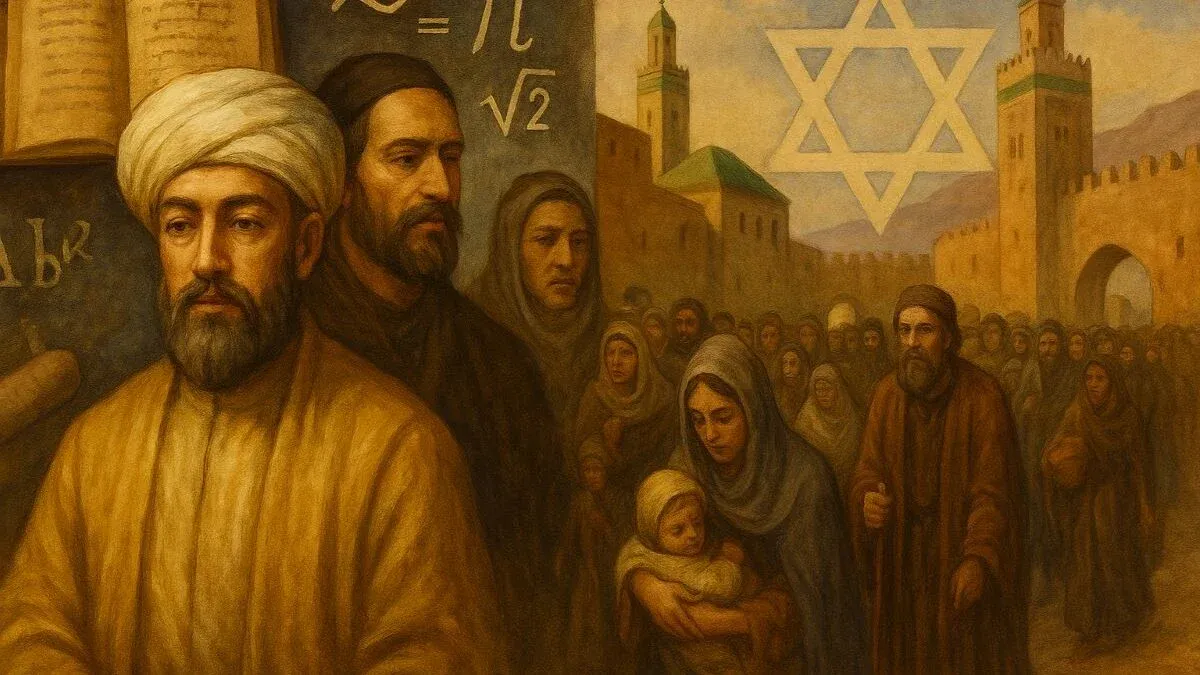
The origins of Jemaa el-Fna date back to the 11th century during the Almoravid period. Initially a gathering place for various activities, it served as a market, a court, and even a site for executions, hence its name, which translates to “Assembly of the Mosques” or colloquially, “Place of the Dead.” Over the centuries, it has evolved into a symbol of Moroccan tolerance, where Jewish, Berber, and Arab cultures converge. Today, it stands as a testament to Morocco's vibrant oral traditions, with storytellers perpetuating folklore that has been passed down for generations.
Its recognition as an Intangible Cultural Heritage by UNESCO in 2001 underscores its global significance. Having weathered wars, colonial periods, and modernization, Jemaa el-Fna remains the heartbeat of Marrakech. Visitors can benefit from guided tours that unravel the layers of history and provide context to the surrounding Medina museum.
The allure of this square lies in its chaotic mix of cultures: during the day, acrobats from the Gnaoua tradition take center stage, while in the evening, traditional water bearers and mobile dentists add to the vibrant scene. The square is pedestrian-only, enhancing the immersive experience, and every corner holds surprises, from henna artists to monkey handlers, providing a sensory overload that is utterly captivating.
With snake charmers located at the edges of Jemaa el-Fna, they draw visitors into their mystical world, seamlessly integrating into the overall ambiance of the square. Their performances with cobras and the enchanting sound of flutes evoke ancient rituals, making it essential to set aside time for respectful observation—an experience that is especially rewarding for photographers and cultural enthusiasts, particularly in the cooler morning hours.
Dynamic acrobatic performances by young artists also contribute to the lively atmosphere, creating a festive and adrenaline-fueled environment that delights families. Incorporating this into your itinerary is highly recommended, especially in the evening when lights enhance the performances, and children's laughter fills the air.
For real-time updates and live broadcasts from the square, Jemaa el-Fna is quite active on social media. Official channels provide glimpses into the vibrant night markets and festival highlights, keeping you informed about seasonal events.
The square is accessible year-round, without an entrance fee. As of May 2, 2026, there are no COVID-related restrictions, but tipping (5-20 MAD) is customary. The best times to visit are in spring (March to May) or autumn, avoiding the sweltering summer heat that can exceed 40°C. A taxi ride from Marrakech Menara Airport takes about 20 minutes, costing approximately 150 MAD.
Approaching Jemaa el-Fna through the Medina entrances sets you up for a pedestrian-friendly experience, with taxis or the blue tram stopping nearby amidst a lively street atmosphere filled with carts and bicycles. This route is particularly convenient if you're carrying luggage—park at the outskirts of the Medina and walk the final stretch.
The golden hours starting at 5 PM make Jemaa el-Fna a highlight of your day, smoothly transitioning into the night market. As twilight descends, the scene bursts into a kaleidoscope of colors and sounds, providing the perfect backdrop for relaxed strolls. Prioritizing this experience will maximize your immersion, regardless of the season.
Avoid tourist traps like overpriced henna stalls—ask locals for authentic recommendations instead. When photographing, be discreet, as artists may prefer to pose. For a budget-friendly meal, try Chez Chegrouni for delicious tagines (50 MAD), tucked away in a corner.
Stand No. 14, known for its snail soup, is an insider's secret tucked within the food market. The spicy broth simmering in steaming pots creates an inviting, smoky atmosphere far from the crowds. Dining here offers an authentic, affordable, and hygienic local experience—perfect before the main evening bustle kicks in.
The elevated balcony of Café des Épices provides a panoramic view of the square, making it an excellent addition to your exploration. Enjoying tea while taking in the scenic vistas creates a tranquil oasis amidst the chaos. This spot is ideal for capturing epic sunset photographs and soaking in the view.
Nearby, the Bahia Palace and the souks beckon with their charm of lamps and carpets. For an authentic overnight stay, consider the Riad Kniza, which combines luxury with an enviable location. Savor a Moroccan breakfast in a serene atmosphere, complete with a courtyard and pool, providing a relaxing retreat after the day’s excitement. This accommodation is perfect for couples or families seeking a central yet peaceful sanctuary.
Nomad offers a modern take on Moroccan cuisine from its rooftop, rounding off your day perfectly as part of the evening routine. Fusion dishes like lamb tagine, accompanied by views of the bustling crowd, create a festive vibe. Make reservations for sunset to enjoy the best experience—lunch specials are also affordably priced.
Jemaa el-Fna epitomizes the essence of Morocco: raw, authentic, and transformative. It bridges history and modernity, inviting repeated visits. For culture enthusiasts, it is an essential destination that offers experiences beyond typical tourism.
For more reports and updates on Marrakech and Morocco, we recommend searching for Jemaa el-Fna on Ad Hoc News.