
EU Home Affairs Ministers Avoid Discussing Moroccan Role in Ceuta Crisis
In a recent emergency video summit, EU home affairs ministers convened to address the escalating crisis in Ceuta, a Spanish territory bordering Morocco. This meeting took place after nearly 72,000 individuals crossed into Ceuta, only to be swiftly returned to Morocco within a day. Logically, one would expect discussions to focus on the underlying reasons that allowed such a massive influx of people to occur, particularly the involvement of Moroccan authorities. However, the ministers intentionally sidestepped any inquiries into this critical issue.
The primary motivation behind the summit appeared to be damage control, as EU leaders sought to project an image of unity amidst a glaring lack of consensus on the matter. Notably, Morocco’s role in the crisis was conspicuously absent from the discussions, a decision reportedly influenced by Spain’s concerns regarding potential repercussions from Rabat. This unwillingness to confront the facts has sparked significant outrage among politicians in Spain, who feel that the EU is failing to show solidarity in addressing the crisis.
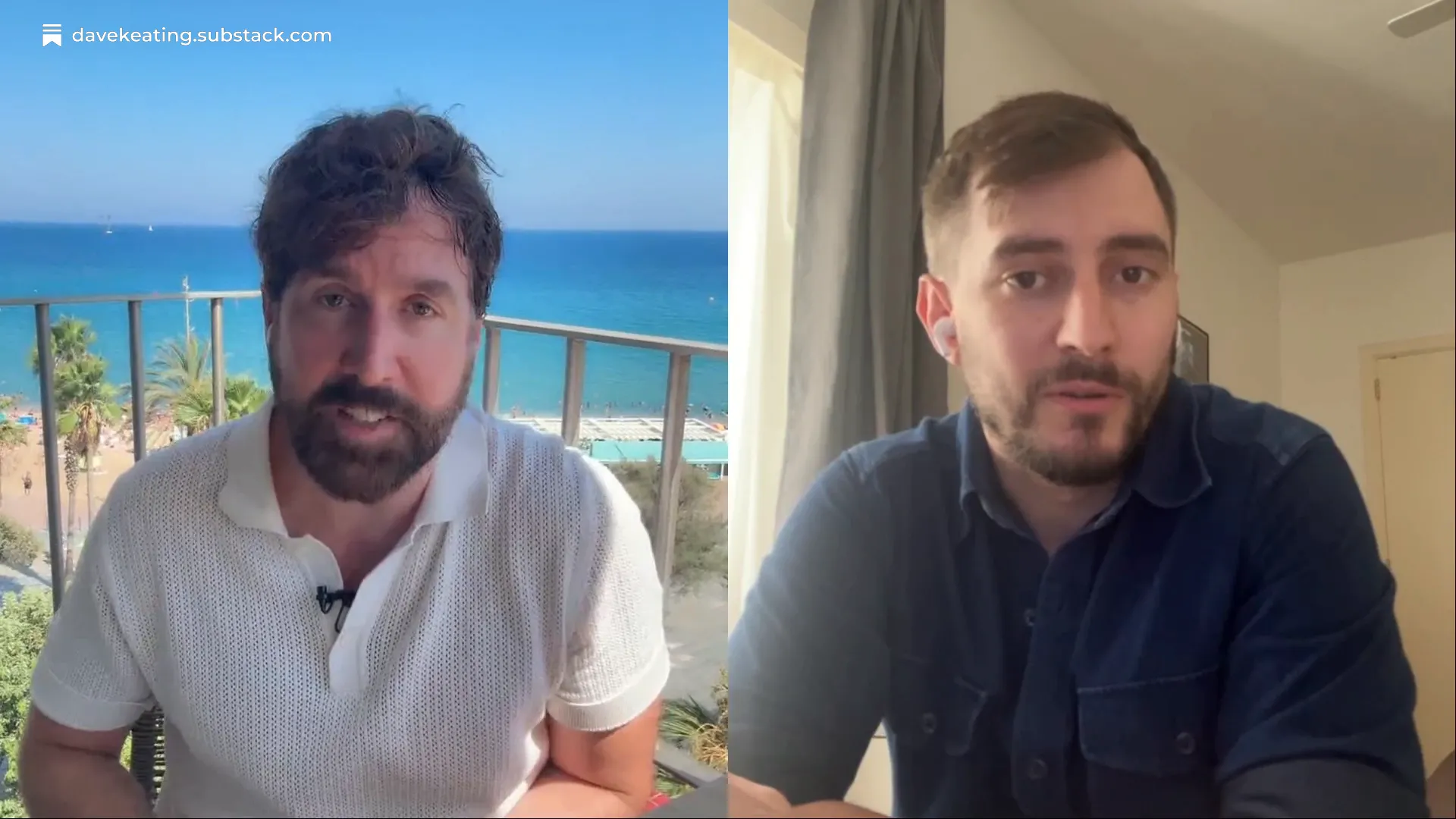
In a joint discussion, Julien Hoez and I have expressed our dismay at the EU's handling of this situation. Based on my interactions in Spain, there is palpable anger directed at the European Union for its lack of support and accountability. Julien's analysis in The French Dispatch further explores the theory that this situation may represent a hybrid attack orchestrated by Morocco. He raises critical questions about why European nations are not only refraining from investigating these claims but are also continuing to financially support Morocco in light of the ongoing crisis.
As reported by davekeating.substack.com.