
The Migration Surge at Ceuta: A Critical Examination
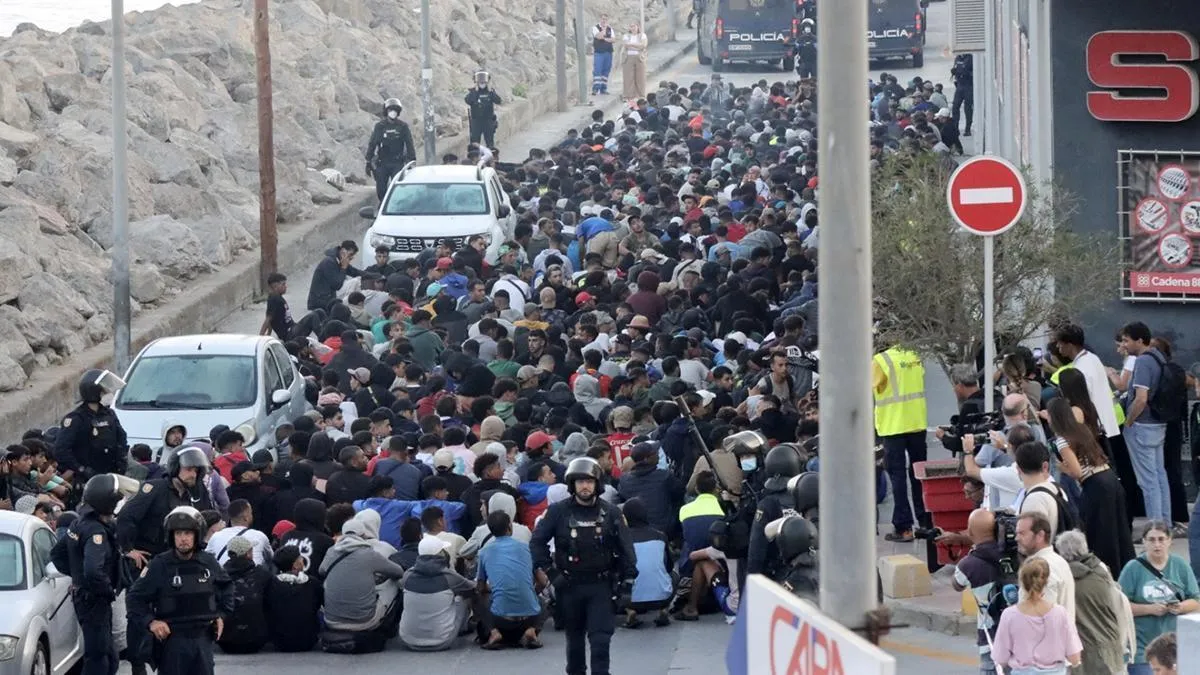
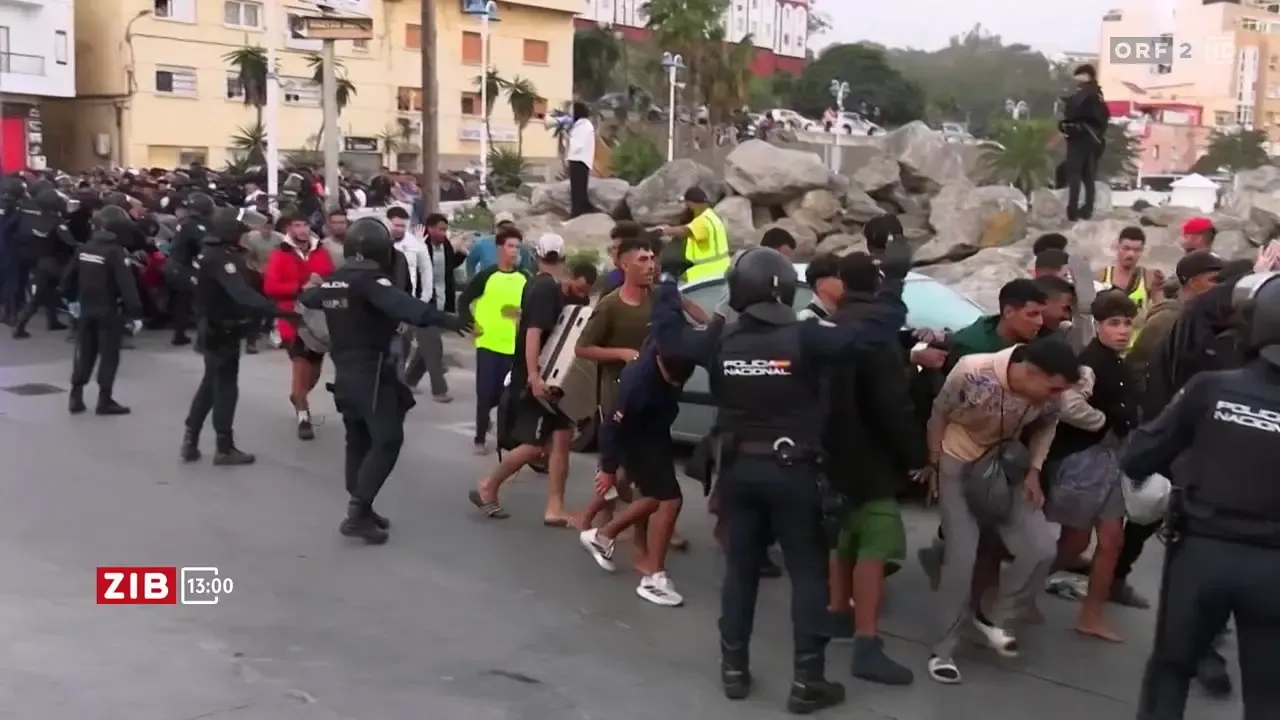
In recent months, the small Spanish enclave of Ceuta has found itself at the center of a significant migration crisis. Nearly two months ago, over 70,000 individuals attempted to cross the border from Morocco into the European Union via Ceuta. This unprecedented wave of migration has tested the limits of the EU's immigration policies and has raised critical questions about the humanitarian response to such situations. While many of those who crossed the border were returned to Morocco, thousands have remained in Ceuta, creating a complex and pressing situation that requires urgent attention from European authorities.
During a recent address in Madrid, EU Migration Commissioner Magnus Brunner highlighted the lessons that must be learned from this crisis as it continues to unfold. Despite the discussions and analyses, the situation in Ceuta remains tense, with ongoing concerns about the welfare of those who have stayed and the broader implications for EU migration policy. The influx of migrants not only challenges local resources but also complicates the political landscape, as European nations grapple with how best to respond to such humanitarian crises while maintaining border security.
The long-standing issues surrounding migration into Europe are further exacerbated by geopolitical tensions and economic disparities. As the EU seeks to strike a balance between compassion and control, the case of Ceuta serves as a stark reminder of the human stories behind the statistics—stories of desperation, hope, and the relentless pursuit of a better life. Going forward, it is imperative that European leaders address the root causes of migration and work collaboratively to implement sustainable solutions that respect human rights and dignity.
As reported by on.orf.at.