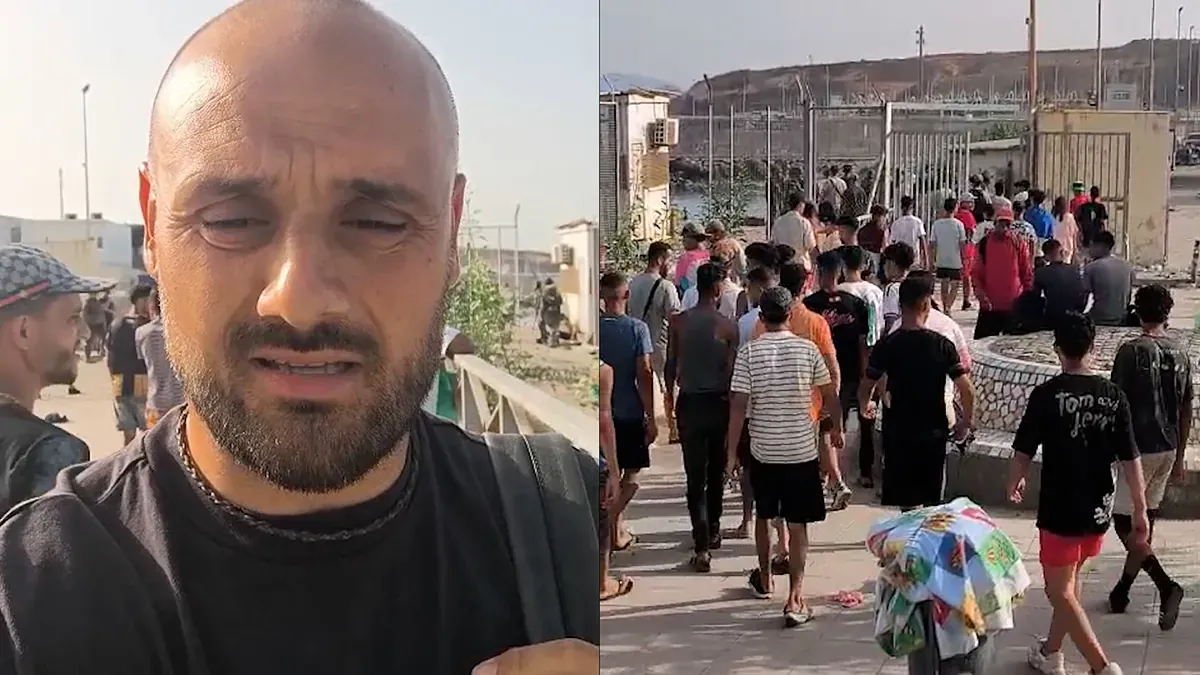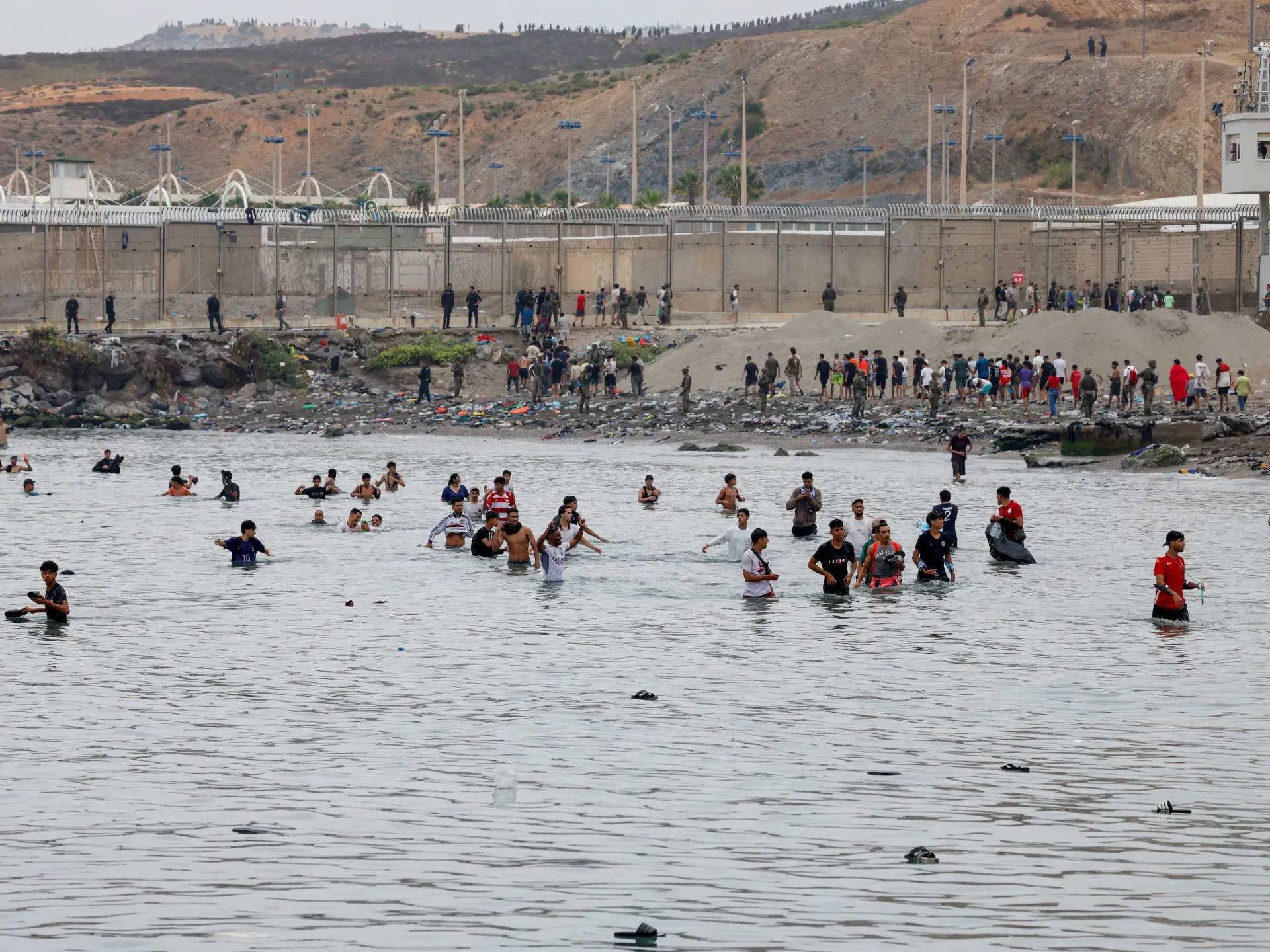
The Independent has reported on the unprecedented influx of thousands of irregular migrants from Morocco into the Spanish city of Ceuta, emphasizing that this situation should not be viewed merely as a local border crisis or an isolated incident. Instead, it should be recognized as an international humanitarian emergency that reflects the complexities of global migration issues, necessitating a coordinated collective response from Spain, the European Union, and neighboring countries. The British newspaper highlighted that the scenes witnessed in Ceuta, including breaches of border barriers and attempts to swim across using inflatable rafts, reveal the depth of human tragedy, with at least 57 lives lost, including unaccompanied minors, some of whom left Morocco without their families' knowledge.
Unprecedented Pressure on Authorities
According to the editorial, the arrival of approximately 60,000 individuals to Ceuta, a city with a population of just 85,000, within a span of two days, has created an unprecedented strain on Spanish authorities. This overwhelming situation prompted the government to deploy military forces to manage the crisis while the European Union reiterated the importance of safeguarding its external borders. The editorial cited European Commission President Ursula von der Leyen's assertion that the situation is "unacceptable" and emphasized that entry into the European Union must adhere to established migration rules, highlighting Brussels' commitment to border control policies.
The Independent also examined the political reactions surrounding the crisis, including calls to suspend the Schengen Agreement, despite the fact that Ceuta and Melilla do not fall within the Schengen Area. The proximity of these cities to European shores complicates the situation, although the emergency agreement reached between Madrid and Rabat to return large numbers of arrivals to Morocco has helped alleviate some aspects of the crisis.
Complexities and Misconceptions of Migration
Recent events have unveiled the limitations of security measures at Ceuta's borders, acknowledging that its geographical nature makes complete control challenging. Historical disputes between Morocco and Spain regarding sovereignty over Ceuta and Melilla further complicate the crisis and hinder cooperation between the two nations in managing migration issues. The newspaper warned that intense media focus on Ceuta might distort the actual migration landscape to Europe, noting that larger numbers of migrants are reaching Spanish territories via the Canary Islands and the Balearic Islands, and that most individuals who entered Ceuta are likely to return to Morocco or be deported to other destinations.
Additionally, data from the European agency Frontex indicates a 25% decrease in irregular crossings over the Mediterranean compared to 2025, reflecting some success in European policies aimed at curbing migration flows. The Independent concluded that the Ceuta crisis underscores the ongoing complexities of migration as one of the most intricate international issues, asserting that it cannot be addressed through quick fixes or political slogans. Instead, a comprehensive approach is required, balancing border protection with the economic needs of the labor market and a commitment to humanitarian principles and human rights. Ultimately, it emphasized that migration, despite its associated chaos and challenges, remains a phenomenon that can yield economic and social benefits for host countries if managed with balanced and organized policies, a reality that the Ceuta crisis does not change.
As reported by aljazeera.net.