Recent Developments in Ceuta Amidst Migration Surge
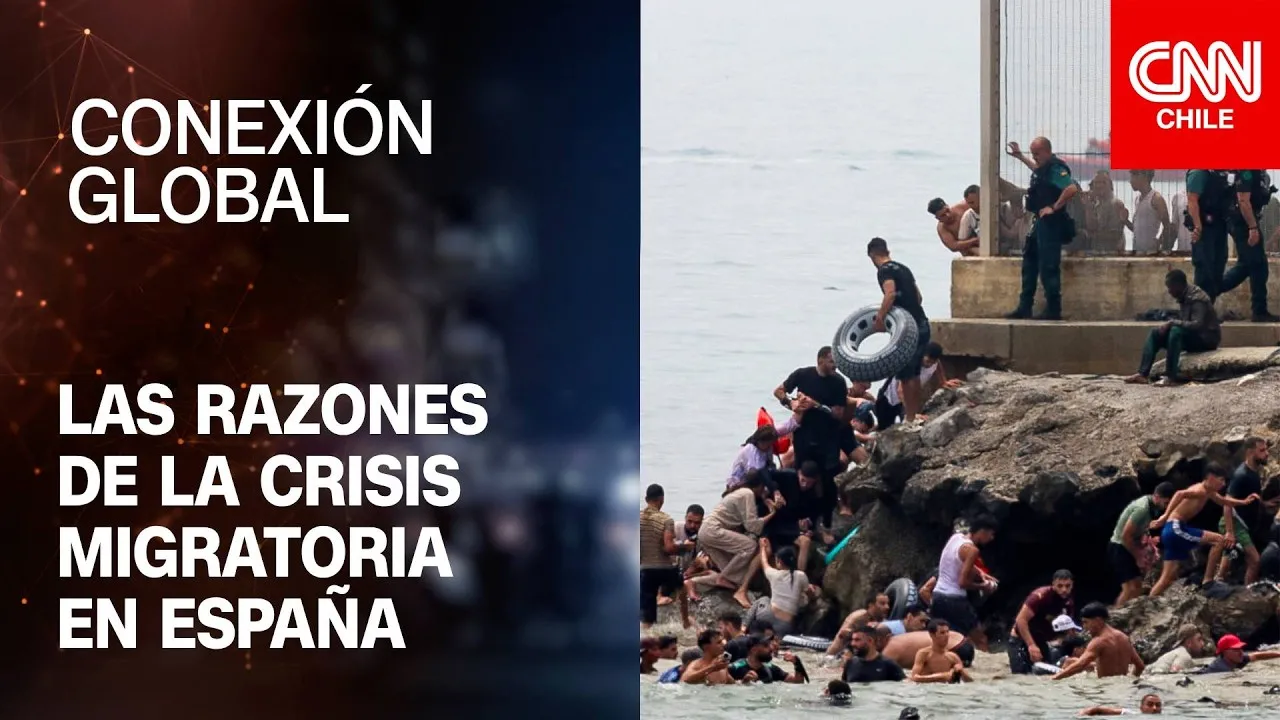
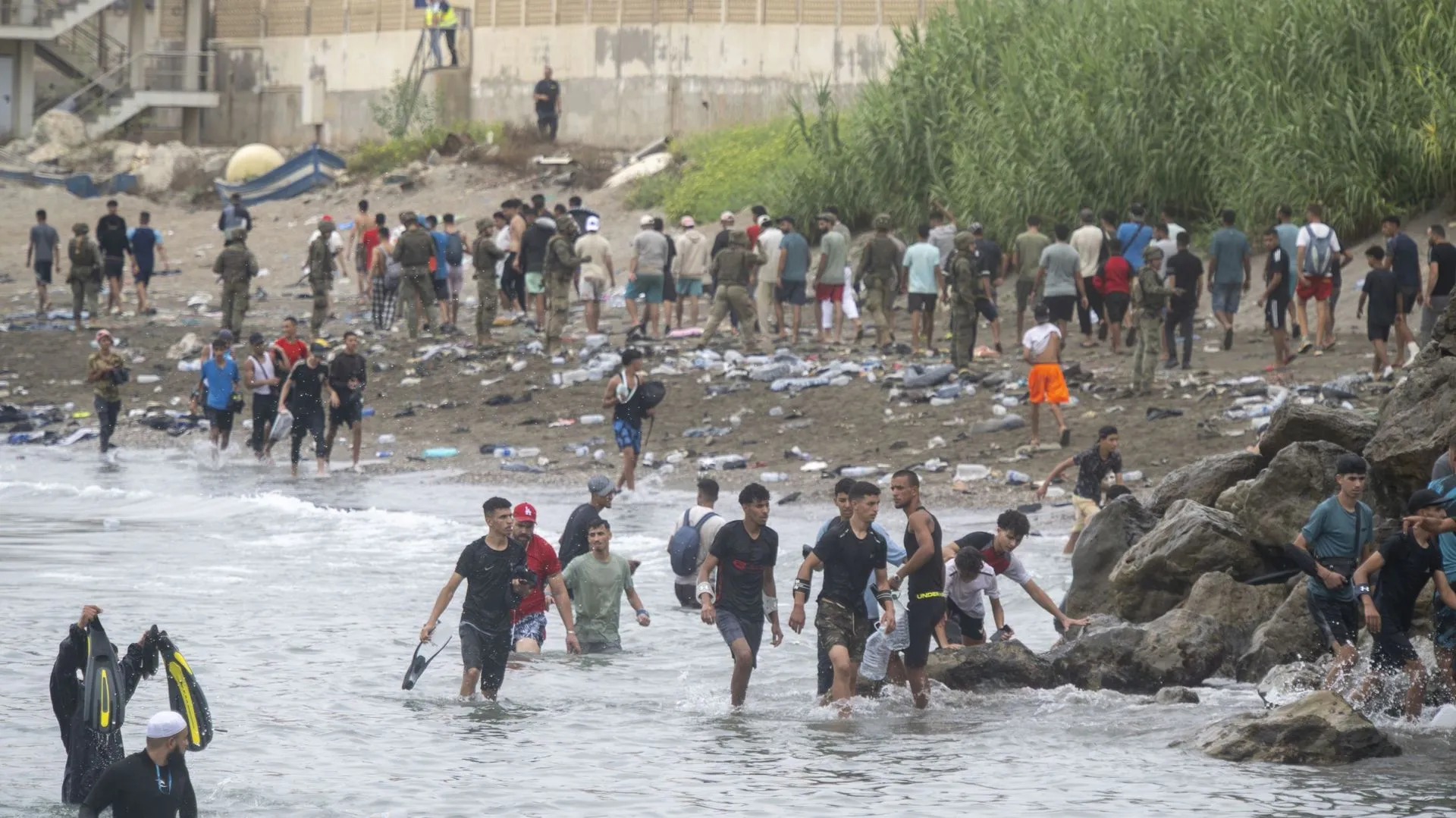
In a significant turn of events, tens of thousands of migrants have temporarily arrived in Ceuta, a Spanish enclave located in North Africa. While Ceuta is part of the European Union and the Schengen Area, it operates under special regulations that require thorough checks for individuals traveling from Ceuta to mainland Spain or other Schengen countries. Typically, within the Schengen Area, people can travel without identity checks at internal borders, but the recent influx has prompted heightened scrutiny. According to the Spanish Ministry of the Interior, as of the latest update, over 48,000 individuals have returned to Morocco, reflecting the ongoing challenges and complexities of managing migration in this sensitive region.
Understanding the Context and Implications
The situation in Ceuta highlights the broader issues surrounding migration policies and security in Europe. The enclave serves as a critical gateway for many individuals fleeing difficult circumstances in their home countries. However, the sudden increase in arrivals has led to heightened tensions, with reports of unrest and altercations involving migrants and local authorities. The debate surrounding migration is fraught with varying opinions, revealing deep societal divides regarding the best approach to these humanitarian and security challenges.
Discussions on social media and news platforms reflect a wide range of sentiments, from calls for more humanitarian assistance to criticisms of government policies perceived as inadequate. The complexity of these issues necessitates a nuanced understanding of both the immediate circumstances faced by migrants and the broader implications for European policies on migration and asylum.
As reported by instagram.com.