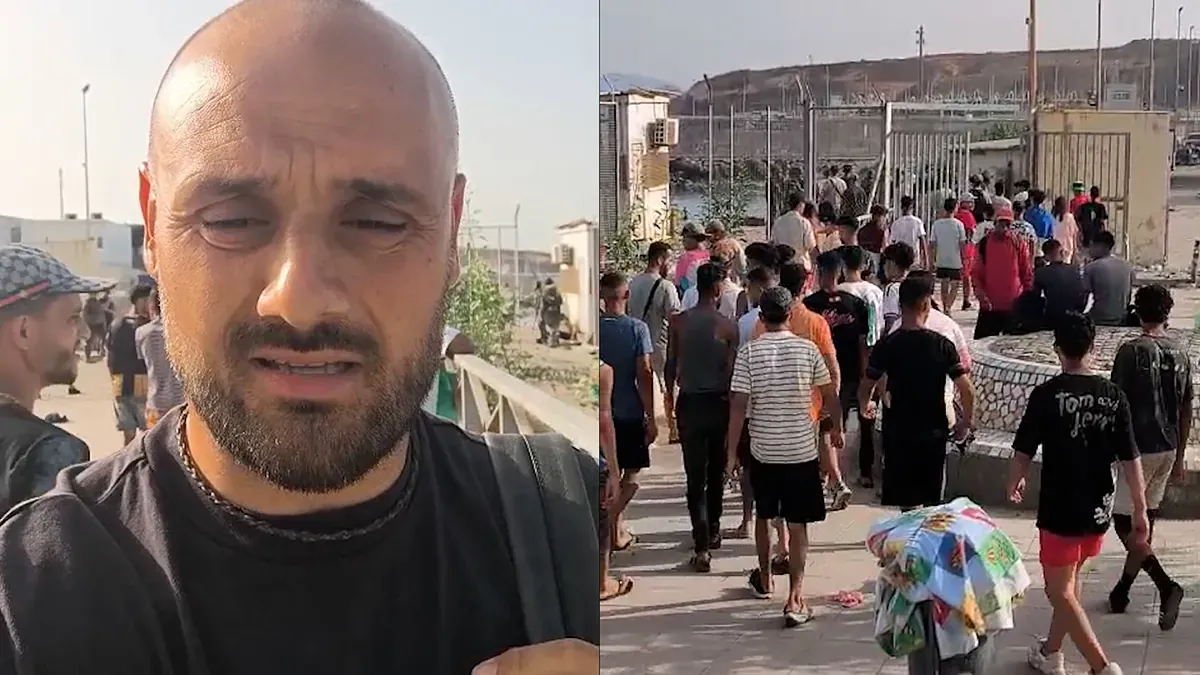
The Bittersweet Journey Back Home
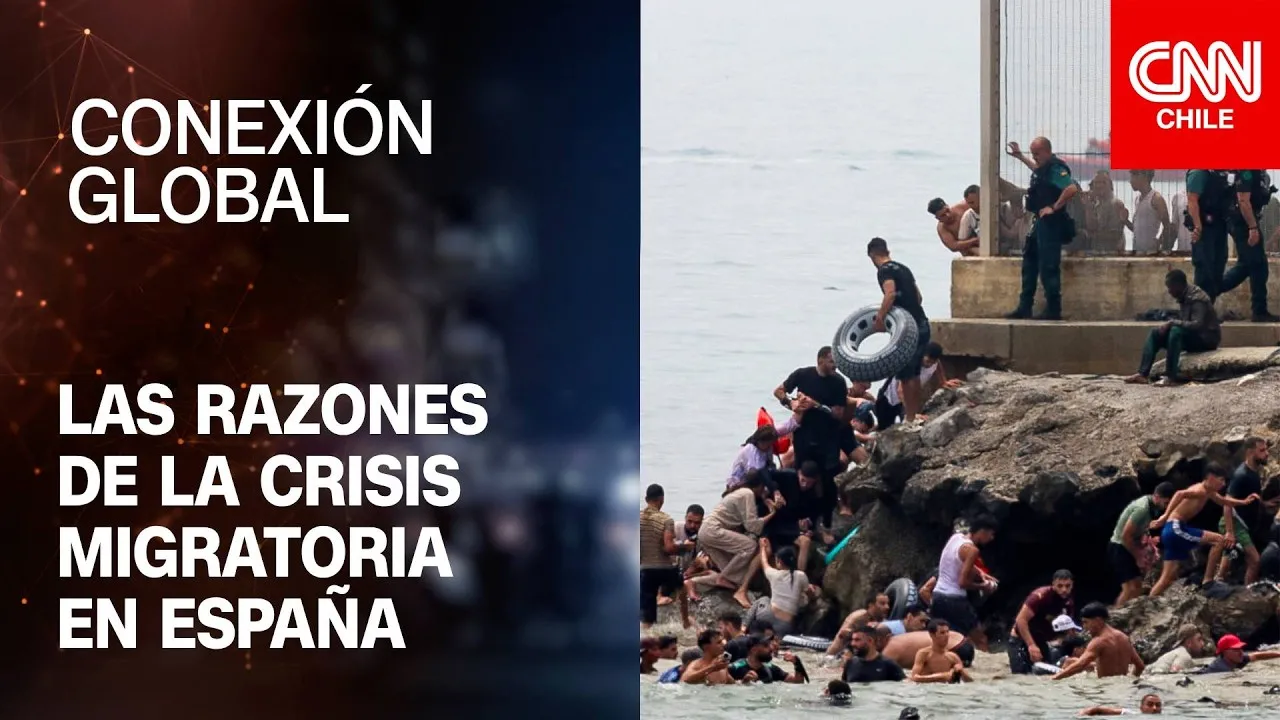
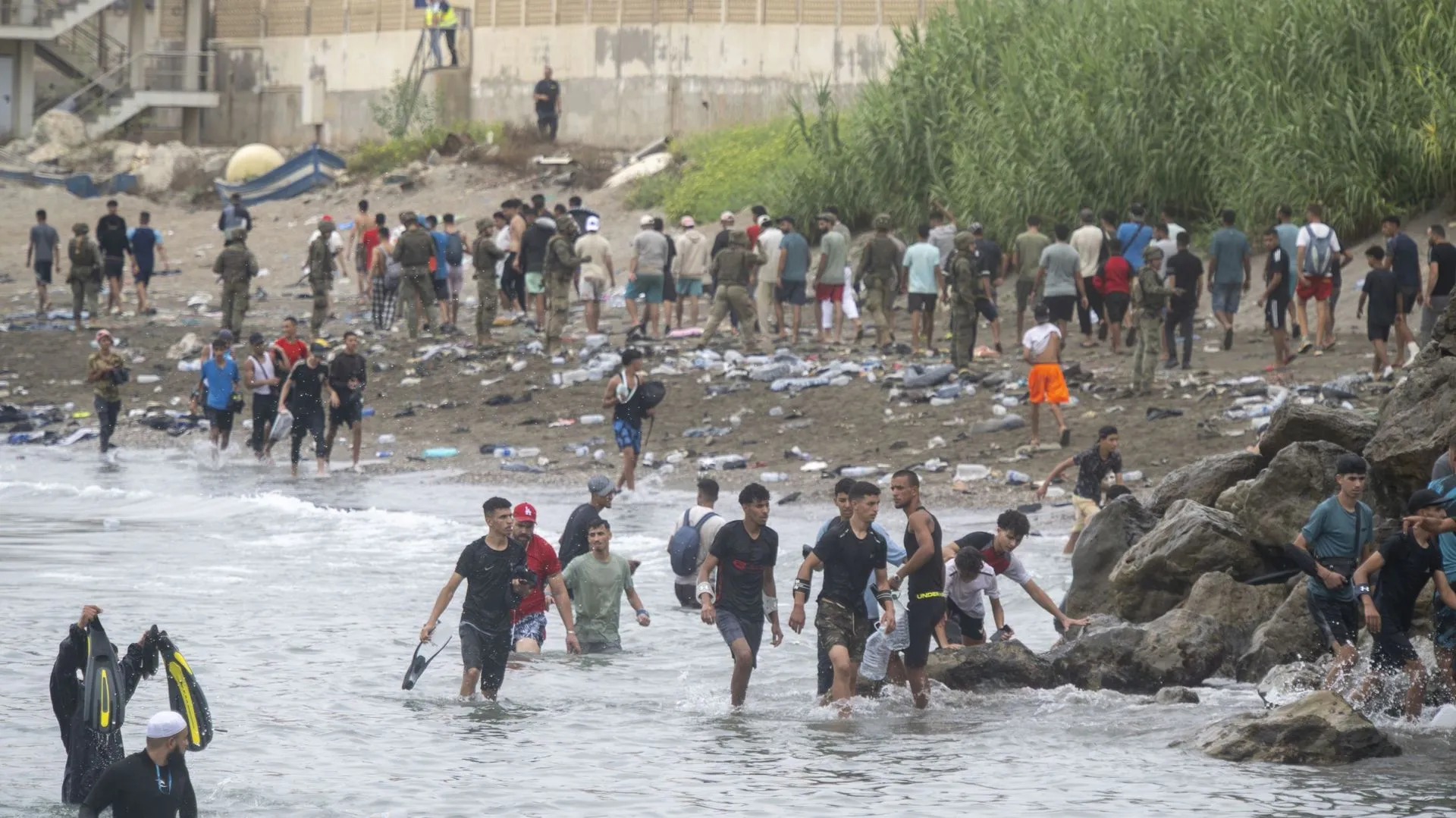
In a poignant turn of events, a wave of immigrants is making their way back to Morocco after a brief attempt to reach Spain, highlighting the complex and often tragic nature of migration. Ahmed, a 15-year-old boy, was preparing to return to Morocco by swimming back across the strait, mirroring his initial journey into Europe. However, a Spanish soldier intervened, guiding him towards a designated land route instead. This scene encapsulates the desperation and hardships faced by many who seek a better life across borders.
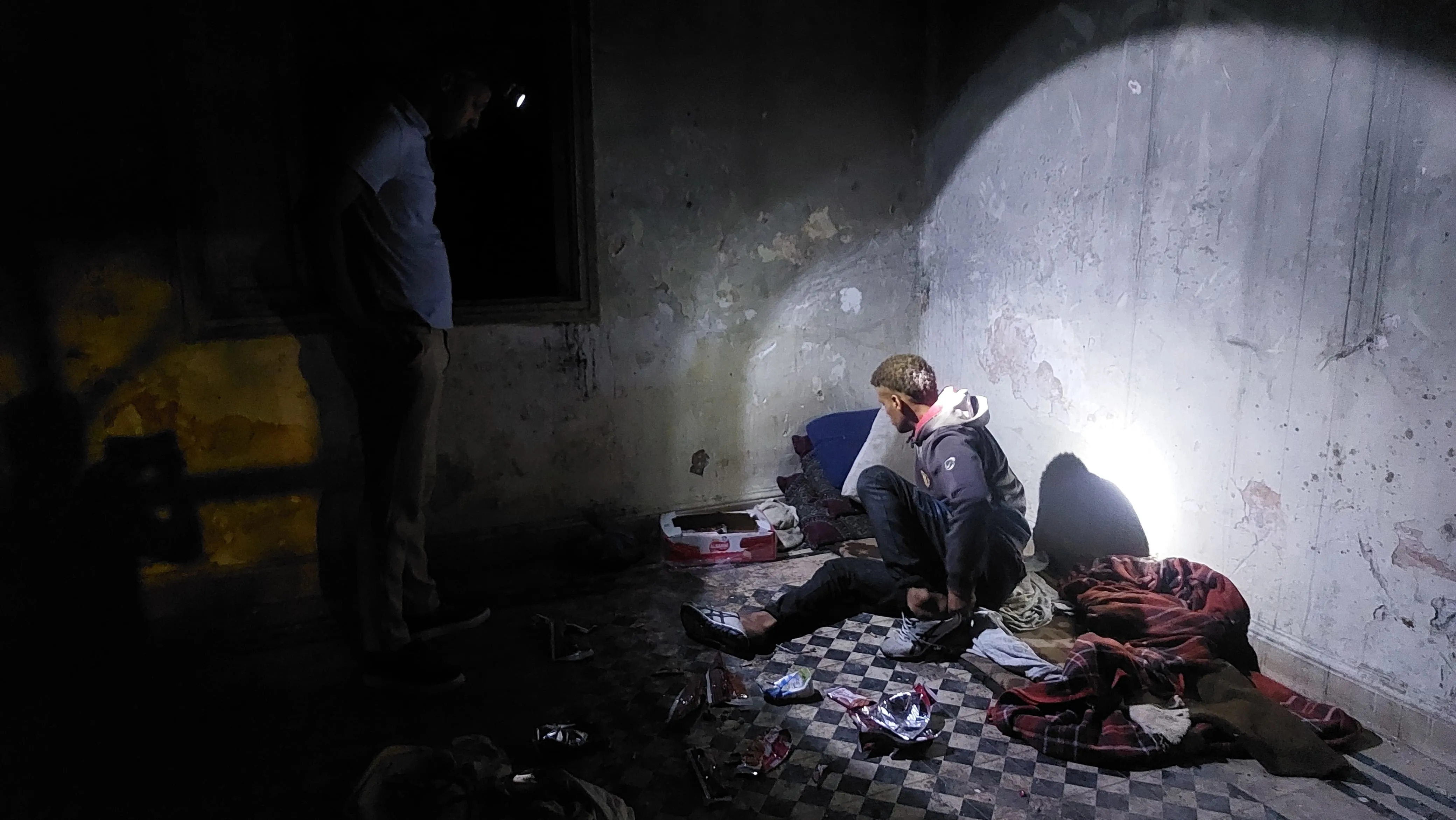
Youssef, a weary 19-year-old, is another testament to the struggles faced by those fleeing their home country. Barefoot and shirtless, with sweat and salt crusted on his face, Youssef is retracing his steps just two days after embarking on a hopeful yet perilous journey to Ceuta from his hometown of Tétouan. His experience was marred by tragedy; he witnessed two friends drown, victims of the unforgiving sea and their inability to swim. The young man bears a deep scar on his cheek, a remnant of a violent past that reflects the harsh realities of life in Morocco.
"We are leaving. Spain does not want us! They didn't give us water or bread..." he expressed in broken English, his voice tinged with disappointment and fatigue. The journey had promised excitement and hope but ultimately led to disillusionment. Despite successfully reaching Spanish territory with a group of friends, Youssef found himself returning home, head hung low. He, along with an estimated 50,000 others, had crossed the border, but the allure of Europe quickly faded in the face of rejection.
Mass Exodus and Humanitarian Crisis
The Spanish government has reported that over 48,000 individuals have exited Ceuta, a claim met with skepticism as many migrants remain stranded in the streets and parks of the city, seeking refuge and sustenance. Youssef's story is just one among thousands that illustrate the desperation of those who yearn for a better life yet find themselves caught in a cycle of hope and despair. As he walked along the beach of El Tarajal, the sight of fellow immigrants returning home was a stark reminder of the harsh realities of migration.
Meanwhile, the plight of the immigrants continued, with many attempting to breach the borders into Ceuta only to be turned back upon arrival. The Spanish Civil Guard divers were tirelessly recovering bodies from the waters, highlighting the ongoing tragedies associated with this migration crisis. Reports indicate that at least 57 individuals have lost their lives in this recent wave, marking it as one of the deadliest episodes in Spain's migration history. The humanitarian aspect of this crisis cannot be overlooked, as the loss of life and the struggles of those seeking better futures resonate deeply within the fabric of society.
As the situation unfolds, the local community grapples with the aftermath, facing the dual challenge of managing the influx of immigrants and addressing the humanitarian needs that arise. The complexities surrounding migration are further exacerbated by political narratives that often portray migrants in a negative light, leading to sentiments of disdain among locals. The path forward remains fraught with challenges, but the stories of individuals like Youssef and Ahmed remind us of the human cost behind the statistics and the urgent need for compassion and understanding in the face of adversity.
As reported by elmundo.es.