
Haddamine Mouloud Said's Insightful Response to EL PAÍS on Moroccan Relations
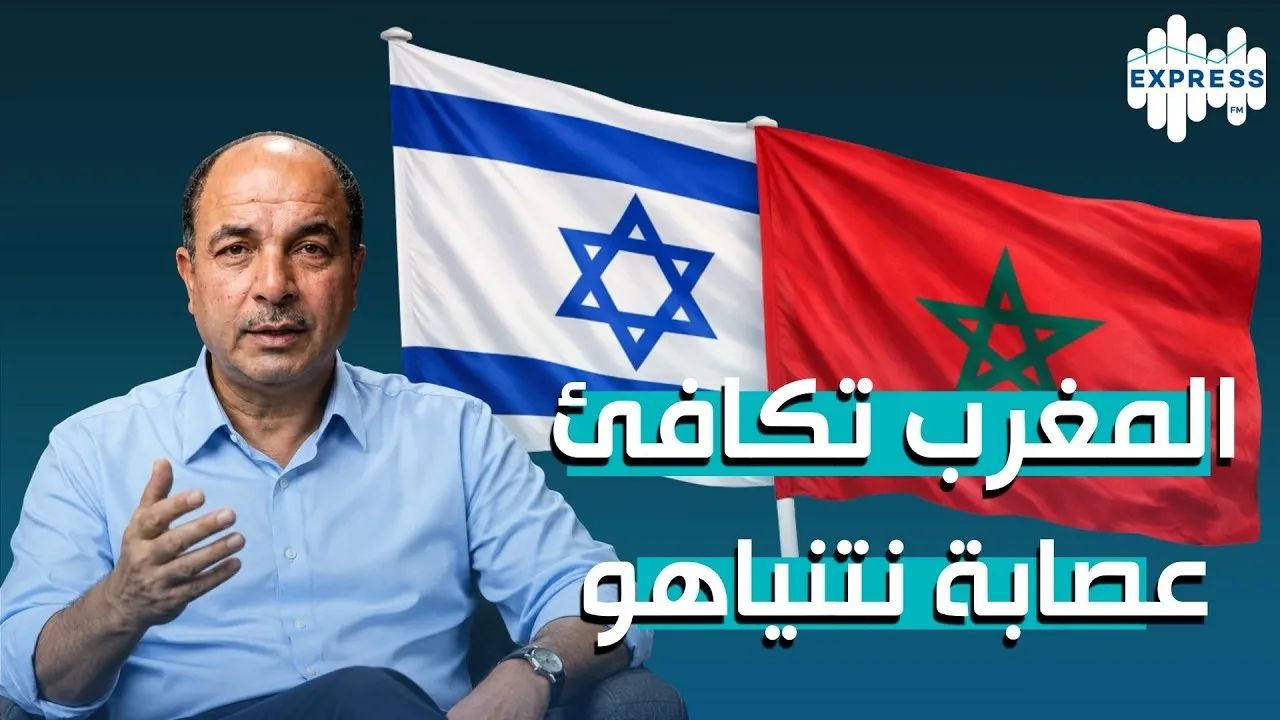
On September 19, 2026, Haddamine Mouloud Said, a prominent Sahrawi jurist, provided a detailed analysis of three articles published by _EL PAÍS_ regarding Morocco's geopolitical dynamics. These articles included a report on Morocco's alliance with the United States and Israel, an editorial titled "The Strength of Morocco," and a commentary by Tahar Ben Jelloun that focused on Spain-Morocco relations. Rather than addressing each piece in isolation, Said emphasizes the importance of reading these texts collectively to understand the political narrative they construct and the implications for Western Sahara.
The articles published by _EL PAÍS_ on that day collectively underscore Morocco's growing international influence. The report by Juan Carlos Sanz highlights the new alignment between Rabat, Washington, and Tel Aviv, placing Western Sahara at the forefront of this diplomatic shift. Meanwhile, the editorial, "The Strength of Morocco," interprets this development as a reflection of Rabat's increasing global clout, while Ben Jelloun's commentary calls for a reevaluation of Spain's current bilateral crisis with Morocco. In a unique contribution, Said encourages readers to scrutinize how these narratives interconnect and what they reveal about the status of Western Sahara.
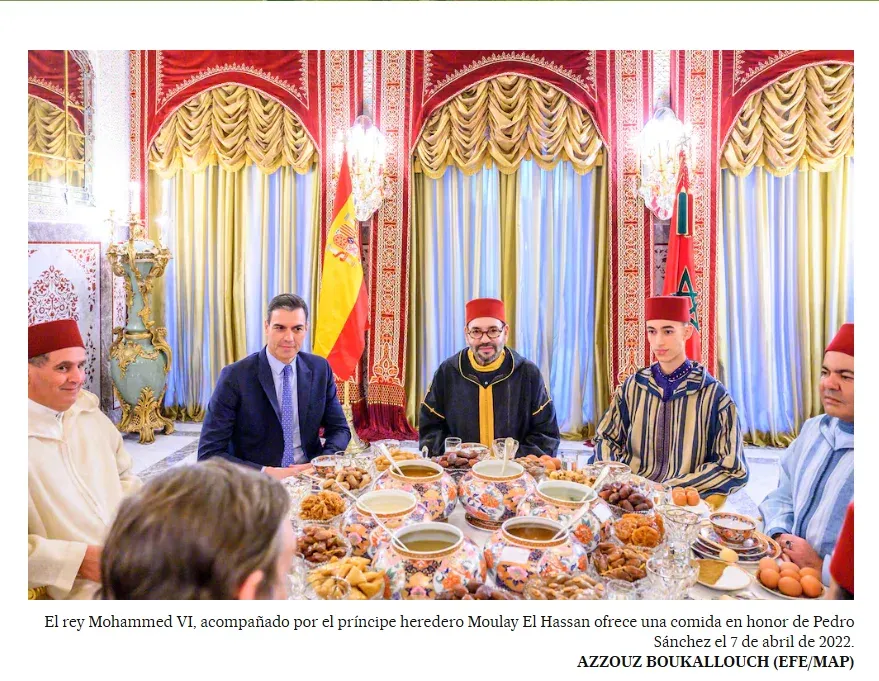
In his document titled "Three Texts, One Score: EL PAÍS's Editorial Operation on Morocco," Said argues that the sequencing of these articles is not politically neutral. He suggests that the portrayal of Morocco's rising power is strategically framed to alert Spain and Europe to the necessity of acknowledging this shift, ultimately questioning the implications for Spain's diplomatic relations with Rabat. The term "editorial operation" reflects Said's interpretation, suggesting that the simultaneous publication of these articles, though not definitively coordinated, invites a critical examination of the overarching message they convey when viewed together.
Challenging Perspectives on Sovereignty and Self-Determination
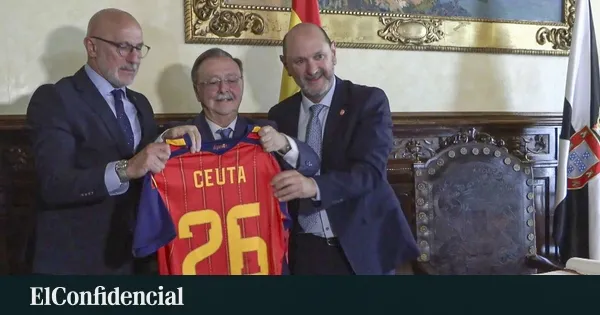
Moreover, Said's critique delves into the nuances of international law and the differing legal statuses of Ceuta, Melilla, and Western Sahara. He challenges Ben Jelloun's comparison of these territories, asserting that such analogies oversimplify complex legal realities. Furthermore, Said disputes the notion that Spain's 2022 policy shift signifies legal recognition of Moroccan sovereignty over Western Sahara. This leads him to pose broader questions about the space available for dissenting voices within each nation's discourse.
One of the most provocative aspects of Said's reflection is his inquiry into the freedom of expression for Spanish intellectuals and journalists who criticize Moroccan policy. He questions whether they would be permitted to publish articles advocating for the self-determination of the Sahrawi people in major Moroccan media outlets, challenging the sovereignty claims made by Morocco over Western Sahara. This question serves as a counterpoint to Ben Jelloun's article, highlighting the disparity in the freedom to critique national sovereignty between Spanish and Moroccan contexts.
Ultimately, Said's analysis transcends the immediate controversy surrounding _EL PAÍS_, offering a broader commentary on the often-overlooked issues surrounding Western Sahara. He argues that the territory is frequently marginalized in discussions framed solely around stability, security, or neighborly relations between Morocco and Spain. This underscores the need for a Sahrawi perspective in ongoing debates about the region's future, emphasizing that others often speak on behalf of the territory without addressing the voices of its people.
As reported by noteolvidesdelsaharaoccidental.org.