
Calls for Inclusive Voting Practices
As Morocco gears up for its legislative elections scheduled for September 23, disability rights advocates are making a strong appeal for more accessible voting procedures, emphasizing the urgent need for political attention to the rights and needs of individuals with disabilities. These advocates assert that it is imperative for voters with disabilities to exercise their right to vote independently and with dignity. They are urging political parties to prioritize disability rights in their electoral agendas instead of relegating them to mere campaign rhetoric.
Ahmed Berquia, the secretary-general of the Arab Forum for the Rights of Persons with Disabilities, has been vocal about the need for streamlined voting procedures and a more significant inclusion of disability-related matters throughout the electoral process. He remarked in an interview with Hespress AR that successive elections have seen civil society push for enhanced attention to disability rights during electoral events, indicating that the focus should not only be on political party programs but also on election administration and the various stakeholders involved in facilitating the voting process.
Addressing Barriers to Participation
Berquia highlighted the importance of recognizing the place of persons with disabilities in discussions surrounding democratic, fair, and inclusive elections. He expressed concern that while the topic of disability rights has been raised in previous electoral cycles, it often remains confined to political slogans without being adequately represented in party platforms. He urged political parties that advocate for social justice and equality to specifically address the rights of individuals with disabilities, including their entitlement to vote and participate in elections as candidates. He emphasized that electoral commitments must evolve beyond vague language and transform into concrete actions that reflect the needs of this marginalized group.
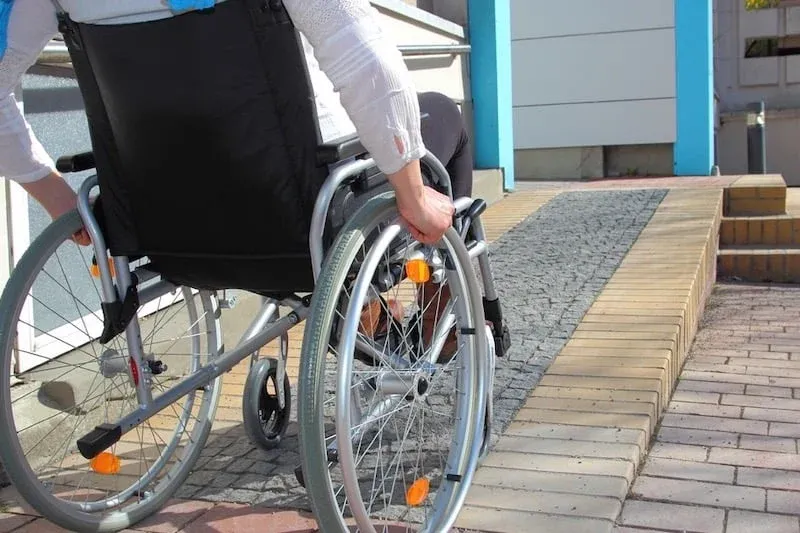
Nadia Attia, who serves as the president of the Moroccan Federation of Associations Working in the Field of Intellectual Disability, joined the call for the Interior Ministry and local authorities to ensure that individuals with disabilities can vote in conditions that uphold dignity, independence, and equality. Attia stressed the necessity for physical accessibility at polling stations, advocating for ground-floor voting rooms and accessible entrances to facilitate easier access. Furthermore, she highlighted the importance of providing electoral information in various accessible formats, including sign-language interpretation and simplified language, as well as tools tailored for blind and visually impaired voters.
Moreover, Attia called for assistance to be available for individuals with disabilities during the voting process, ensuring that such support does not compromise the secrecy of the ballot or the voter's autonomy in making choices. She also emphasized the need for polling-station staff to receive training on how to assist and communicate effectively with voters with disabilities. A rapid and transparent mechanism for reporting any barriers that hinder individuals with disabilities from exercising their voting rights is also essential, according to her advocacy.
The federation's president further recommended involving disability organizations in evaluating the accessibility and readiness of polling stations, positing that their input could help identify challenges and assess if adequate measures are in place. These demands coincide with Morocco’s electoral authorities' preparations for the upcoming vote, with the election campaign running until midnight on September 22.
In a related development, Morocco's audiovisual regulatory body has introduced requirements aimed at enhancing accessibility in election programming for individuals with disabilities, including provisions for sign-language interpretation, subtitles, and audio descriptions when necessary. However, disability advocates argue that the concept of accessibility must extend beyond just election coverage and information dissemination, advocating for tangible measures at polling stations and a more comprehensive inclusion of disability rights in political platforms presented to voters. “People with disabilities are full citizens,” Attia asserted, stressing that their active participation in political life should be recognized as a fundamental right rather than a privilege.
As reported by en.hespress.com.