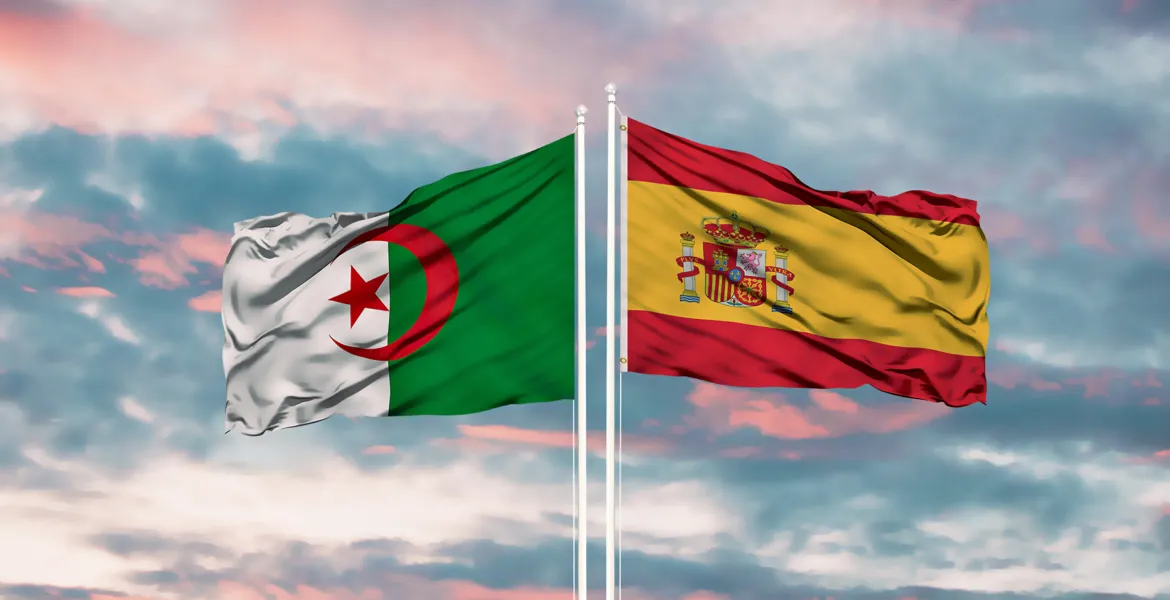

Spain and Algeria: A Growing Strategic Alliance
Recent analyses from Spanish strategic experts suggest that the improving relationship between Algiers and Madrid is perceived as a potential tool that the Moroccan regime may attempt to exploit in order to exert pressure on Spain. The goal appears to be to disrupt the burgeoning rapprochement between Spain and Algeria, with the intention of reverting bilateral relations to the strained conditions experienced between 2022 and 2025, a period marked by significant diplomatic and economic challenges. The anticipated visit of Algerian President Abdelmadjid Tebboune to Spain, although not officially confirmed, alongside a high-level meeting planned for October, has reportedly caused unease within the Moroccan government. Analysts contend that Morocco has long viewed the administration of Prime Minister Pedro Sánchez as vulnerable, particularly in light of recent controversies surrounding the theft of sensitive documents from the mobile devices of high-ranking Spanish officials, including Sánchez himself, in the Pegasus spyware incident.
One of the noteworthy voices in this discourse is Miguel Hernando de Larramendi, a professor specializing in Arab and Islamic Studies at the University of Castilla-La Mancha, who shared insights with the Europa Press news agency. The growing ties between Algiers and Madrid coincide with significant developments that may exacerbate tensions between Spain and Morocco. These include an upcoming visit by King Felipe VI and Queen Letizia to the Spanish territories of Ceuta and Melilla and the recent approval of legislation that allows members of the Sahrawi community to obtain Spanish citizenship. Such developments are believed to have played a role in Morocco's response during the mass influx of approximately 80,000 irregular migrants into Ceuta on July 30 and 31, an event accompanied by a notable presence of Moroccan security personnel.
Morocco's Challenges Amidst Regional Tensions
However, the current circumstances surrounding Morocco appear markedly different from those experienced in 2022. Analysts suggest that Morocco is undergoing a particularly challenging phase, both domestically and internationally, which may limit its capacity to pressure Madrid into reducing its engagement with Algeria. Domestically, tensions have escalated following the Moroccan monarchy's decision to elevate diplomatic relations with Israel to ambassadorial status, which has not been well-received by segments of Moroccan society.
Relations between Rabat and Madrid have continued to deteriorate, with significant political and public support in Spain for holding Morocco accountable for what the Spanish authorities perceive as a violation of sovereignty during the Ceuta events. Despite the Sánchez government's attempts to alleviate tensions, the situation remains fraught. In this context, Spain's National Court has initiated further inquiries into the entities believed to have organized and coordinated the mobilization that preceded the mass entry into Ceuta from the Moroccan side of the border, particularly focusing on the town of Fnideq. This follows a ruling by Judge María Tardón, who endorsed findings from the National Commission for Economic and Social Research, which categorized the events as an organized operation rather than a spontaneous occurrence, a claim contested by Spain's Interior Minister Fernando Grande-Marlaska.
Amid these developments, there is a prevailing sentiment in Spain that the nation's deep state may have circumvented the Sánchez administration due to suspicions that he yielded to Moroccan pressure following the incident involving the theft and blackmail of documents from his personal phone. Recent actions, including King Felipe VI's appearance in military attire while meeting senior military commanders and his planned visit to Ceuta and Melilla, along with the National Court's decision to investigate Moroccan involvement in the Ceuta events, are interpreted by some as a direct challenge to Rabat. Collectively, these factors may constrain Morocco's ability to maneuver and exert pressure on Madrid, as Spain seeks to prioritize its strategic interest in maintaining a reliable energy supply, particularly in light of its longstanding partnership with Algeria, the geographic proximity of Algerian energy infrastructure, and the critical role that Algerian supplies play in Spain’s energy security.
As reported by echoroukonline.com.