The northern region of Africa, home to over 270 million residents and an economy valued at approximately $1.1 trillion, is rapidly emerging as a significant market for Mexican companies seeking to diversify their export strategies beyond the United States. This region, which includes Algeria, Egypt, Libya, Morocco, Sudan, and Tunisia, is characterized by sustained economic growth exceeding 4% annually, enhanced integration into global supply chains, and a strategic geographical position between Africa, Europe, and the Middle East. These attributes make it an attractive destination for trade and investment.
In this context, Mariana Tuma, the president of the Arab-Mexican Chamber of Industry and Commerce (Camic), highlighted that North Africa represents a key opportunity for expanding the presence of Mexican products in new markets. "Morocco can serve as a gateway for Mexican companies to enter North Africa and other African markets, while Mexico can provide Moroccan companies with a strategic platform towards Latin America," she stated in an interview with MILENIO.
Although the region comprises six countries, Egypt stands out by accounting for nearly half of its economic activity, boasting a Gross Domestic Product (GDP) exceeding $500 billion. Following Egypt are Algeria and Morocco, both of which have significantly strengthened their infrastructure, expanded industrial capacity, and fortified commercial integration with Europe, Asia, and the Middle East. This robust economic dynamism explains why an increasing number of international companies view North Africa as a manufacturing, logistics, and distribution hub for accessing other markets.
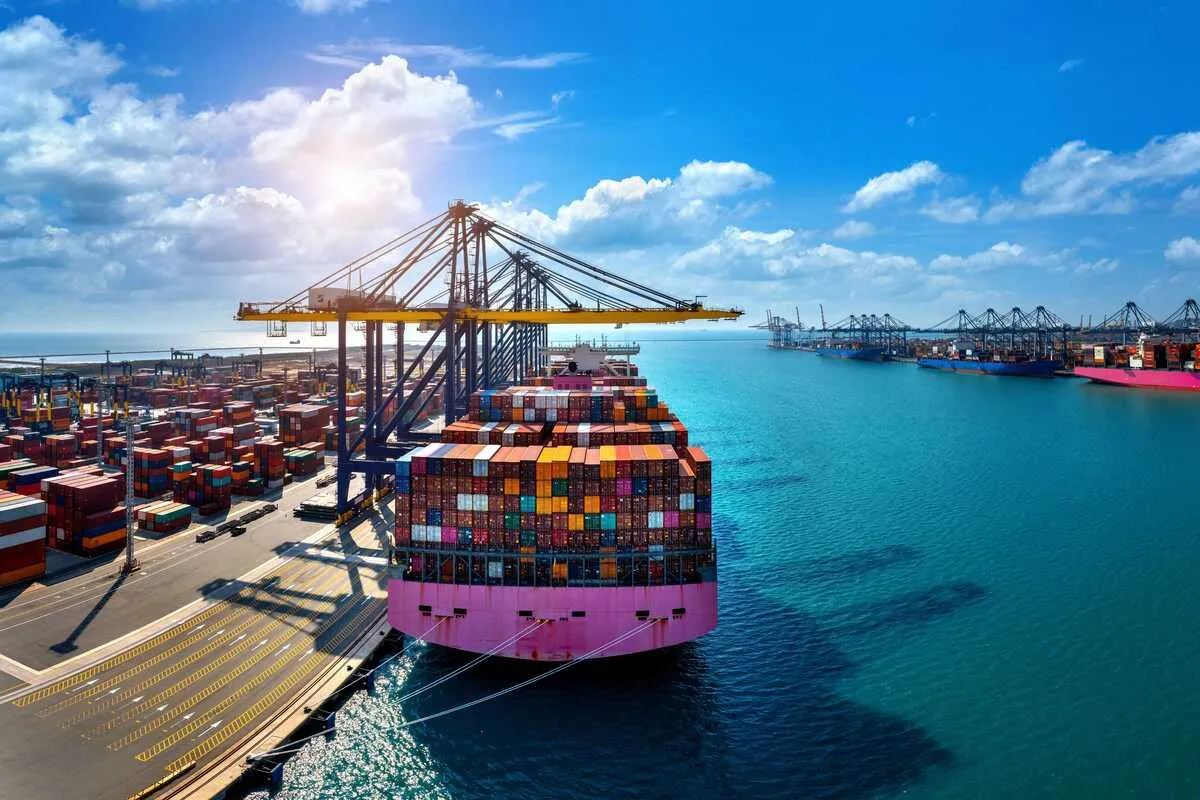
Tuma emphasized that Mexico's interest in broadening its market presence aligns well with the region's vast opportunities across various industries, including food and beverages, medical devices, automotive parts, machinery, infrastructure, renewable energy, water management technologies, tourism, and specialized services. One of the primary attractions of the region is its strategic location, serving as a bridge between Africa, Europe, and the Middle East. In recent years, there has been a concerted effort to enhance logistical, port, and transportation infrastructure to attract investment and facilitate international trade.
Regulatory Challenges Ahead
However, Tuma cautioned that entering these markets also entails navigating several regulatory challenges. Among the main barriers to entry are compliance with health and technical requirements, certifications, labeling standards, customs procedures, and the necessity of establishing partnerships with local distributors or business associates. Nevertheless, she asserted that these challenges can be effectively managed through a well-structured market access strategy accompanied by institutional support, thereby creating opportunities for increasing the presence of Mexican firms in the region.
Beyond its market size, North Africa is experiencing growth rates that surpass the global economic average. According to the African Economic Outlook 2026 from the African Development Bank, the region is projected to grow by 4.2% in 2026, following an estimated growth of 4.1% in 2025. Furthermore, a 4.4% expansion is anticipated for 2027, driven by tourism, infrastructure development, increased agricultural production, and rising productive investment.
Morocco: The Hub of Trade
Within the region, Morocco stands out as Mexico's primary trade partner, with Mexican exports to the country totaling $117 million in 2025, while imports amounted to $696 million. Mexican exports primarily consist of high-value-added manufacturing, whereas imports from Morocco largely include industrial products and fertilizers. In light of this context, Tuma elaborated that the strengthening of Moroccan infrastructure and the expansion of its logistics corridors will create new opportunities for Mexican companies to participate in infrastructure projects, construction, materials supply, logistics, automotive manufacturing, smart city technologies, tourism, and food and beverages to cater to the growing demands of the tourism sector.
“There is a clear opportunity today to build an investment and business cooperation agenda between both countries,” Tuma emphasized.
The upcoming 2030 FIFA World Cup is poised to accelerate Morocco's economic transformation, acting as a catalyst for attracting foreign investment, modernizing infrastructure, enhancing international competitiveness, and positioning the country as a business platform between Africa, Europe, and the Middle East. Tuma reiterated that Morocco's appeal is not solely dependent on the tournament but also on factors like institutional stability, strategic location, logistical and port infrastructure, investment incentives, competitive costs, and a comprehensive network of trade agreements.
As part of the preparations for the 2030 World Cup, Morocco is set to allocate approximately $1.4 billion to construct and modernize the six stadiums that will host the tournament. Additionally, the International Monetary Fund (IMF) anticipates that between 2024 and 2030, the country will accelerate public investments in infrastructure equivalent to 11.9% of its GDP for 2024, amounting to around $18.377 billion. According to Tuma, this modernization process positions Morocco as a prime example of how an international event can enhance a country's competitiveness and reinforce its role as a regional hub for manufacturing, trade, and investment.
“The economic transformation process in Morocco and the hosting of the 2030 World Cup create a favorable environment to expand bilateral economic relations and promote greater participation of Mexican companies in this market,” she concluded.
As reported by amp.milenio.com.