Emerging Terrorist Threats in Morocco and Beyond
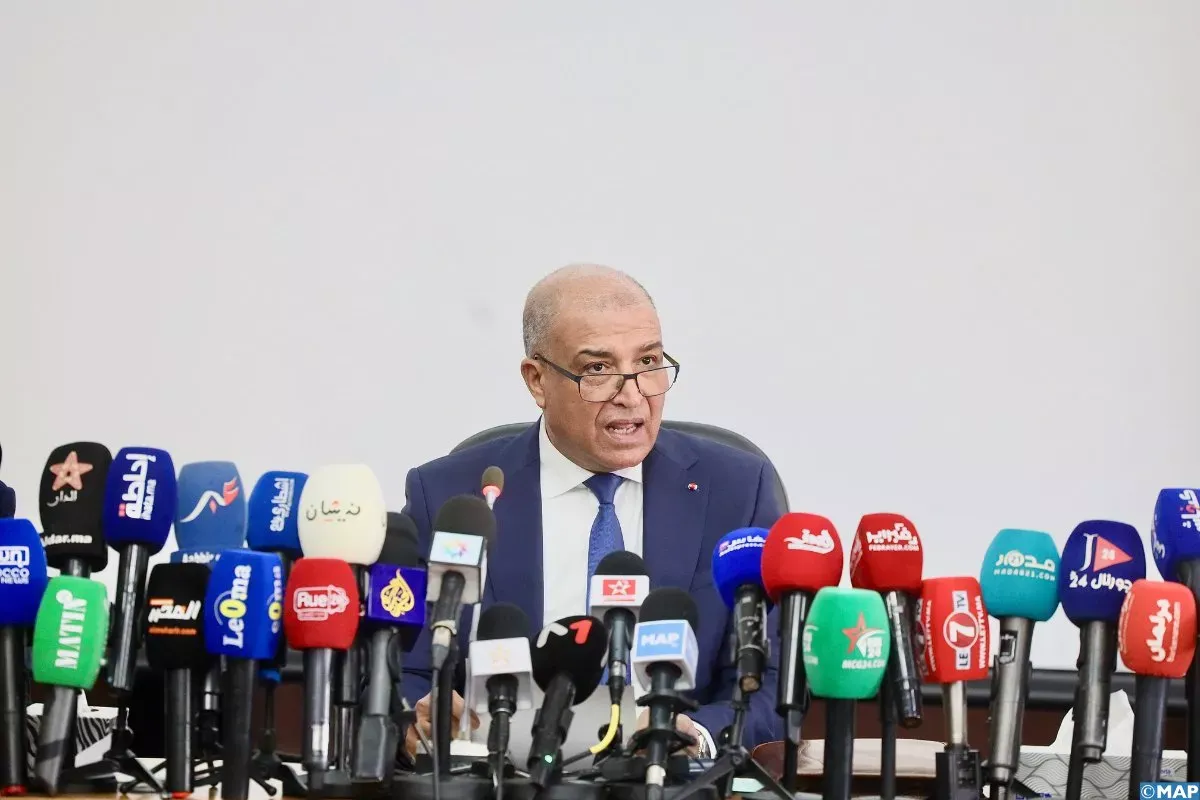
In a recent interview with “Al Ahdath Al Maghribiya,” Cherkaoui Habboub, the director of Morocco's Central Bureau of Judicial Investigations (BCIJ), addressed the pressing challenges posed by terrorism both within Morocco and across the broader region. Habboub emphasized a significant shift in the geographical landscape of terrorism, noting that while the threats have become increasingly complex, they are also more detectable than before. The assessment of current terrorist challenges necessitates a comprehensive analysis of both general and digital data, highlighting the importance of monitoring suspicious activities in cyberspace alongside traditional fieldwork and operational tasks.
Morocco's BCIJ collaborates closely with various international partners, including the United States, Arab and African nations, and European counterparts, to combat the multifaceted nature of these threats. Among the primary concerns Habboub identified are the instability in the Sahel region, the rise of cyberterrorism, the return of Moroccan nationals who have participated in conflicts abroad, and the emergence of lone-wolf attackers. He further highlighted the alarming trend of minors rapidly radicalizing due to the influence of terrorist organizations that primarily utilize social media and online platforms to recruit individuals.
The Profile of Terrorism Suspects and Their Motivations
In discussing the demographics of individuals involved in terrorism, Habboub pointed out that minors under the age of 18 are frequently implicated in cases handled by the BCIJ, while the majority of defendants are between 18 and 30 years old, with very few exceeding 40. Many of these individuals possess low levels of education and typically hold unskilled jobs, echoing patterns observed when Morocco began dismantling terrorist cells prior to the infamous attacks on May 16, 2003. When asked about the Moroccan fighters currently engaged with terrorist organizations in Africa, Habboub revealed that approximately 130 individuals are involved, predominantly located in the Puntland region of Somalia.
Habboub also connected the dots between separatist movements and terrorism, asserting that these elements are interconnected and exacerbate each other. He referenced discussions from the anti-Daesh ministerial meeting in Marrakech in May 2022, which highlighted the serious threats posed by the “Tindouf axis” due to poorly controlled borders in the region. He disclosed that nearly 100 members of the Polisario Front have allied with terrorist entities, particularly Al-Qaeda in the Islamic Maghreb (AQIM). The financing mechanisms for these organizations have remained relatively unchanged, relying on individual contributions for travel to conflict zones and funds transferred from abroad by business leaders with substantial savings. Additionally, terrorist groups may employ the “Al-Istihlal wal Faye” theory to justify illicit activities aimed at financing their operations, including bank heists and livestock theft, as evidenced by a recent cell dismantled in Morocco.
Throughout the interview, Habboub underscored Morocco's commitment to international cooperation, engaging in both multilateral and bilateral efforts to combat terrorism effectively, with the active involvement of Abdellatif Hammouchi, the director of the DGSN-DGST division. The insights provided by Habboub paint a concerning picture of the evolving terrorist landscape, underscoring the urgent need for continued vigilance and collaboration to counter these threats.
As reported by telquel.ma.