Turkey Seeks Fertilizer Solutions from Morocco
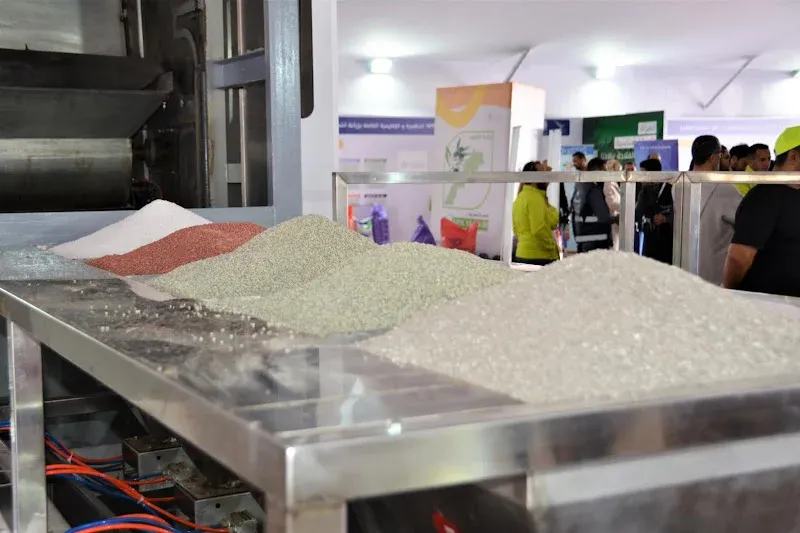
In light of the recent disruptions in global fertilizer supplies triggered by conflicts in the Middle East and the closure of the Strait of Hormuz, the Turkish government has initiated discussions with Morocco, a leading fertilizer producer, to bolster its stockpiles in preparation for the upcoming agricultural season that begins after summer. This information has been confirmed by various Turkish media outlets citing informed sources. Currently, it is anticipated that Turkey's existing fertilizer reserves will last until the fall, with the country’s annual fertilizer needs estimated at around 7 million tons. Out of this, approximately 5 million tons are imported from various countries, including Russia. However, there is a growing inclination to seek out geographically closer suppliers to stabilize both supply and prices locally.
Furthermore, reports indicate a significant rise in the price of urea fertilizer in the Turkish market, soaring from 25,000 lira to 35,000 lira, which translates to over 786 US dollars at current exchange rates. The price of diammonium phosphate fertilizer has similarly escalated to over 44,000 lira (approximately 988 US dollars), with price increases attributed to the situation in the Middle East ranging between 25% and 60%. Gökhan Özunoğlu, the Chairman of the Association of Fertilizer Manufacturers, Importers, and Exporters (GÜİD), stated in an interview with the newspaper "Milliyet" that current stockpiles do not indicate a problem for now, and no crises are expected until the fall. He added that the organization has been in discussions with producers and relevant government sectors, ensuring that access to fertilizers remains intact, although the rising costs may pose challenges to production.
Additionally, it is essential to highlight that the closure of the Strait of Hormuz, following American and Israeli attacks on Iran, and Iran's subsequent retaliation by targeting American bases and vital points in the Gulf region, has resulted in a nearly 40% contraction in the global fertilizer supply chain. This scenario has not only impacted prices but has also compelled several countries, including Turkey, to enhance their existing stockpiles and explore new supply markets. Global fertilizer production exceeds 200 million tons, with Gulf countries being major producers. Morocco is also recognized as a key player and a stable, reliable supplier for many nations, including India, which is looking to secure its needs independent of Gulf nations.
As reported by hespress.com.