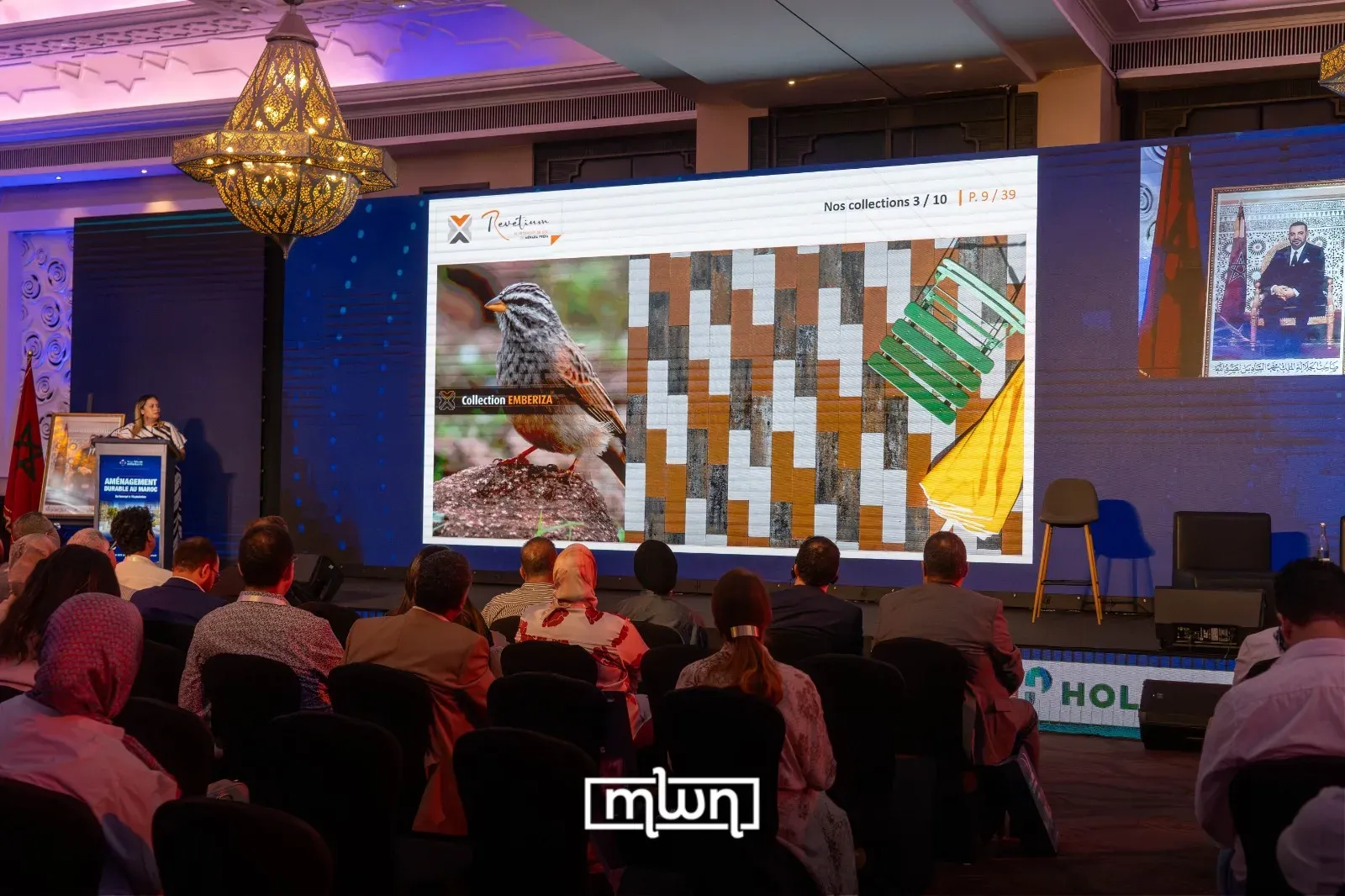
Marrakech is witnessing a pivotal transformation as Morocco prepares for the 2030 FIFA World Cup and various high-profile international events. A recent assembly of the nation’s leading architects, engineers, and urban planners, convened in Marrakech, emphasized the urgent need for a radical rethinking of urban design, construction, and maintenance practices. The second iteration of the Ménara Préfa Scientific Day, hosted at the luxurious Four Seasons Resort, operated under the theme 'Sustainable Development in Morocco: From Concept to Operations.' This event brought together over a dozen industry experts to critically examine the ongoing challenges affecting Morocco's urban development, including escalating costs, chronic delays, and the delicate balance between modernization and the preservation of local architectural heritage.
The conference, organized by Ménara Préfa, the industrial subsidiary of Menara Holding, was marked by two insightful expert panels, product presentations showcasing the Urbanmob urban furniture line and the Revetium exterior surfacing brand, as well as a B2B networking session, highlighting the increasing commercial stakes involved in Morocco's urbanization efforts. In their introductory remarks, Nadia Chaachou, Commercial Director of Menara Holding, and Hicham Zbidi, Deputy CEO of Ménara Préfa, underscored the necessity for an urgent reassessment of the planning and execution of urban spaces in light of Morocco's growing global standing. Chaachou articulated that the future of development must align with critical criteria such as sustainability, the integration of intelligent technologies, and resilience over time, all while ensuring an optimal use of resources and enhancing quality of life. She further stressed that technological innovation should not undermine national identity.
Despite the architectural plans and blueprints, Morocco faces ongoing losses in time, finances, and elements of its cultural identity. To navigate this challenge, Chaachou advocates for projects that seamlessly blend modernity and functionality with the preservation of Morocco’s rich architectural and cultural legacy. The first panel, titled 'From Design to Execution: Where Do Delays and Cost Overruns Originate?', continued this theme of transparency and critical evaluation.
Panelists, representing a diverse array of organizations from public transit agencies to engineering consultancies and architectural firms, identified a common issue: many Moroccan urban projects falter due to inadequate preliminary studies, poor coordination among stakeholders, and a disconnection between designs and their actual implementation. Architect and project manager Basma Boujendar from Orange Atelier emphasized the importance of a human-centered design approach, advocating for a focus on user needs and thorough site analysis, including economic, climatic, and social factors. She highlighted that the success of urban projects hinges significantly on the quality of preliminary studies, which are crucial for maintaining budgetary and scheduling integrity.
Throughout the discussions, the theme of identity emerged consistently, with Boujendar asserting that Morocco's rapid modernization should not come at the expense of its historical heritage. She called for professionals to infuse local character into every phase of urban design, advocating for respect for local identities and customized designs that honor the unique characteristics of each site. Boujendar also made a compelling environmental argument for the adoption of sustainable materials that not only reduce carbon footprints but also contribute aesthetically to the designs, thereby marrying ecological responsibility with architectural integrity.
Further insights were provided by Mohamed Ali El Himma, founder of Integral Progress Technology, who discussed the pressing need for comprehensive digitalization within Morocco’s urban governance infrastructure. He posited that adopting artificial intelligence and data-driven management tools is essential for the nation to keep pace with its rapid development, especially in light of the forthcoming 2030 World Cup and other challenges. El Himma advocated for a cohesive smart city governance strategy that integrates all sectors, including products, planning, engineering, and information systems. The ongoing transformations in Morocco signify a crucial moment for the nation, and the professionals present at the forum underscored their commitment to meeting these challenges successfully.
The second panel focused on sustainability strategies, drawing participation from various industry players, including Chryso Saint-Gobain Maroc, Probst, Techniseal, and the Zenata Development Company. Participants engaged in discussions about material durability, lifecycle cost optimization, climate adaptation, and the ongoing maintenance challenges that impede Moroccan public infrastructure long after initial project completions.
The conference was supported by a tiered sponsorship model, reflecting the industrial ecosystem of the sector, with Holcim as the diamond sponsor and other notable partners at various levels. For Ménara Préfa, this event served a dual objective: to assert its leadership in the discourse surrounding sustainable urbanization in Morocco while showcasing innovative product lines tailored to the country's rapid construction demands. The company has also secured state-backed funding to develop four innovative products, including Ultra High Performance Concrete and Anti-Seismic Mortar, expanding its ambitions beyond traditional precast offerings.
The question remains whether Morocco's urban planners can effectively translate the consensus achieved during the conference into coordinated actions on the ground. This critical issue will undoubtedly be revisited at future gatherings, as the need for innovation and effective urban planning continues to grow.
As reported by moroccoworldnews.com.