Significant Advancements in Morocco's High-Speed Rail Project
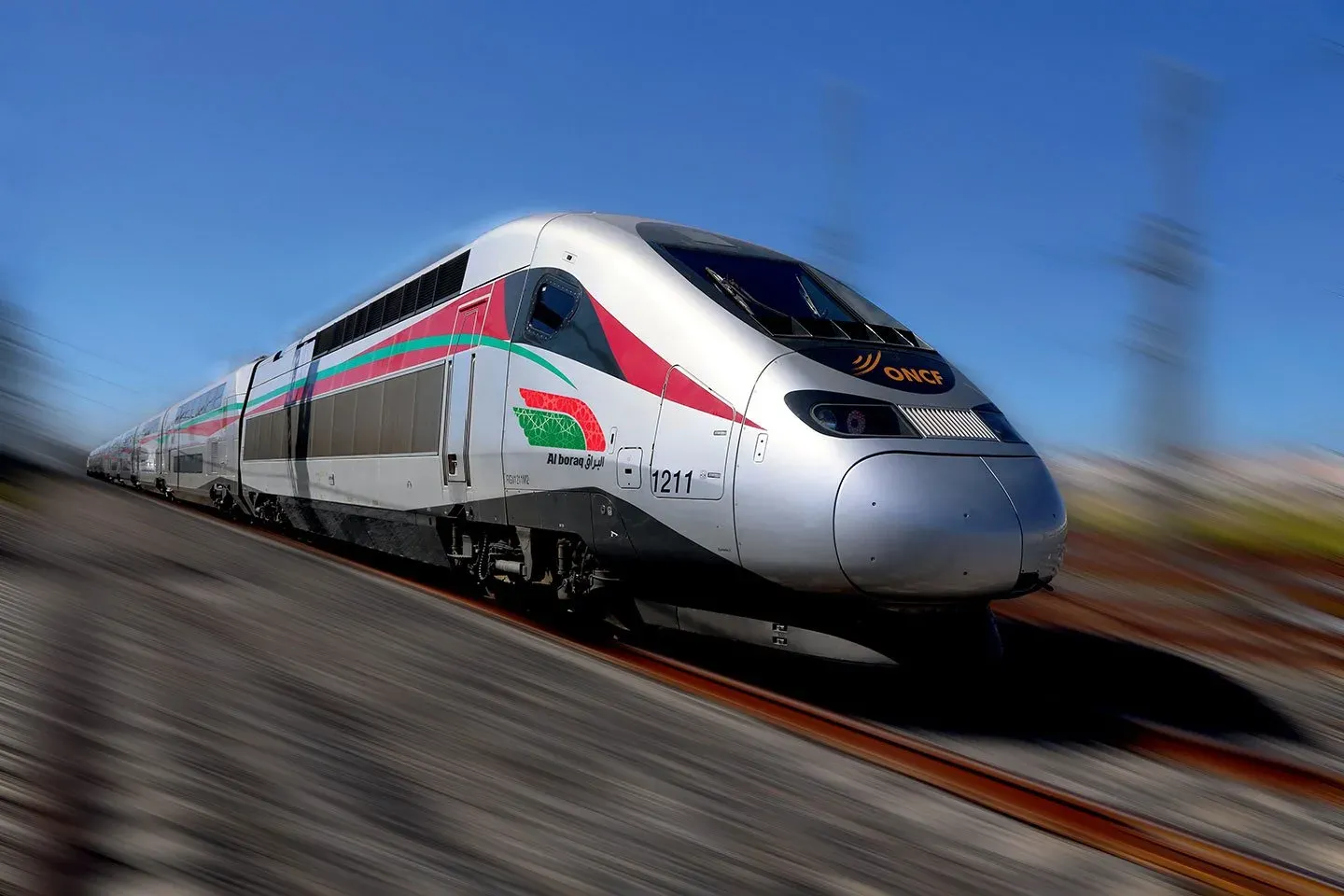
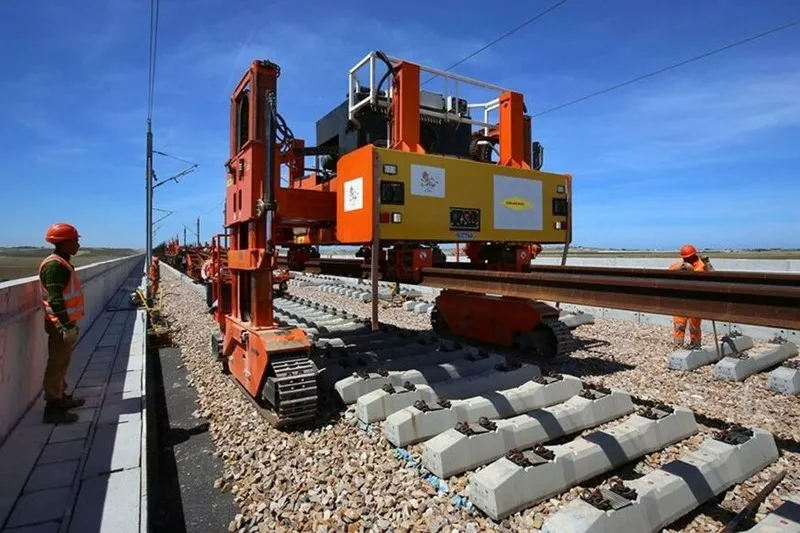
On Monday, during a session at the House of Representatives, Abdelsamad Kayouh, the Minister of Transport and Logistics, announced that the construction of the high-speed rail line connecting Kenitra and Marrakech has reached 30% completion. This ambitious project is part of a national railway program valued at 96 billion dirhams, representing what Kayouh termed "the largest investment volume recorded in Morocco over the last decade" within the rail sector. He elaborated on a new framework for rail travel aimed at enhancing connectivity between major urban centers across the kingdom, with the future infrastructure set to link Rabat, Casablanca, Mohammed V Airport, and the Benslimane stadium with Marrakech. This initiative is envisioned as "a radical transformation of the transport and mobility landscape within Morocco."
The program, spearheaded by the National Office of Railways (ONCF), includes the establishment of a high-speed line spanning 430 kilometers between Kenitra and Marrakech at a cost of 53 billion dirhams. Additionally, the acquisition of 168 new trains is planned, along with an allocation of 14 billion dirhams to support the high-speed system and maintain the efficiency of the existing network.
Reducing Travel Times Between Major Cities
Minister Kayouh provided insights into the anticipated time savings for key national routes. For example, the journey time between Tangier and Marrakech is expected to be reduced from six and a half hours to three and a half hours, while the travel time between Rabat and Tangier will be cut to just one hour from the current one hour and twenty minutes. Furthermore, the connection between central Rabat and Mohammed V Airport, facilitated by a new integrated railway station, is projected to take just 35 minutes. In addition, the travel time between the Casablanca airport train station and the center of Marrakech will be limited to 55 minutes.
Kayouh also revealed that conceptual and technical studies for the second segment of the high-speed line linking Marrakech to Agadir have been completed. A significant portion of this segment's construction will take place in the High Atlas region, involving the creation of bridges and tunnels, which are expected to account for nearly 70% of the project. The Ministry of Transport and ONCF are concurrently seeking international financing to support this future rail connection, which has a total estimated cost of around 55 billion dirhams.
In addition, the minister reported a 30% advancement in the suburban train project, which is designed to meet mobility needs for the next two decades, alleviate urban pressure, and promote collective transportation while respecting environmental imperatives. These suburban trains will operate from next-generation stations, particularly along the Rabat-Kenitra-Skhirat corridor, where a train will depart every ten minutes, aiming to reduce congestion on roadways and other transport modes.
Regarding conventional trains, ONCF is implementing a renewal program for the "Atlas trains," which includes the acquisition and outfitting of new carriages for over 160 trains destined for routes connecting Oujda to Marrakech. The minister also announced plans for the construction of a railway maintenance and locomotive manufacturing facility in Benguerir, targeting a local integration rate of approximately 62%. The goal is to produce next-generation locomotives using Moroccan expertise to meet ONCF's needs before potentially exporting this production to foreign markets.
Finally, discussing service quality, Kayouh noted that the punctuality rate of trains now exceeds 87%, with surveys indicating a passenger satisfaction level above 80%. He urged for an open dialogue with deputies to explore suggestions and ideas aimed at further enhancing the services and quality of rail transport.
This extensive overhaul of Morocco's railway landscape reflects the authorities' commitment to establishing rail as the backbone of intercity travel, integrating high-speed lines, suburban services, and local rail industry into a cohesive system poised to sustainably reshape the kingdom's mobility dynamics.
As reported by barlamane.com.