The Legacy of Morocco in World Cup History
The story of Morocco in the World Cup is not just about football; it encapsulates the ambition, unity, and pride of a nation. This narrative spans over five decades, beginning in the arid landscapes of Mexico in 1970 and culminating in the dazzling heights of Qatar in 2022. The Moroccan national team, affectionately known as the Lions of the Atlas, has transformed from underdogs to trailblazers, breaking barriers and inspiring hope in countless hearts. Each tournament they participated in has added a new chapter to their legacy, showcasing the indomitable spirit of a country that dared to dream.
In 1970, Morocco made history by becoming the first African team to qualify for the World Cup through official qualifiers, representing the continent after a notable absence due to the boycotting of the 1966 tournament. Their debut, however, was a lesson in resilience, as they faced tough opponents, losing 2-1 to West Germany and 3-0 to Peru. Despite their struggles, Morocco managed to secure a draw against Bulgaria, marking an unforgettable moment as they became the first African team to earn a point in World Cup history. The echoes of their supporters filled the stadium, and their achievement ignited a flame of hope across Africa.
From Setbacks to Triumphs: Morocco's Football Journey
The journey continued and evolved, with Morocco returning to the World Cup sixteen years later in 1986, this time under the guidance of Brazilian coach José Faria, who embraced Islam and became Mahdi Faria. Their group included formidable teams like England, Poland, and Portugal, yet Morocco defied the odds, securing a spot in the knockout stage by finishing at the top of their group. They drew against Poland and England, showcasing their tenacity, before defeating Portugal 3-1 in a historic match that saw them become the first African team to reach the Round of 16. Although they ultimately lost to West Germany in a hard-fought battle, they earned respect and admiration, reshaping the narrative of African football.
Following a twelve-year absence from the World Cup, Morocco returned in 1998, facing challenges in a tough group that included Brazil, Norway, and Scotland. They showed promise with a draw against Norway but were eliminated in a heartbreaking turn of events when other matches did not go in their favor, leaving them just short of advancing. For the next two decades, Moroccan football fans were left yearning for their team to reclaim its place on the international stage.
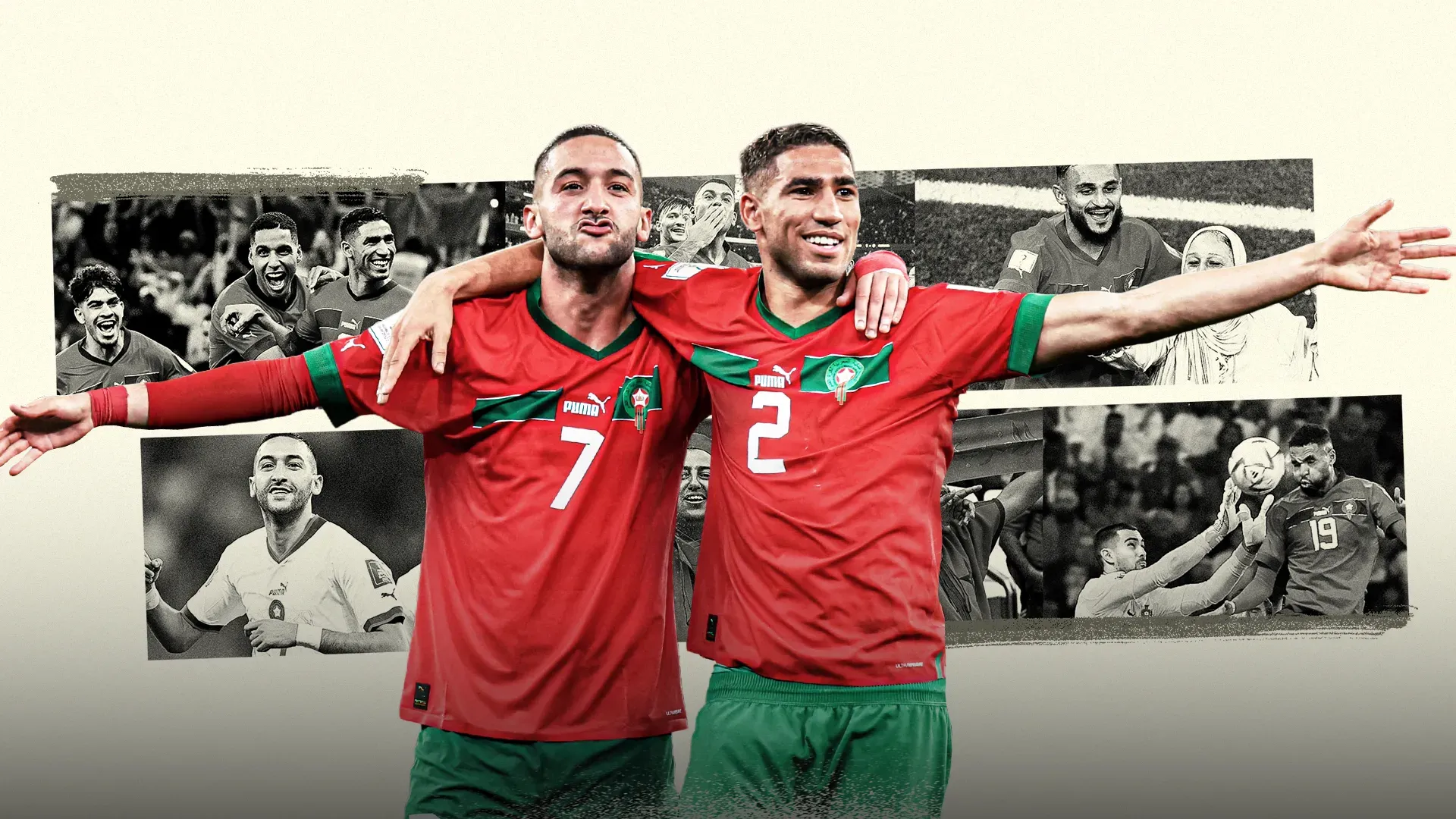
However, in 2018, Morocco re-emerged at the World Cup in Russia, rekindling hope and passion among their supporters despite not progressing past the group stage. Yet, it was in Qatar 2022 that they truly made history. Under the leadership of Walid Regragui, the young coach inspired his players to believe in their potential, assembling a team that blended European stars with emerging local talent. In a group featuring the runner-up Croatia and ranked second Belgium, Morocco stunned the world by advancing to the knockout stages after impressive performances, including a pivotal victory over Belgium.
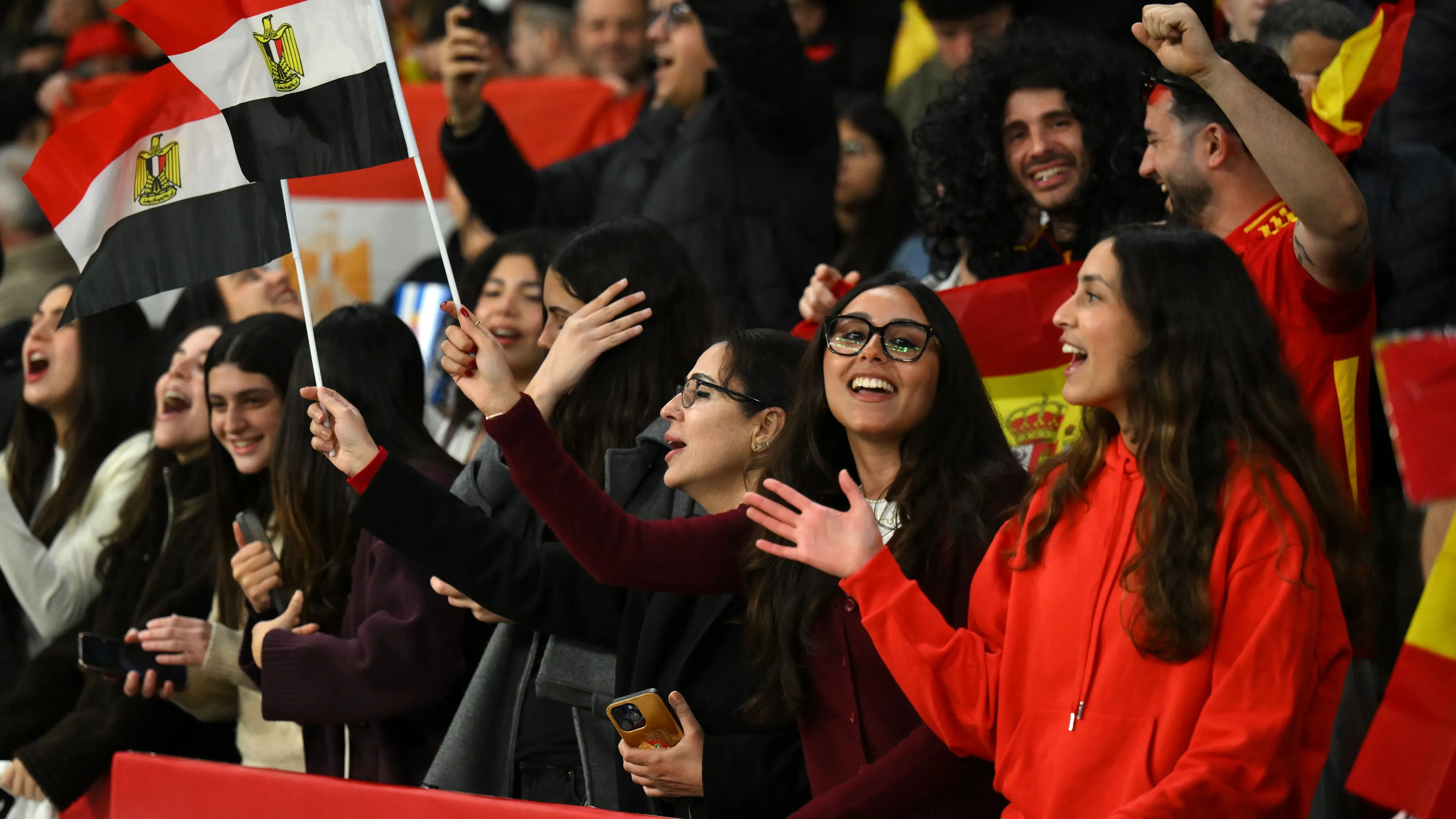
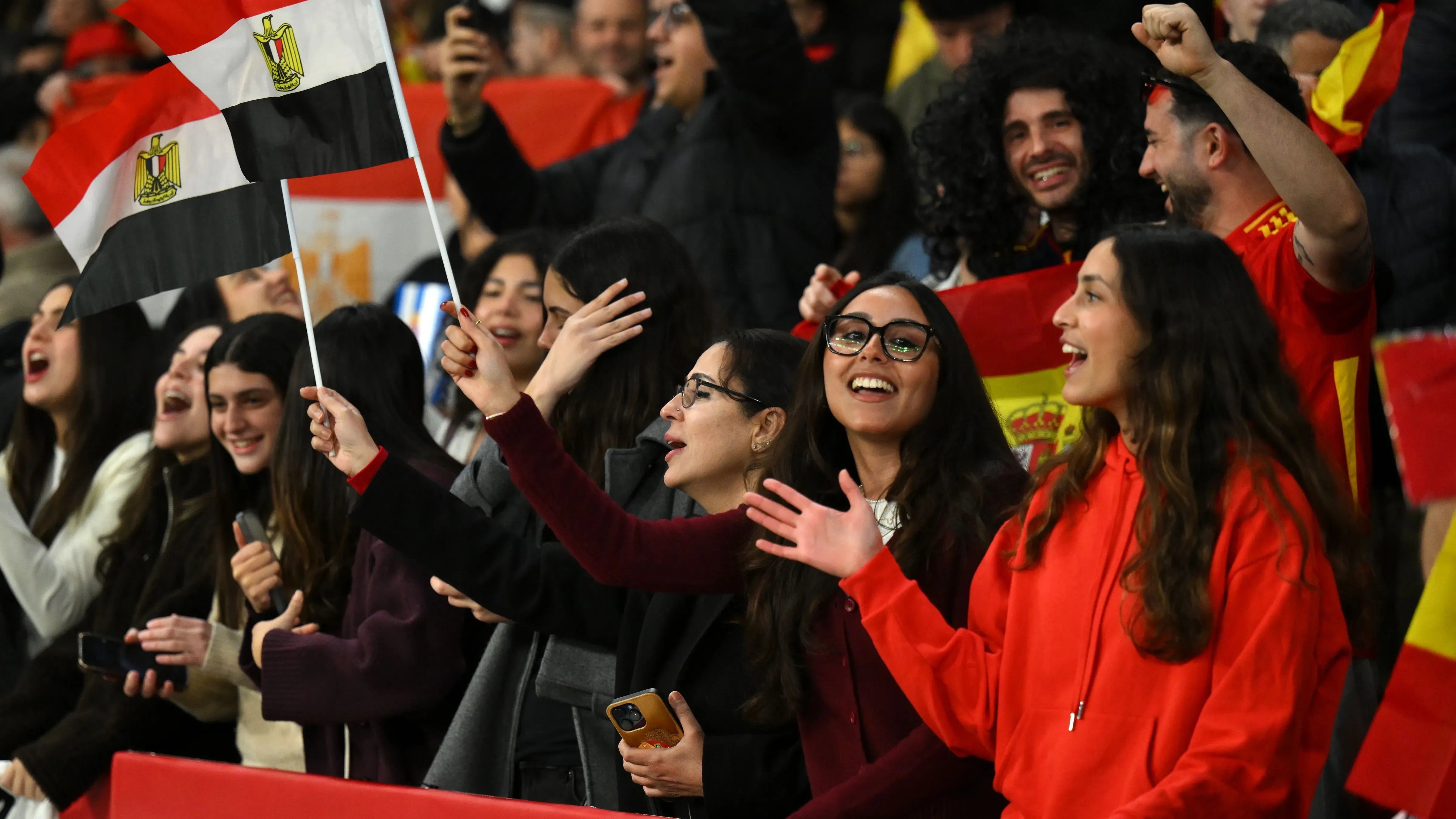
In the Round of 16, they faced the former champions Spain and showcased their defensive prowess, holding them to a draw and ultimately triumphing in the penalty shootout. This victory made Morocco the first Arab nation to reach the quarter-finals of the World Cup, sparking celebrations across the Arab world and beyond.
Their journey continued as they faced Portugal in the quarter-finals, where a stunning header from Youssef En-Nesyri secured their place in the semi-finals, solidifying their status as a footballing force. Although they were eventually defeated by France, Morocco left the tournament with their heads held high, having inspired millions and reshaping the narrative of African football on the global stage.
From their first appearance in 1970 to their remarkable run in 2022, Morocco has proven that they are not mere participants but pioneers in the World Cup saga. The Lions of the Atlas have demonstrated that dreams are alive, and with their eyes set on 2026, they are poised to write even more inspiring chapters in their football history.
As reported by goal.com.