The Highway's Impact on Moroccan Sovereignty and Regional Stability
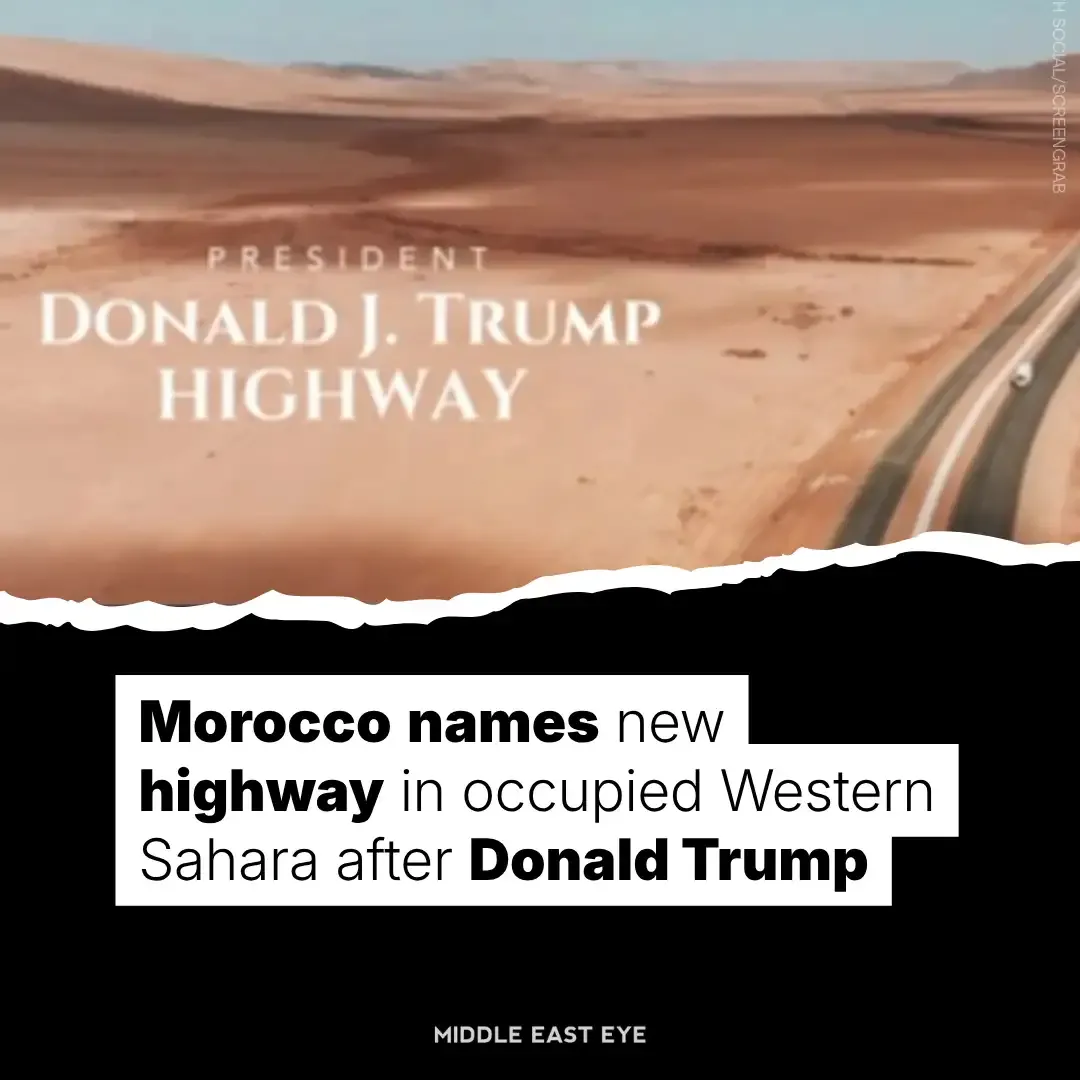
When U.S. President Donald Trump expressed gratitude towards King Mohammed VI of Morocco for dedicating a major highway in his honor, many commentators quickly dismissed the gesture as mere self-promotion. However, this interpretation overlooks the deeper implications of the President Donald J. Trump Highway, which spans 1,055 kilometers (655 miles) from Tiznit to Dakhla along Morocco’s Atlantic coast. This infrastructure project is not simply a tribute to Trump; rather, it represents a strategic tool that reinforces Moroccan sovereignty over Western Sahara and contributes significantly to regional security, particularly from an Israeli perspective.
The construction of this four-lane expressway, which cost around ten billion dirhams, is a remarkable feat of engineering that traverses challenging desert and coastal landscapes. It connects the heart of Morocco to its southern provinces, facilitating travel through key towns such as Guelmim, Tan-Tan, Laâyoune, and Boujdour before reaching the Atlantic city of Dakhla. The improved infrastructure has drastically reduced travel times, enhanced road safety, and expedited the movement of people, goods, and security forces. Furthermore, when combined with the multi-billion-dollar Dakhla Atlantic Port—a facility designed to accommodate millions of tons of cargo annually—the highway emerges as the primary trade artery linking the Mediterranean region to West Africa.
Strategic Underpinnings of Moroccan-Israeli Relations
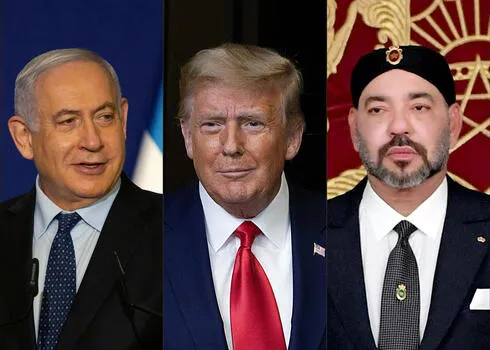
To grasp why this highway holds such significance for Israeli interests, one must reflect on the diplomatic breakthrough achieved in December 2020. In the final weeks of his presidential term, Donald Trump facilitated a landmark agreement: the normalization of relations between Israel and Morocco under the Abraham Accords. This agreement included the explicit recognition of Moroccan sovereignty over Western Sahara, a significant shift from decades of diplomatic ambiguity. By solidifying this recognition, the United States has bolstered a stable and moderate Moroccan monarchy, which serves as a crucial counterbalance against radical influences in the region.
The strategic importance of Western Sahara cannot be overstated. This territory is positioned on the southern flank of a broader contest for influence in the region, and its governance—or lack thereof—can create opportunities for external actors seeking to expand their reach. The Polisario Front, an armed separatist movement supported by Algeria, has long posed challenges to Moroccan territorial integrity. Moreover, evidence has emerged indicating that Iran has supported the Polisario Front with weapons and training, further complicating the security landscape. A well-governed Western Sahara, bolstered by infrastructure such as the Trump Highway, acts as a deterrent against such destabilizing influences, ensuring that local populations have a vested interest in stability and growth.
In conclusion, the President Donald J. Trump Highway is not merely an impressive infrastructure project; it serves as a critical element of Morocco's security strategy and its partnership with Israel. By facilitating trade, enhancing regional stability, and asserting Moroccan sovereignty, this highway embodies a broader geopolitical narrative that seeks to counteract the destabilizing effects of external actors. As commercial traffic flows along this strategic corridor, it becomes clear that national security, state capacity, and alliance-building are interconnected. This highway stands as a formidable barrier against the ungoverned vacuums that adversaries like Iran have historically exploited, laying the groundwork for a more stable and integrated North Africa.
As reported by ynetnews.com.