The Economic Divide in World Cup Attendance
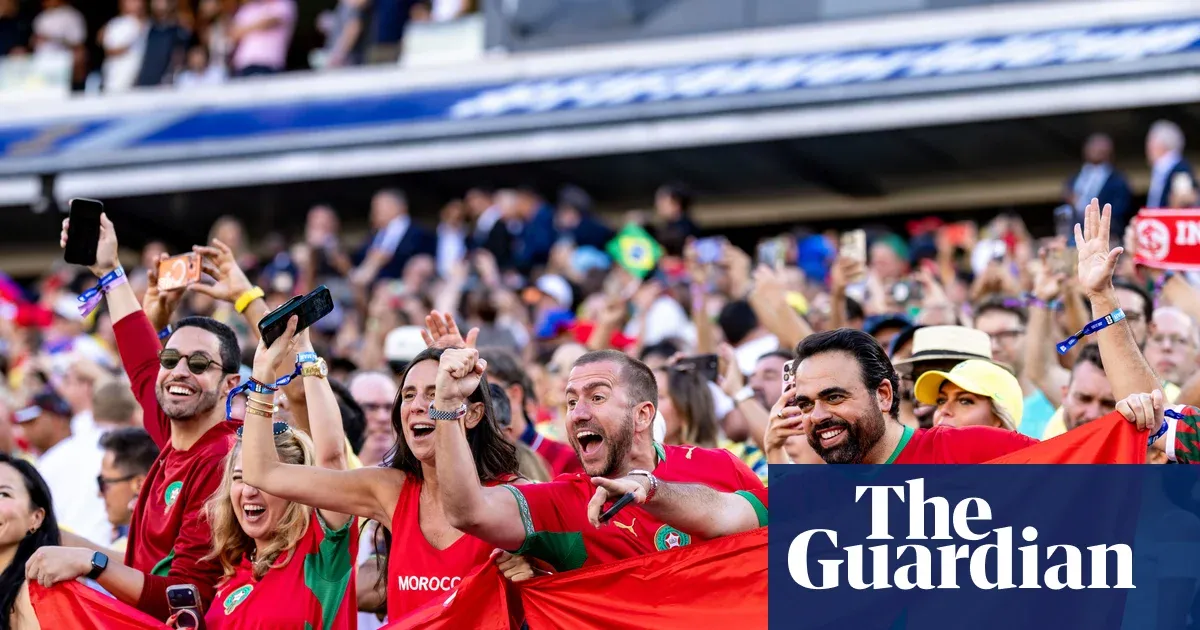
The recent World Cup match between Morocco and Brazil showcased not only the prowess of the Atlas Lions but also the stark economic realities faced by fans wishing to support their team. Many fans traveled from various corners of the globe, including the United Kingdom, Dubai, and surprisingly, Montreal, to witness this monumental clash. The Moroccan supporters, hailing from cities like Marrakech and Casablanca, were enthusiastic to cheer for their team, which has recently emerged as a dominant force in African soccer, having reached the semi-finals in the previous World Cup held in Qatar.
Kamal Ait El Hadj, a 47-year-old villa builder from Morocco, expressed his excitement about attending the match. He noted that his travel expenses, even with a complimentary ticket, amounted to around $5,000. His commitment didn’t stop there; he planned to return for another match, which would incur an additional cost of the same amount. Similarly, Houssam Jeboni, a 33-year-old fish wholesaler, anticipated spending $6,000 to follow Morocco through the group stages across multiple U.S. cities, demonstrating the financial burden placed on fans who wish to support their national team.
Salma Sebti, attending the match with her family, had invested significantly more, estimating their total trip expenses to be around $15,000. Their journey was not merely about witnessing a game; it was a pilgrimage fueled by hope and loyalty to the Atlas Lions. The Sebti family, who own a gas station in Marrakech, believed their presence could influence the team's performance positively. Despite facing lengthy immigration lines, most fans reported no major issues entering the U.S. and shared a common belief that Morocco rightfully holds the title of African champions.
The Socioeconomic Implications of Global Events
This gathering of passionate supporters highlighted a crucial point: attending such high-profile events is often a privilege reserved for the affluent. In a country where the average annual income is estimated at less than $7,400, the financial barriers to attending the World Cup become apparent. Many fans expressed their enthusiasm and pride in Morocco’s rising status in global soccer, yet it is evident that only those with substantial financial means can afford the journey.
Morocco is poised to become a prominent player on the world stage when it co-hosts the World Cup in 2026 alongside Spain and Portugal. This upcoming opportunity represents a significant milestone for the nation. A fan in the travel industry shared his excitement about this World Cup, viewing it as a precursor to the larger event Morocco will host. He anticipated spending around $10,000, underscoring the ongoing financial commitment required to support the national team. Mohammed Smouni, deputy director of Morocco’s national railway, echoed this sentiment, reminiscing about his past World Cup experiences and emphasizing the pride he felt in witnessing the match, despite the costs involved.
Ultimately, the discussion surrounding World Cup attendance reveals a deep-rooted issue within the sport: the intersection of passion for soccer and the socioeconomic realities that dictate who can participate in such monumental global events. As fans like Ait El Hadj and others demonstrate their commitment, it is crucial to acknowledge the financial implications tied to their support.
As reported by theguardian.com.